




















What Makes AI Short-Form Videos Go Viral
AI is one of the most contested and curiosity-driven niches on short-form video, and the top performers share a clear throughline: they make abstract technology feel personally urgent. Whether the angle is ethical, experimental, or practical, the videos that rack up millions of views treat AI not as a tool but as a force that is actively reshaping power, identity, and daily life. Creators who win here are translators, converting dense systemic shifts into visceral, human-scale moments.
The Provocative Question Hook Dominates the Top Tier
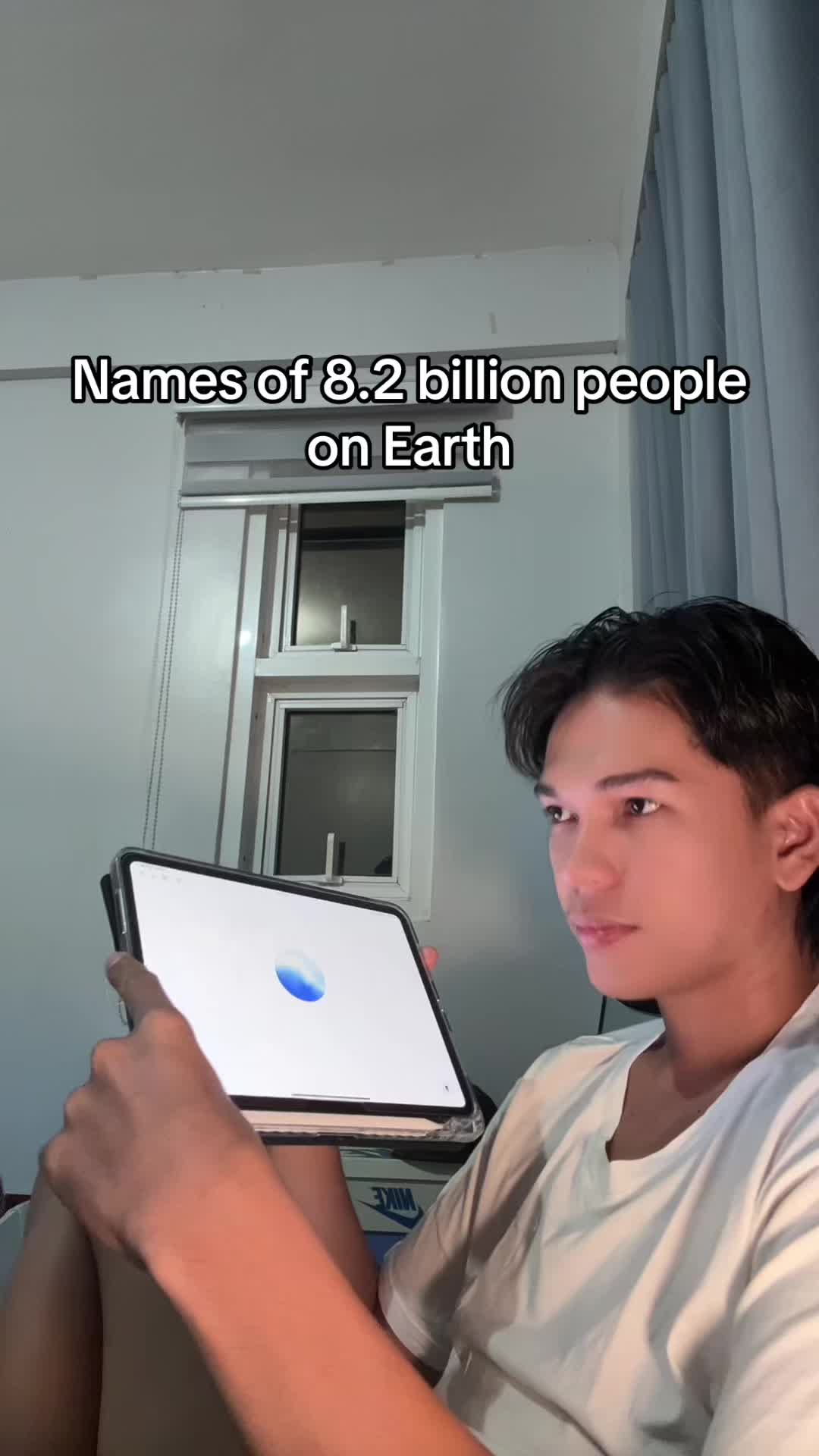
The highest-performing videos open with a pointed rhetorical or philosophical question, then immediately subvert the expected answer to create tension. Rather than letting the question hang, the creator answers it fast and pivots to the deeper, more unsettling layer underneath. This two-beat structure, a surface answer followed by a harder question, pulls viewers in because it signals that the creator has thought further ahead than the audience has. The most powerful version of this hook reframes who or what is really at stake, shifting from the technology itself to the humans and institutions controlling it.
Physical and Visual Proof Beats Explanation Every Time
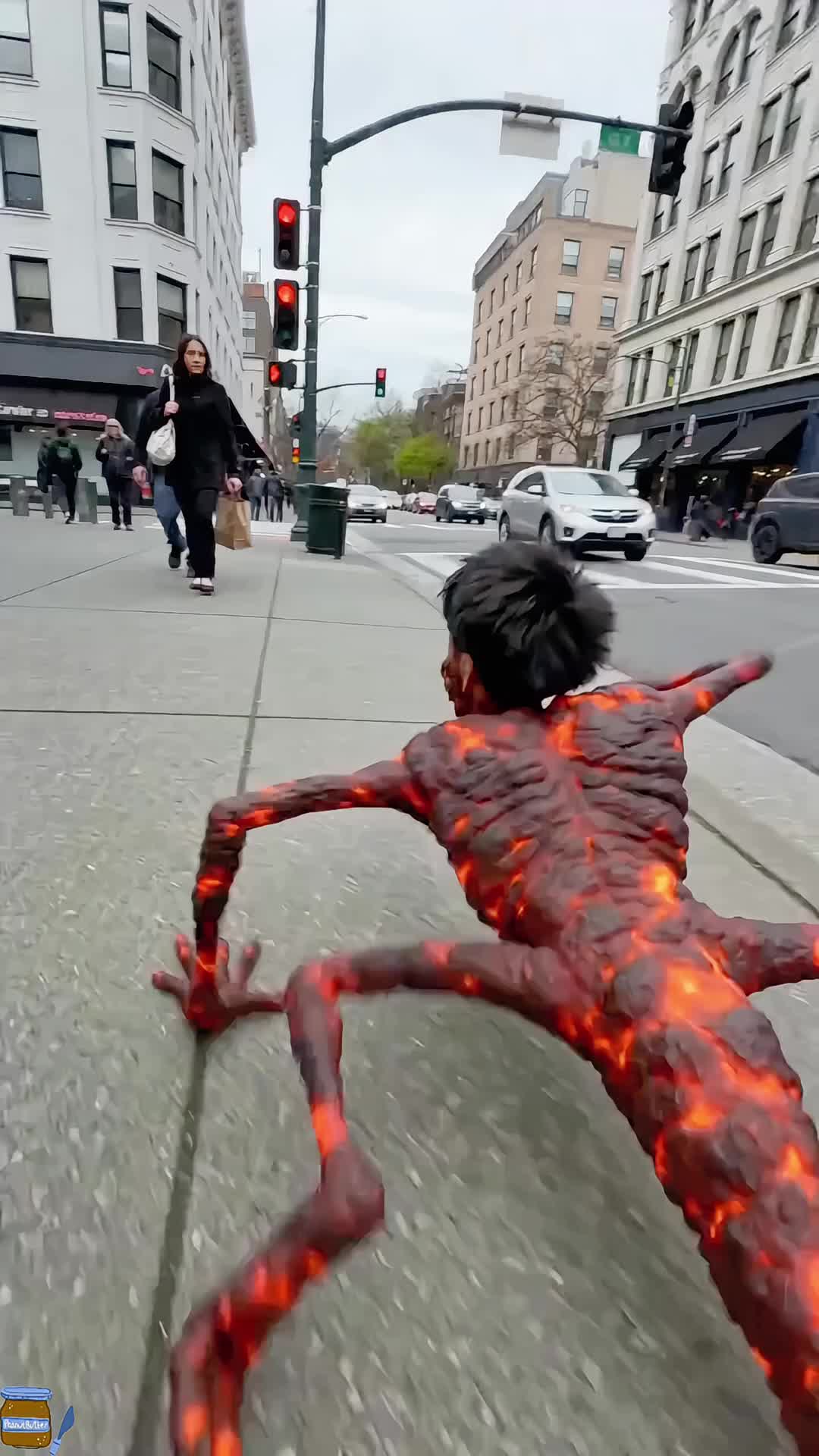
The second highest-viewed video in this set works because it shows AI doing something in the real, tangible world rather than describing what AI can do in theory. Giving AI a physical form, a machine it had never encountered before, turns an abstract capability into a dramatic experiment the viewer can watch unfold. Short-form AI content that pairs a bold claim with visible, real-time evidence consistently outperforms content that relies on screen recordings or talking-head commentary alone. The lesson is simple: if you can show the thing happening, show it.
Simulated Society and Scale Framings Create Emotional Stakes
Videos that zoom out from individual AI use cases to systemic or civilizational scale, such as AI running an entire simulated society, tap into a primal curiosity about what happens when human rules are removed. This format works because it transforms AI from a productivity tool into a character in a story, complete with emergent behavior the viewer did not predict. The emotional hook is not fear or hype but genuine narrative suspense, and that is rare enough in the niche to stand out sharply. Creators who frame AI experiments as living stories rather than product demos consistently earn longer watch times.
Privacy and Power Angles Drive High-Intent Sharing
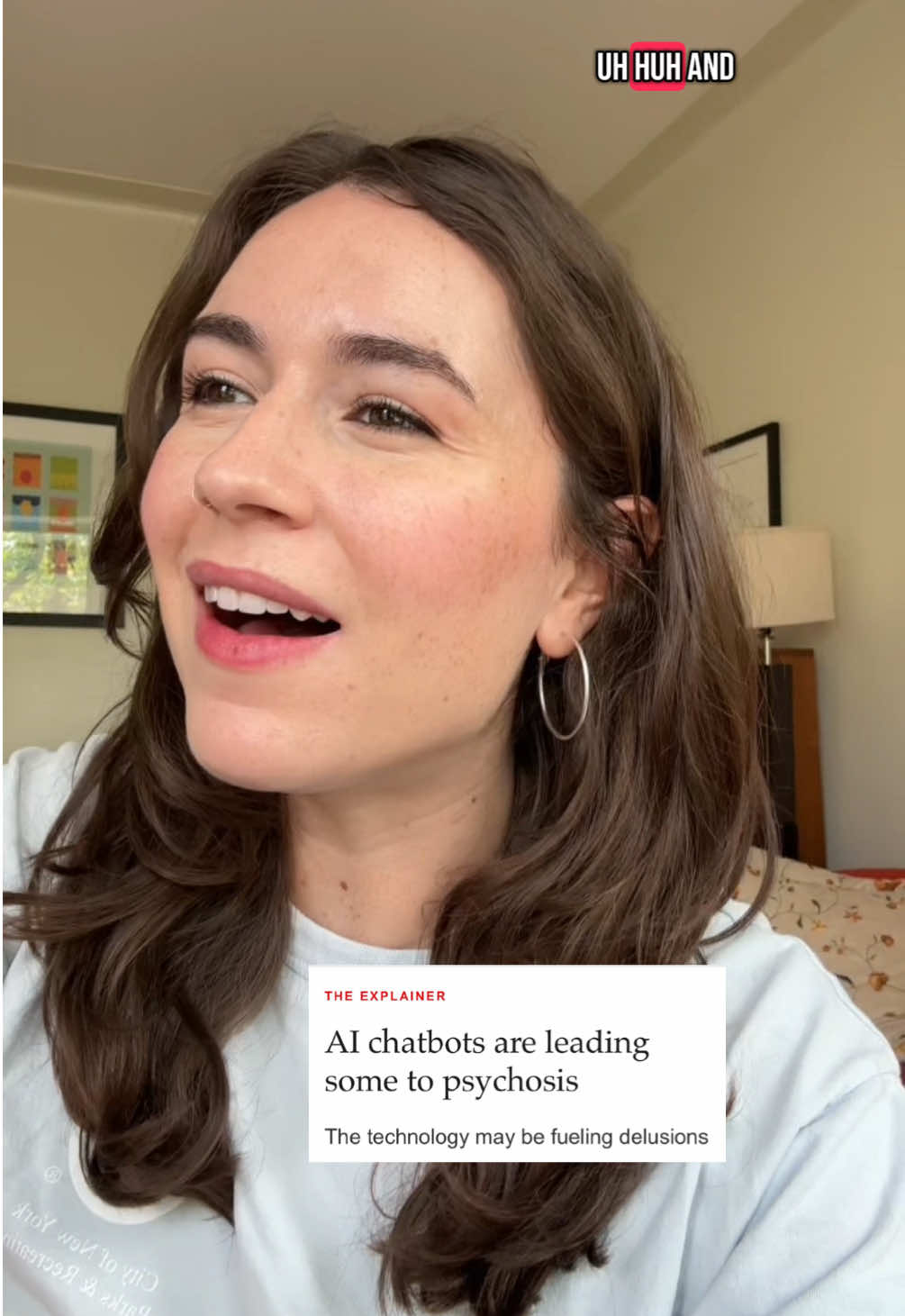
Several mid-tier performers in this set anchor their content around surveillance, data collection, and who actually benefits from AI systems, and these videos punch well above their follower-count weight in shares. Audiences share this content not because it is entertaining but because it feels like a warning they want to pass on, which changes the distribution mechanic entirely. Interviewing or interacting with an AI system directly about its own implications adds a layer of irony and credibility that a straightforward explainer cannot match. This format positions the creator as an investigative journalist rather than a tech enthusiast, which builds a distinctly more loyal audience.
Practical Utility Content Has a Low Ceiling Without a Story
The lowest-performing videos in the set tend to be the most straightforwardly practical, offering tips, cheat sheets, or how-to framing without an emotional or narrative hook beneath them. While engagement bait tactics like comment-to-receive offers do generate interaction, they do not produce the organic view velocity that the question-led or experiment-led formats achieve. Practical AI content performs best when it is wrapped inside a transformation story or a surprising discovery, not when it leads with the utility itself. Creators who lead with curiosity and land on usefulness consistently outperform those who do the reverse.
Analysis generated by Reelyze from 9 top-performing ai videos.