


What Makes Coding Tutorial Short-Form Videos Go Viral
Coding tutorial short-form videos succeed when they collapse the perceived distance between a viewer and the skill, either by making coding feel urgently accessible to beginners or by surfacing a surprising, visual payoff that makes the craft feel like magic. The highest outliers in this niche are not the most technically rigorous videos; they are the ones that solve an emotional barrier, spark curiosity, or deliver a wow moment in the first two seconds. Creators who treat the format as a teaser or a reframe of conventional wisdom consistently outperform those who lead with curriculum.
The Zero-to-One Hook Dominates the Top of the Chart
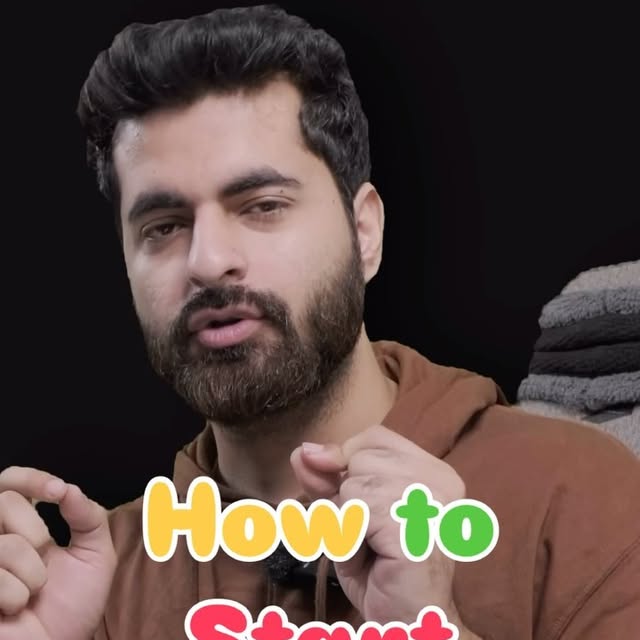
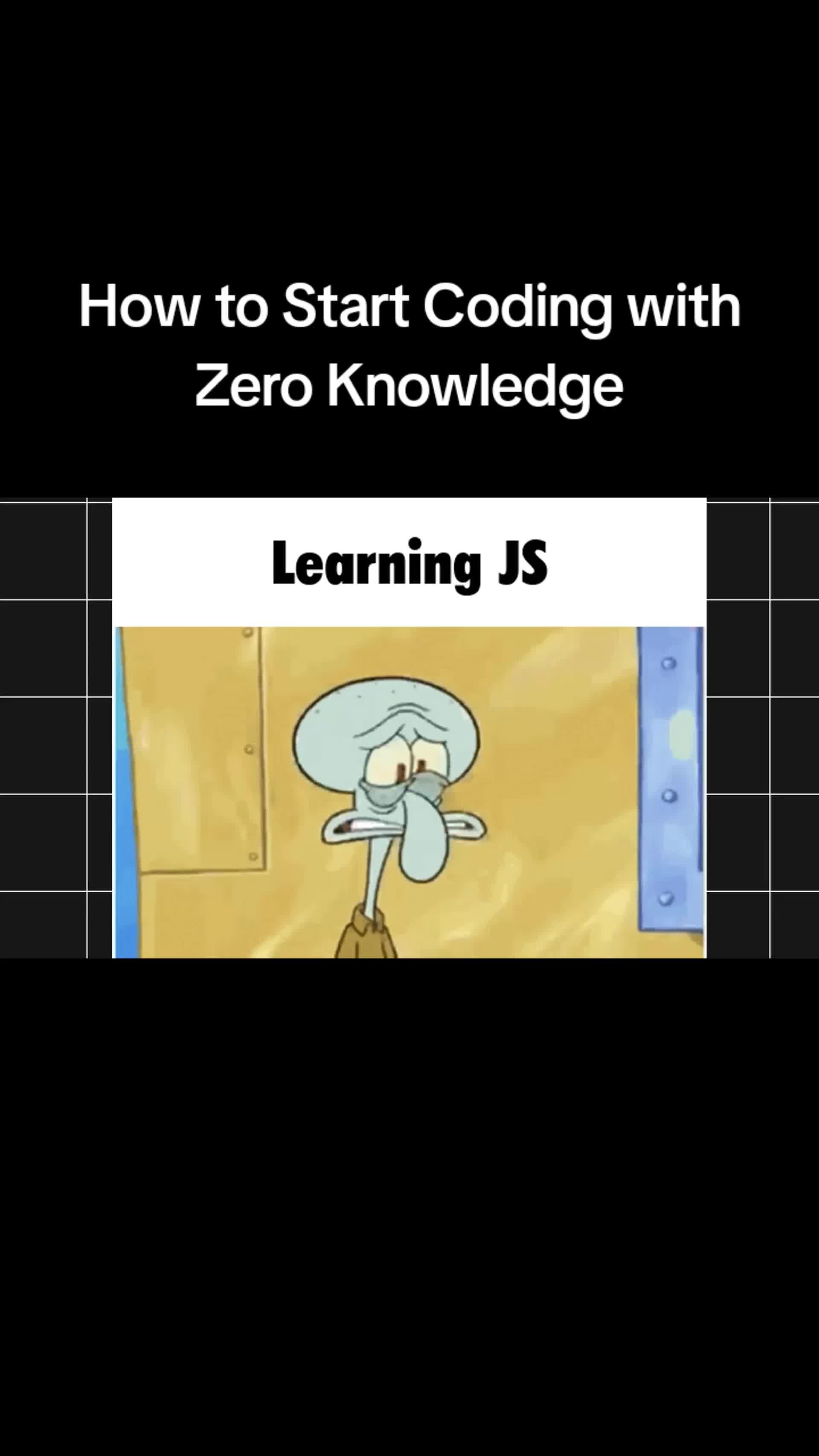
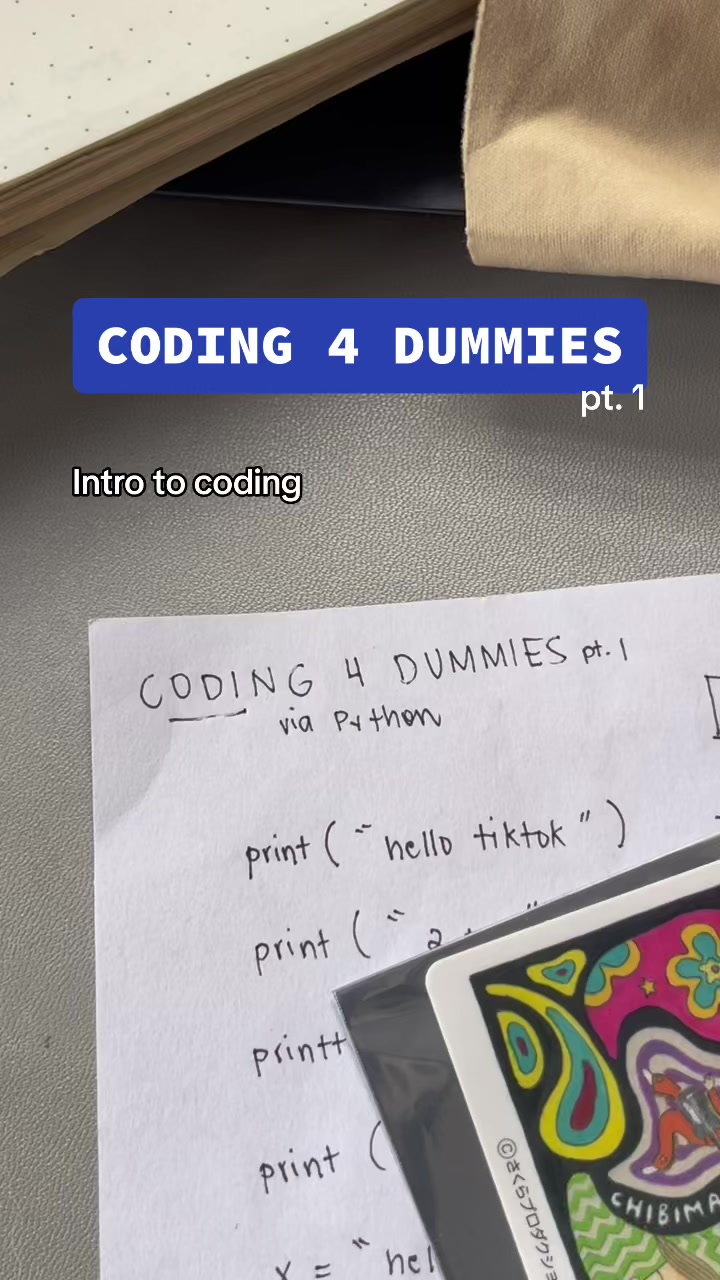
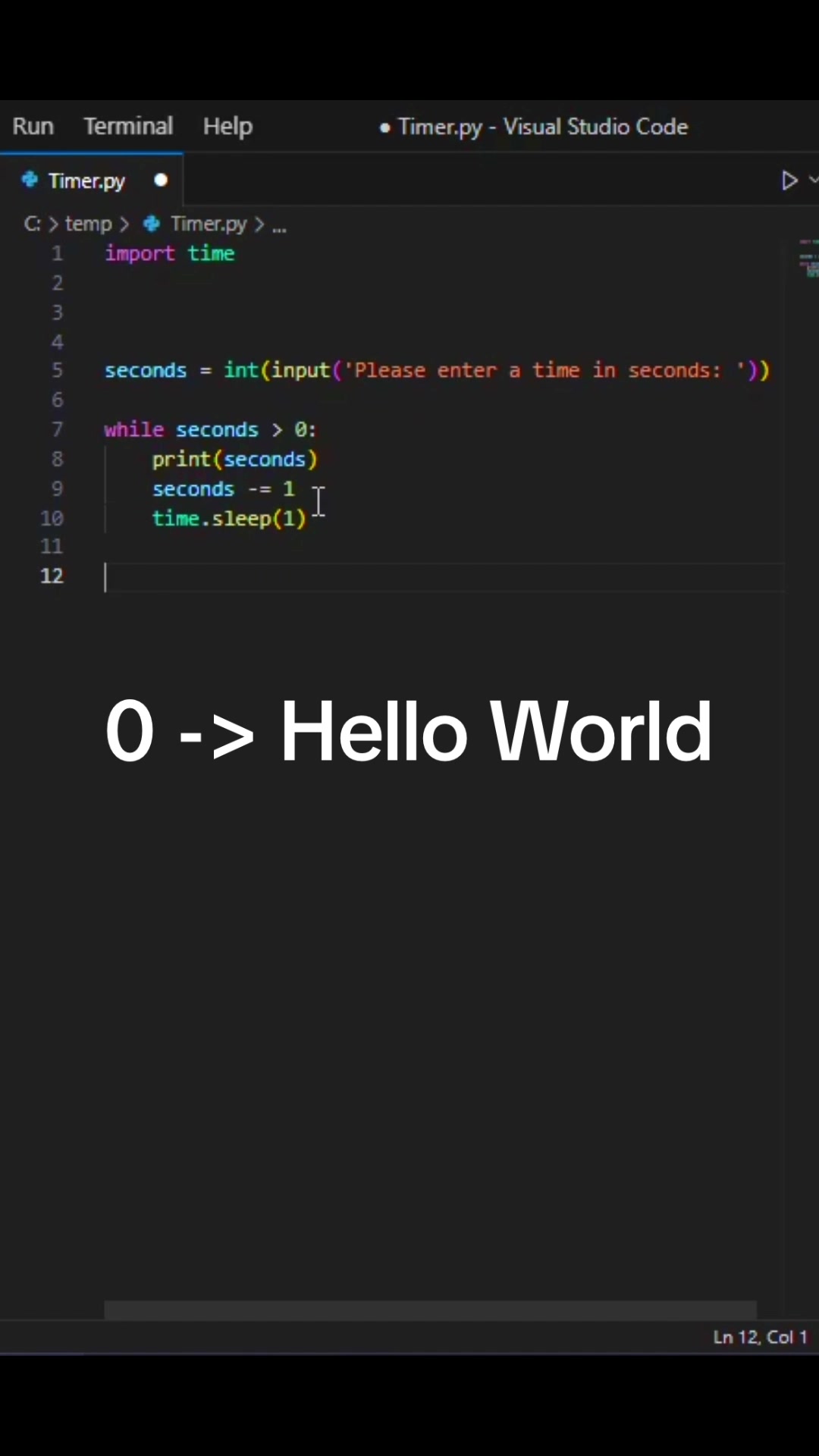
The single most powerful hook pattern in this niche is addressing the viewer who has absolutely no prior experience, framing coding as something they can start right now with zero background. Videos that open by explicitly naming the beginner's fear of not knowing where to start generate massive reach because they speak to the largest possible audience segment. This hook works because it is inclusive rather than gatekeeping; it does not assume any vocabulary, tool familiarity, or educational background. Creators who pair this hook with a confident, simple numbered framework in the body of the video see the strongest completion rates and saves.
Emotional and Personal Narrative Outperforms Pure Instruction
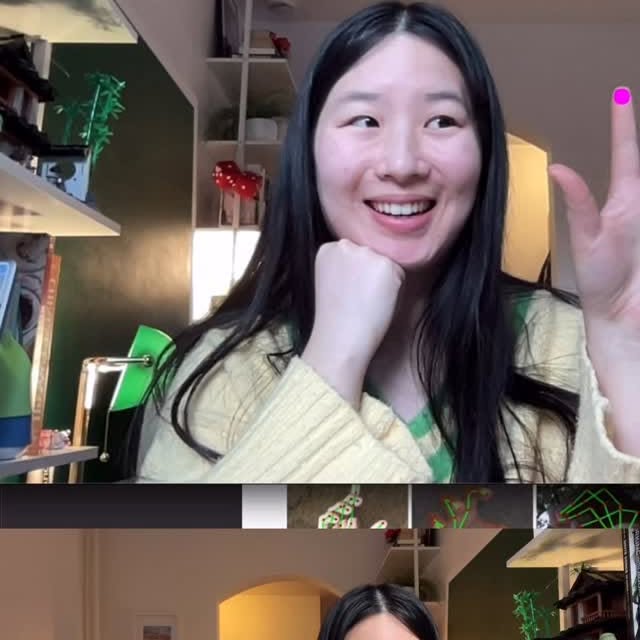
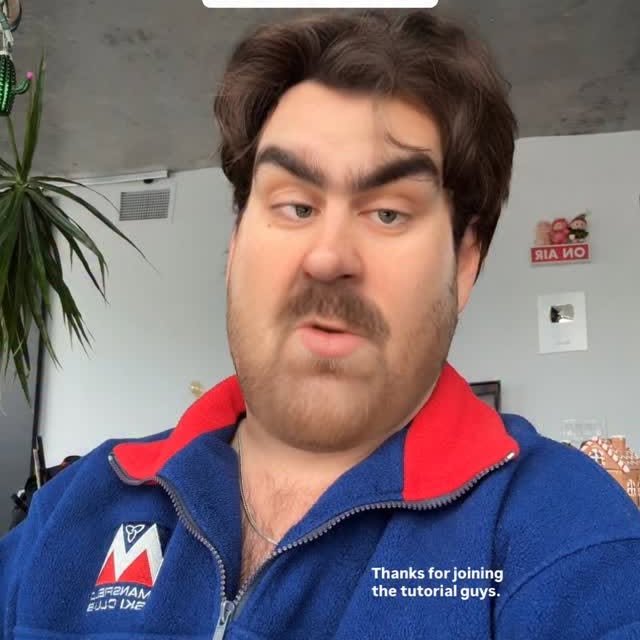
The highest raw view count in this dataset belongs to a video rooted in personal gratitude and backstory rather than a single line of code. Videos that anchor a coding concept inside a human story, such as a mentor relationship, an unconventional educational path, or a career turning point, tap into emotional shareability that pure tutorial content cannot match. This pattern suggests that the algorithm rewards videos people send to someone else, and personal narratives are far more share-worthy than step-by-step syntax walkthroughs. Creators who open with a vulnerable or relatable personal moment before pivoting to a coding insight consistently punch above their subscriber weight.
Visual Payoff and the Wow-Factor Format
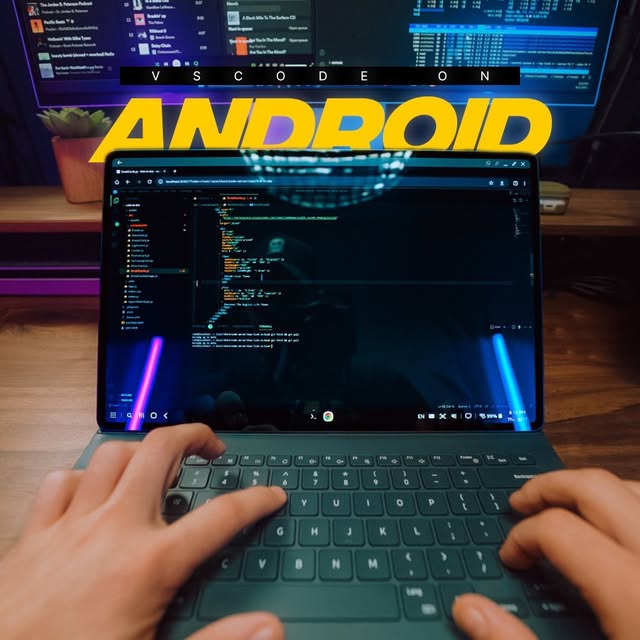
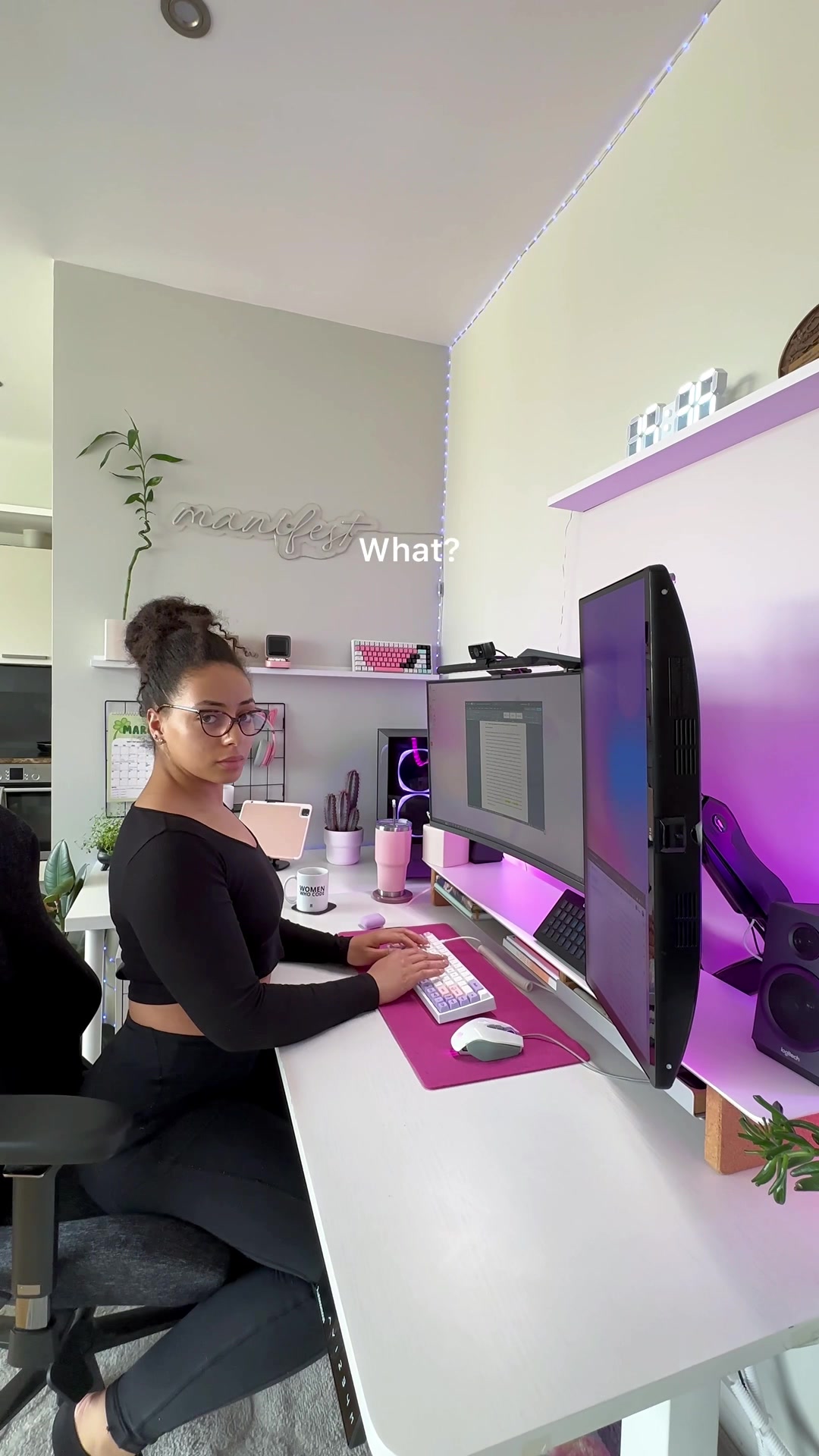
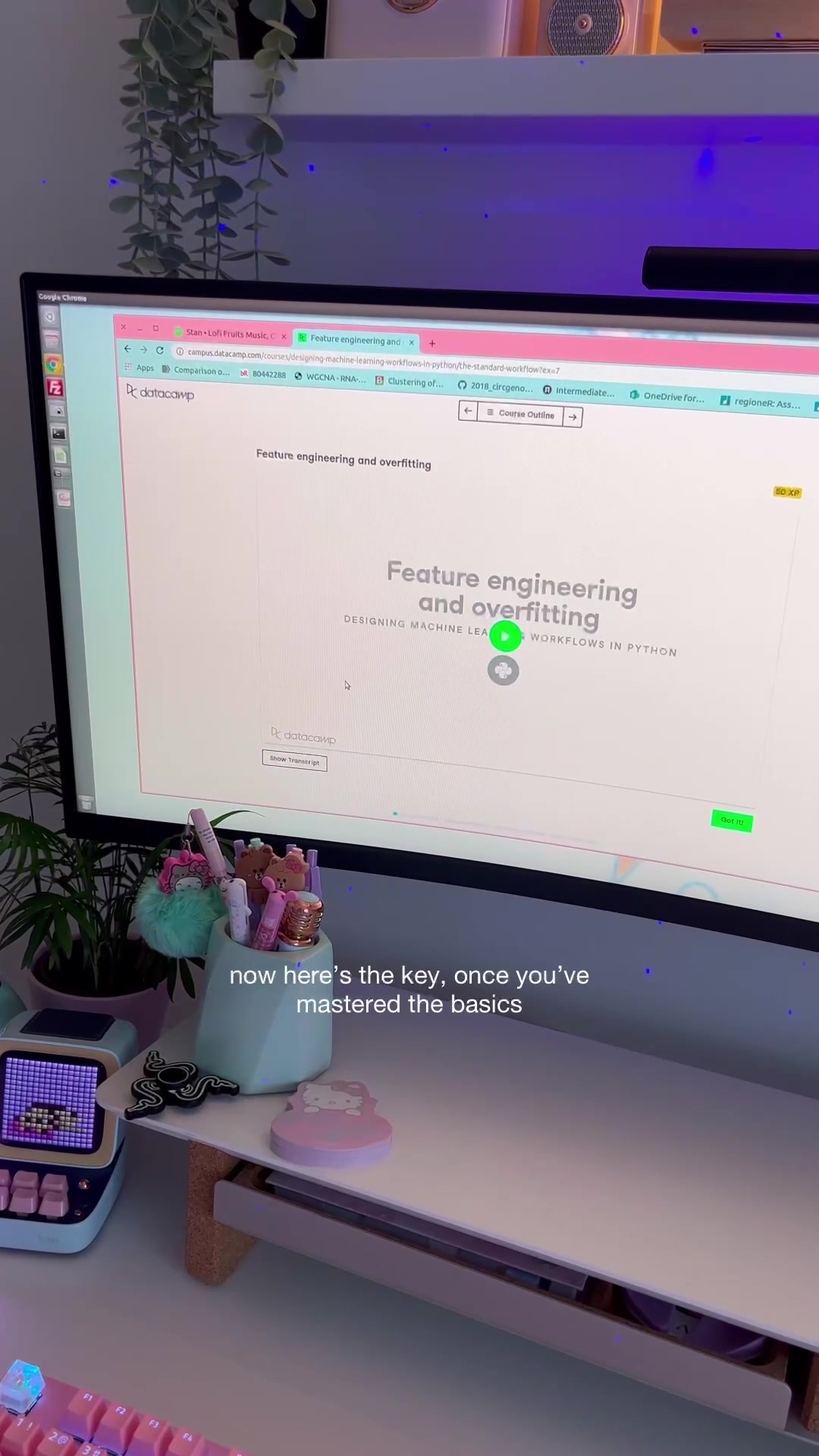
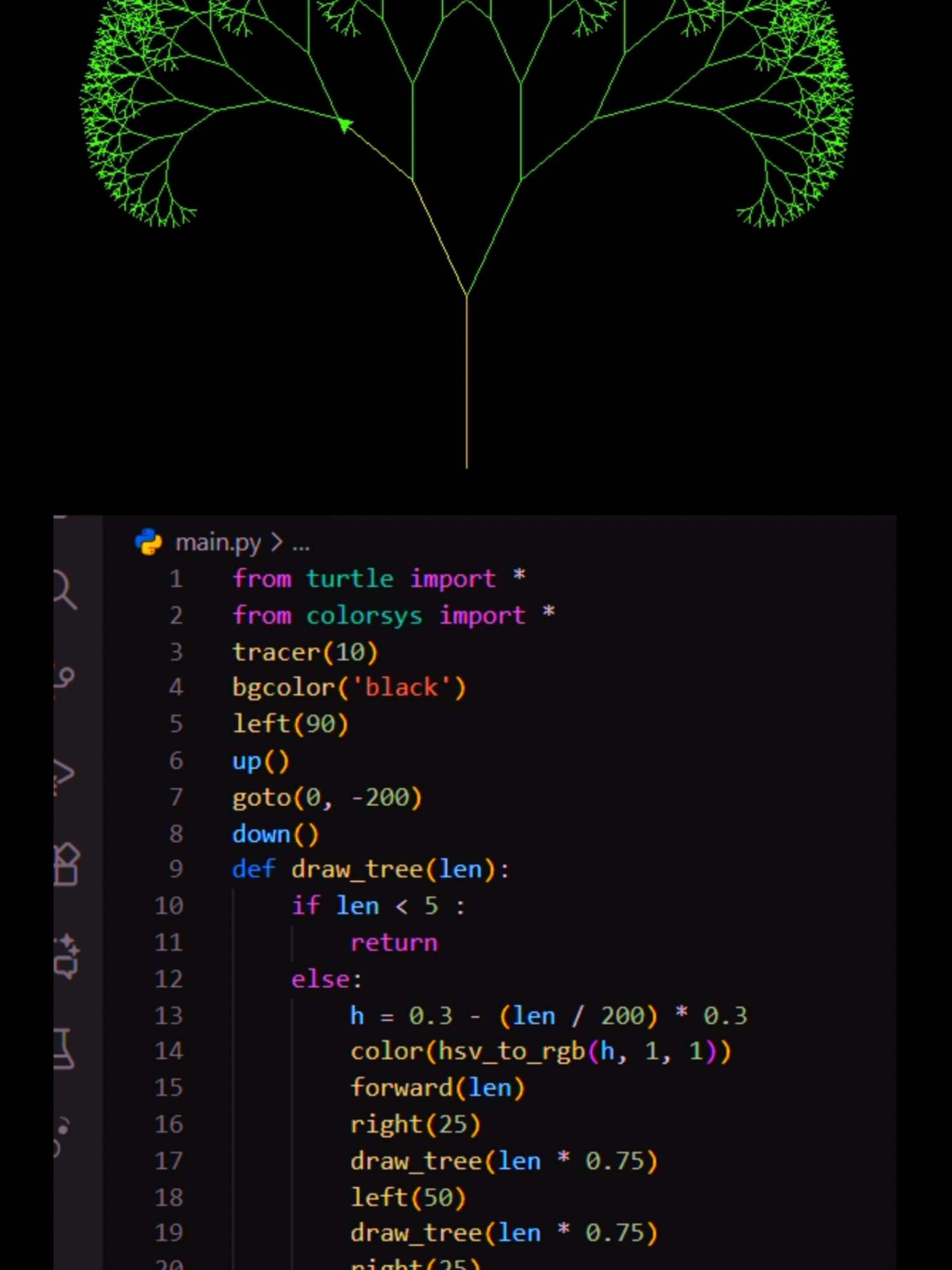
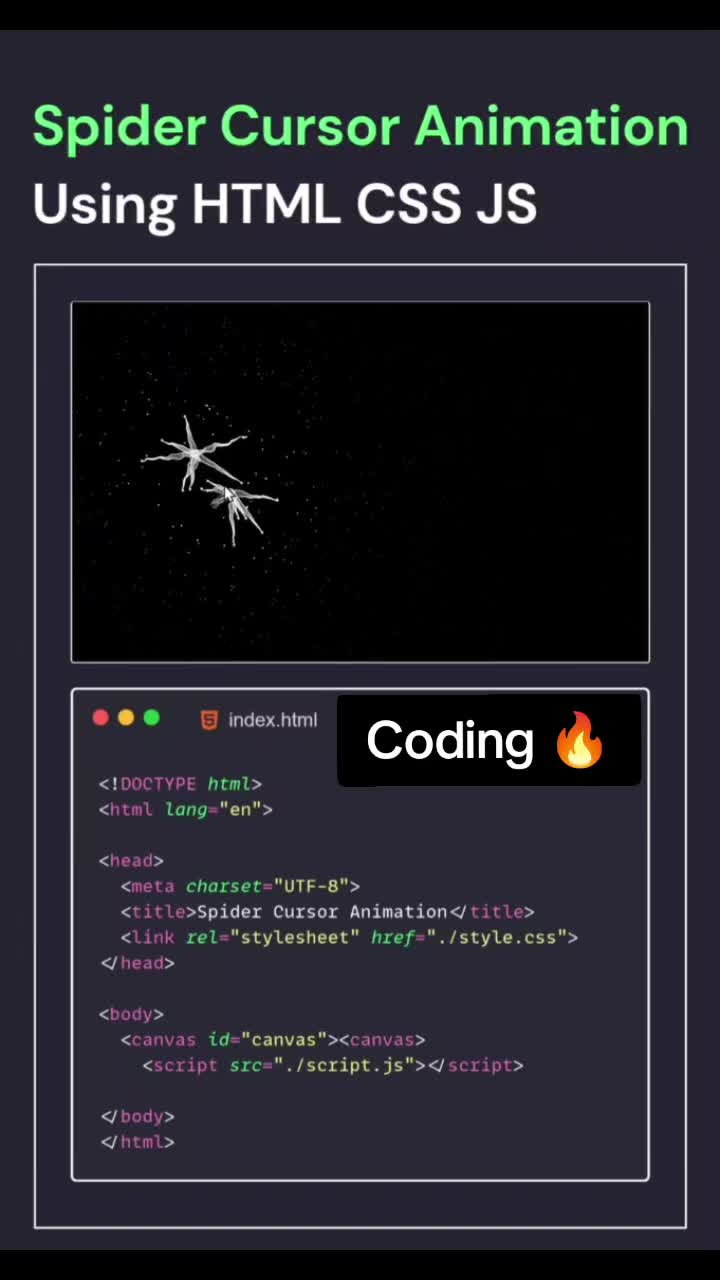
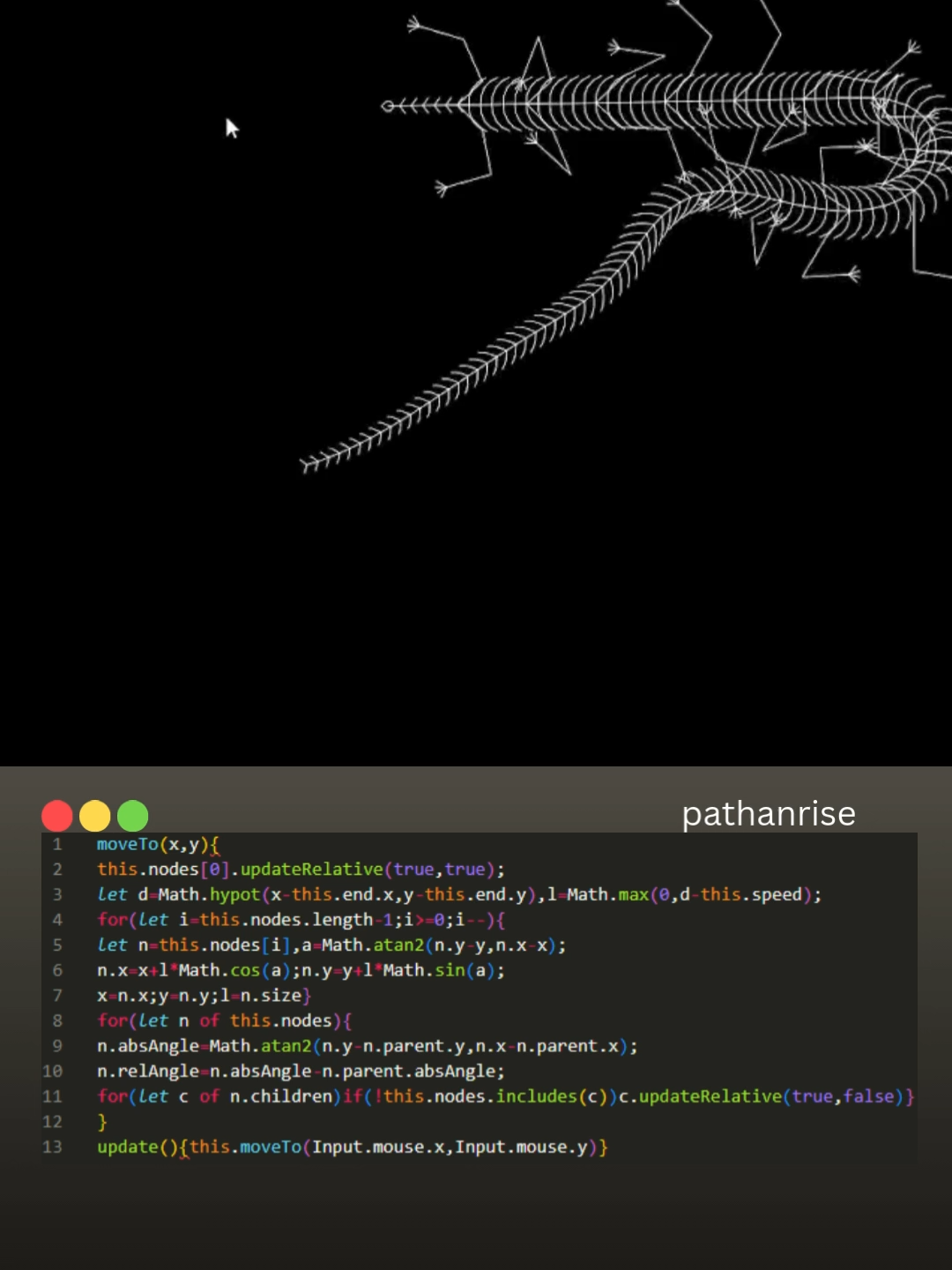
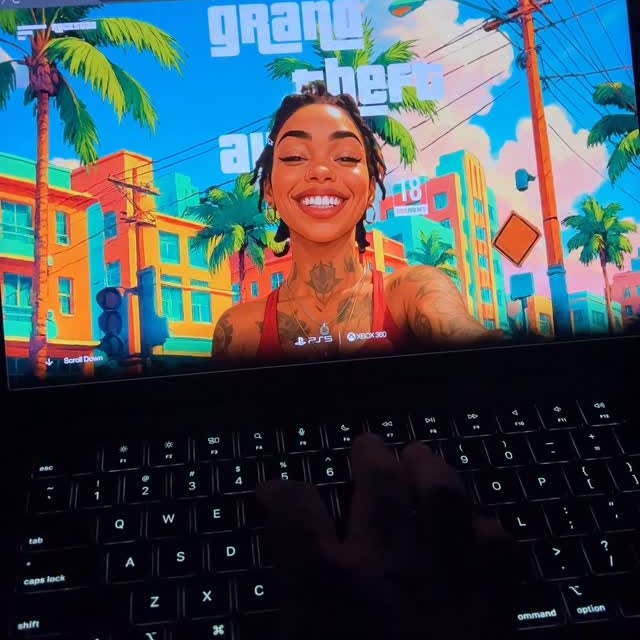
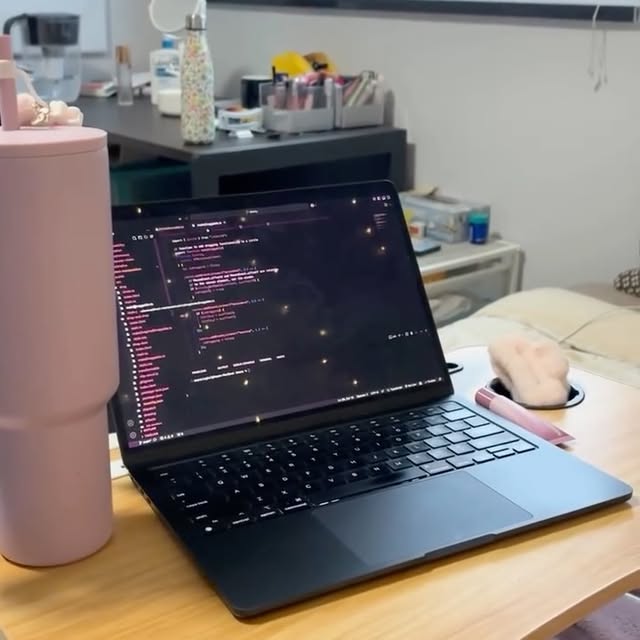
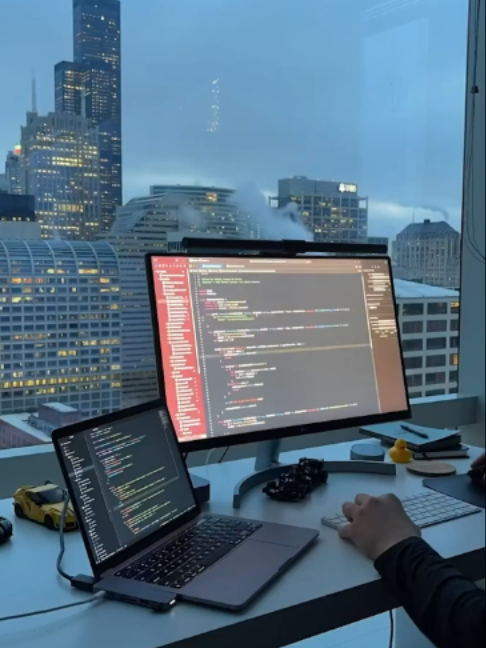
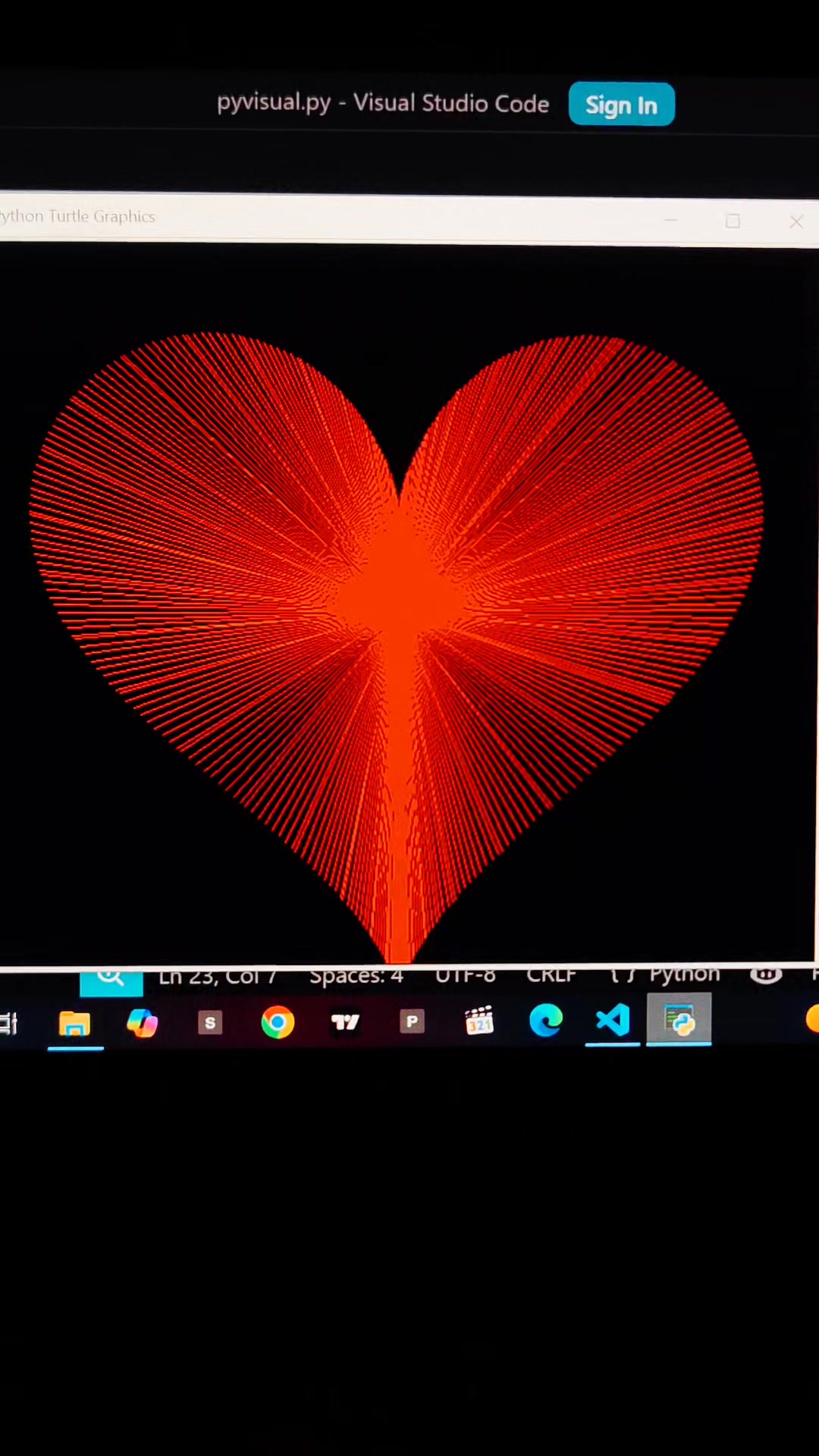
A reliable mid-tier outlier pattern is the visual demo hook, where the video opens on something that looks impossible or unexpectedly beautiful, such as an interactive cursor animation, a motion-tracked object, or a festive graphic drawn with a few lines of code. The implicit promise is that the viewer can reproduce this result, and the gap between the impressive output and the short runtime of the video creates irresistible curiosity. This format benefits enormously from niche-crossover appeal; a spider animation or a pink-themed IDE setup pulls in design, gaming, and pop-culture audiences who would never search for a coding tutorial directly. The best performers in this format keep the code secondary to the spectacle.
Contrarian Career Advice Drives Saves and Comments
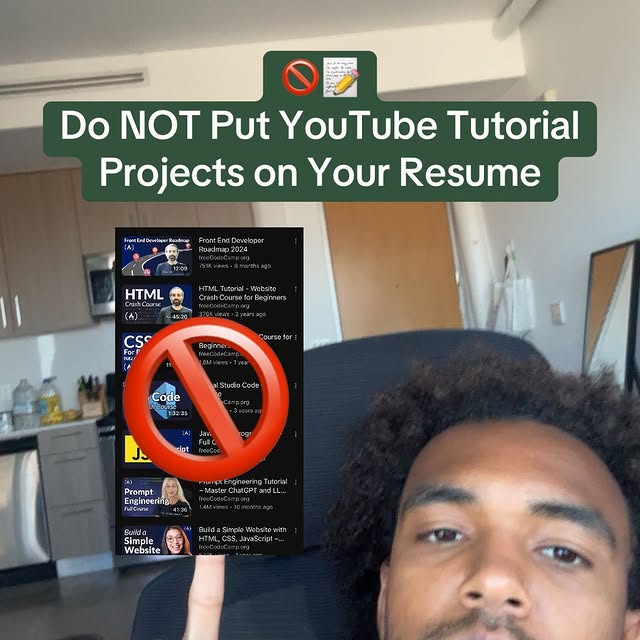
Videos that challenge a commonly accepted practice in the coding community, such as the advice around what projects to put on a resume, generate outsized engagement through disagreement and debate in the comments. This format works because it gives experienced developers a reason to engage alongside beginners, broadening the comment section and boosting the video algorithmically. The key structural move is to state the contrarian position as a warning or a mistake in the very first sentence, before any context is given, so the viewer is immediately on the defensive and compelled to watch for the resolution. Creators who follow this pattern with a practical, actionable alternative rather than just criticism earn the highest save rates.
Serialization and the Completionist Effect
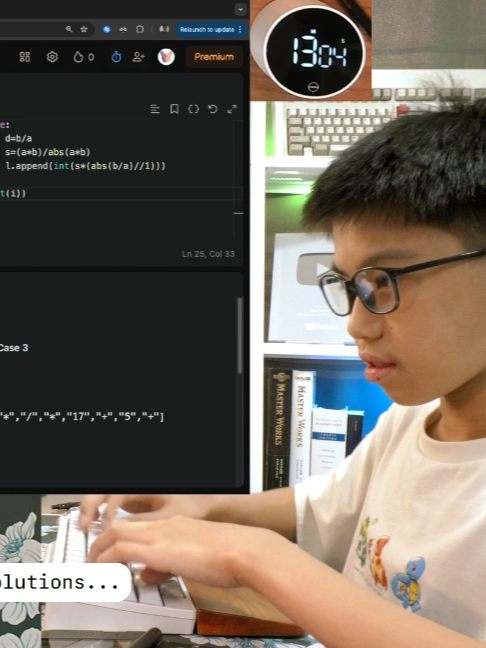
Numbered series formats, whether a 30-part syntax course, a multi-step beginner roadmap, or a recurring study-with-me series, create a compulsive return behavior that inflates total channel views over time even when individual episode view counts appear modest. The outlier multiples for serialized content in this dataset are lower per video, but the format builds a loyal subscriber base that compounds. Short-form serialization works best when each episode delivers one complete micro-win, so the viewer feels satisfied but is also aware they are missing adjacent episodes. Creators who use consistent episode numbering, recurring visual templates, and a predictable posting cadence see the strongest series-level retention.
Analysis generated by Reelyze from 20 top-performing coding tutorial videos.