














What Makes Productivity Short-Form Videos Go Viral
Productivity content on short-form video thrives at the intersection of aspiration and relatability, pulling viewers in with either a bold promise or an honest slice of real life. The top performers in this niche range from ultra-minimal single-phrase hooks to richly aesthetic routine vlogs, suggesting that the format matters less than the emotional trigger it activates. Curiosity, identity, and self-improvement anxiety are the three core engines driving outsized engagement in this space.
The Two Hook Archetypes That Dominate
The highest-outlier videos in this niche use one of two opposite hook strategies: extreme brevity that forces the viewer to fill in the gap (a two-word caption with a massive view count is a clear example), or hyper-specific lifestyle framing that makes the viewer feel seen before they even press play. Vague but loaded language like 'terrifying' paired with a productivity context creates a tension gap the brain needs to resolve. Both approaches weaponize curiosity, just from different angles: one through minimalism, one through hyper-personal detail.
Lifestyle Wrapping as a Trojan Horse
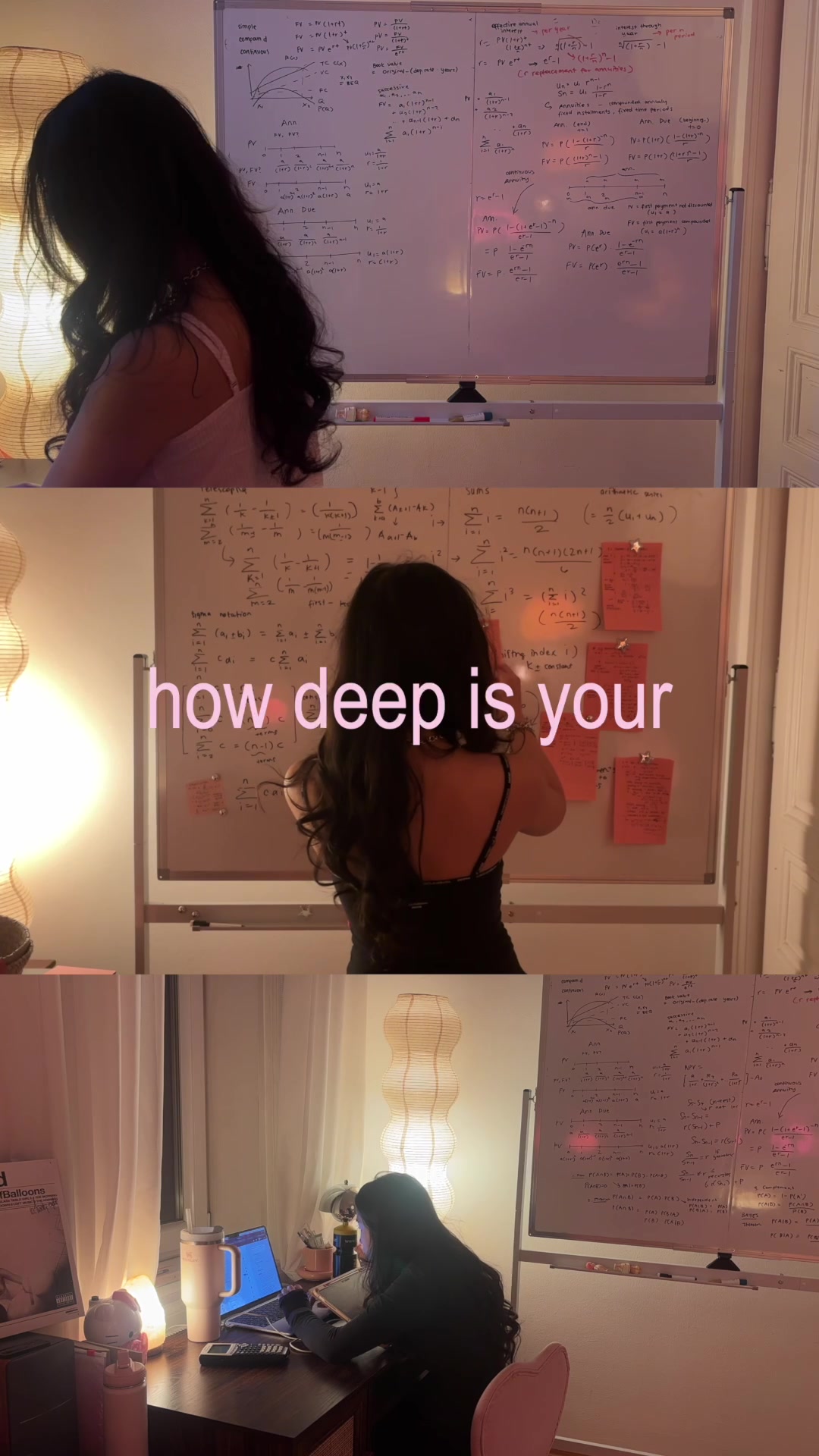
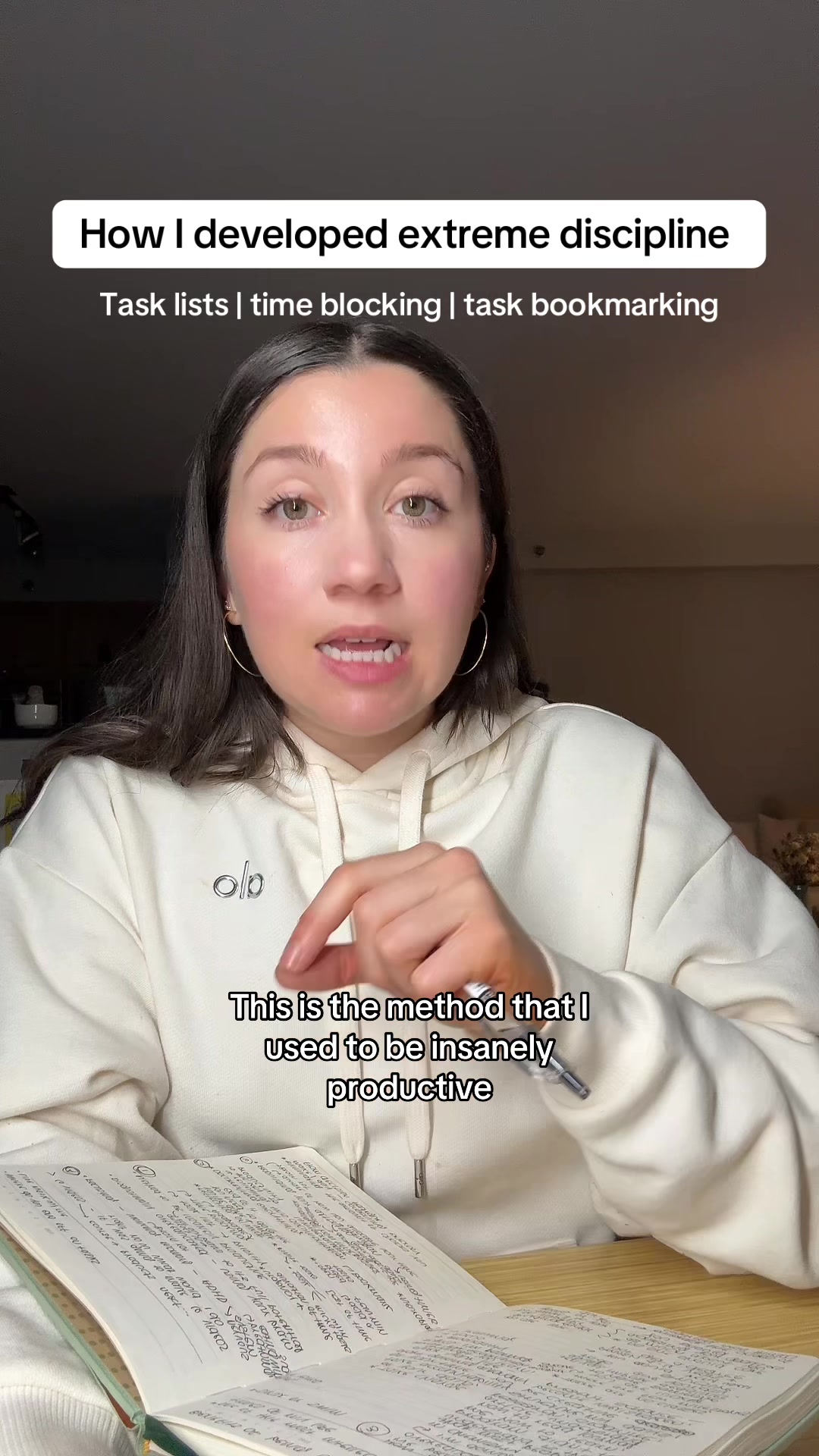
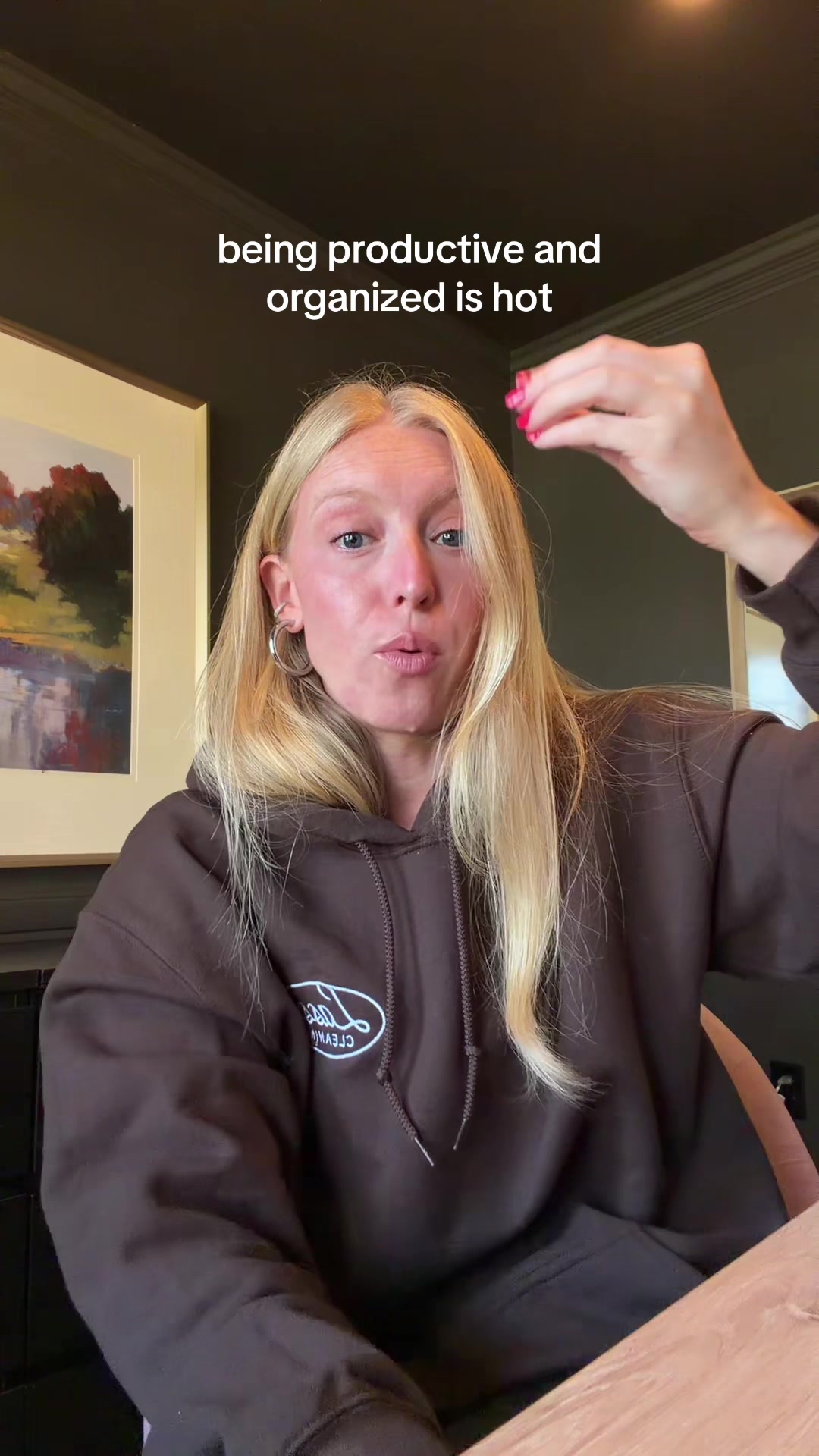
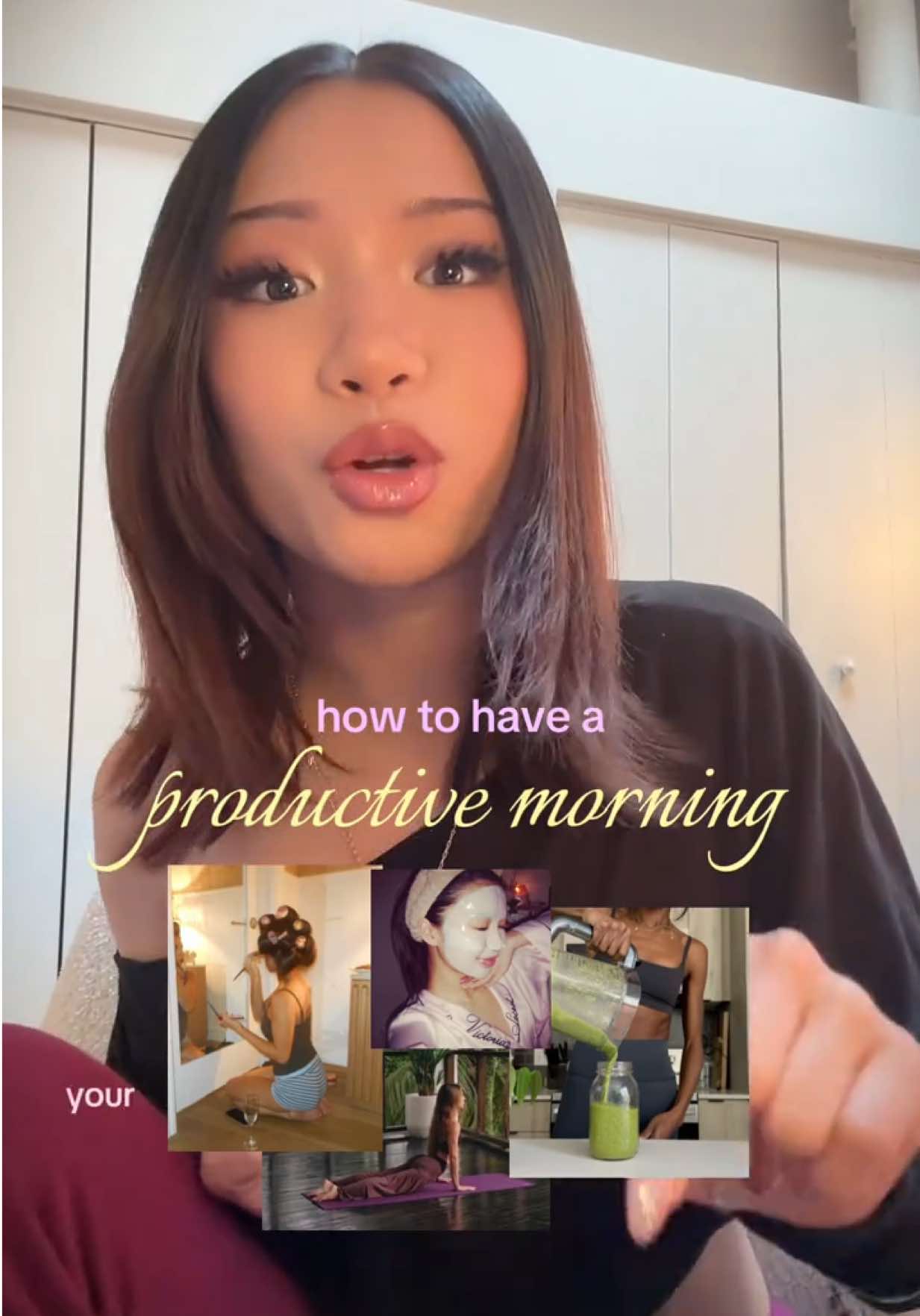
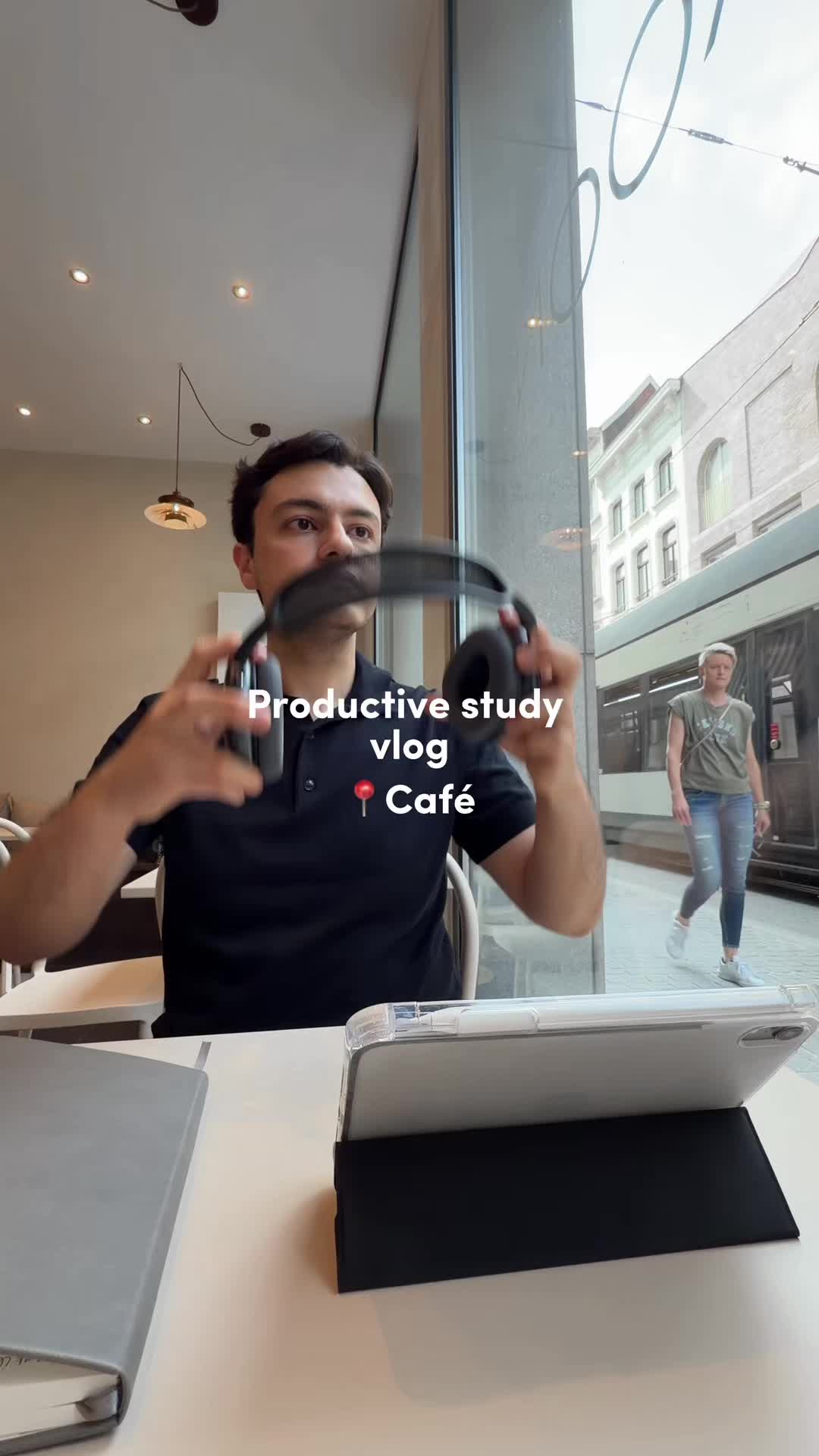
Several of the strongest performers embed productivity content inside a lifestyle or beauty format, such as a morning vlog or a get-ready-with-me, rather than leading with the productivity angle directly. This lowers the viewer's resistance because it feels like entertainment rather than self-help instruction. The productivity message lands softly inside content the viewer already enjoys consuming, which dramatically increases watch time and saves from early swipe-offs. Creators who blend identity markers like gym culture, corporate life, or aesthetic routines with productivity signals consistently punch above their baseline.
Challenge and Streak Structures Drive Return Engagement
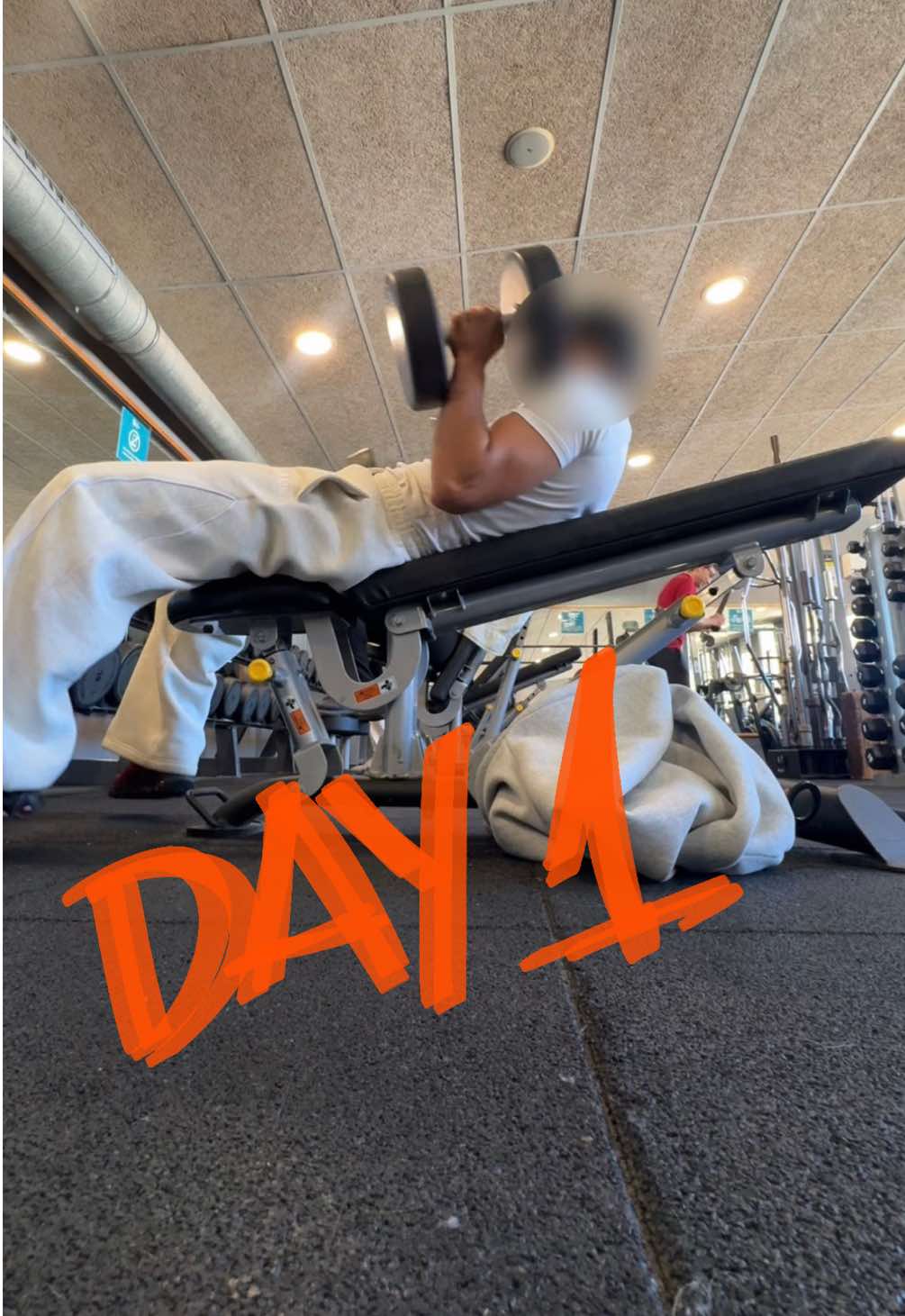
Multi-part series and day-count challenge formats appear repeatedly among solid performers, and they work because they manufacture a commitment device for both creator and viewer. When an audience knows a creator is on day one of a 66-day challenge or releasing part five of a neuroscience series, they are incentivized to follow along, which inflates profile visits and repeat views beyond a single video. These formats also signal credibility through consistency, making the creator feel like a trustworthy guide rather than a one-off advisor.
Reframing Familiar Concepts with Fresh Language
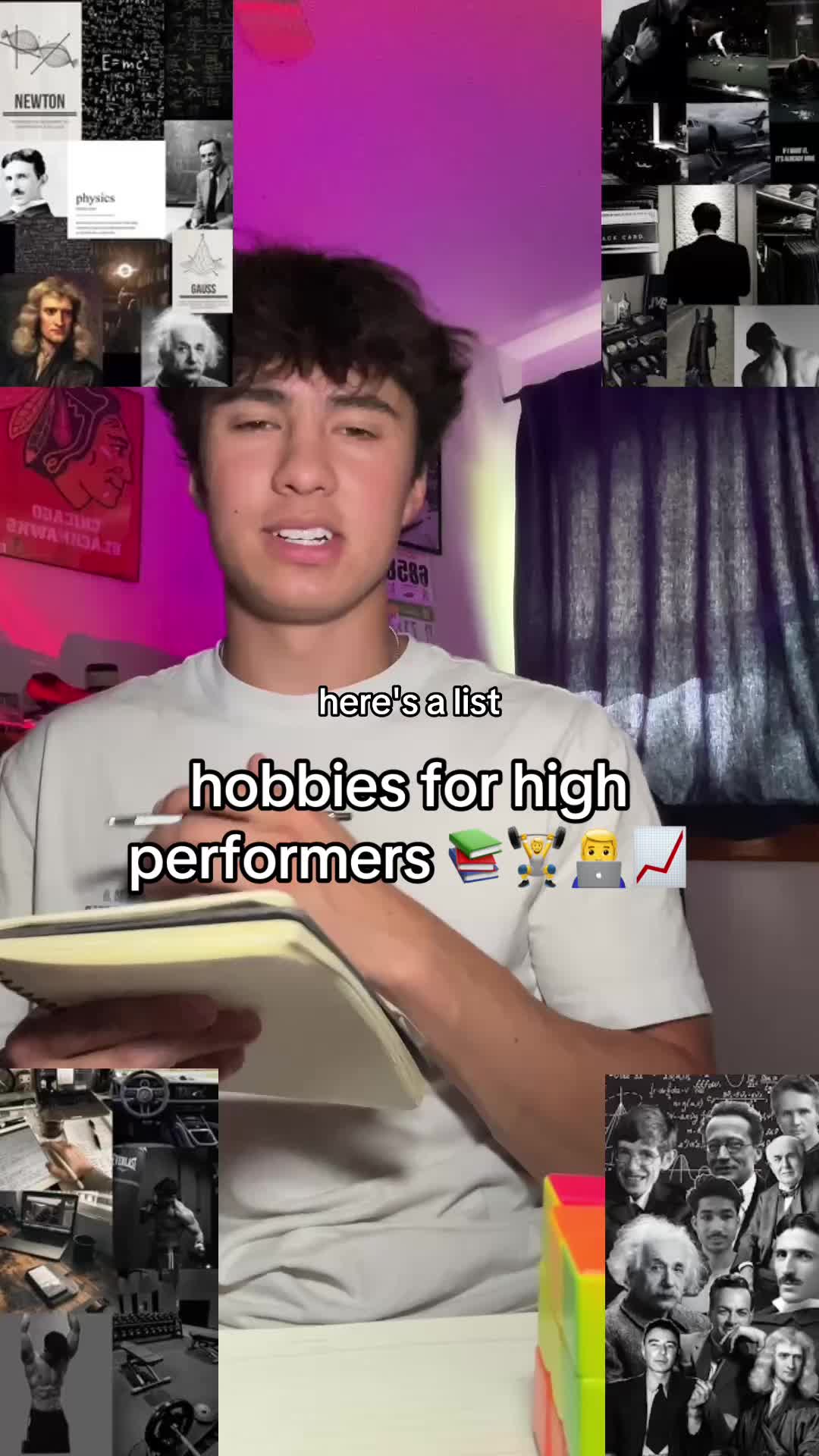
Some of the most shareable productivity content in this set does not introduce new information but packages familiar ideas inside a novel metaphor or unexpected vocabulary. Framing a productivity framework as a set of 'side quests' borrowed from gaming culture, for instance, takes a well-worn self-improvement concept and makes it feel freshly relevant to a specific identity group. This reframing technique is highly shareable because it gives viewers a new way to explain something they already believe to their own followers, turning the video into a social currency token.
Humor and Failure as Pattern Interrupts
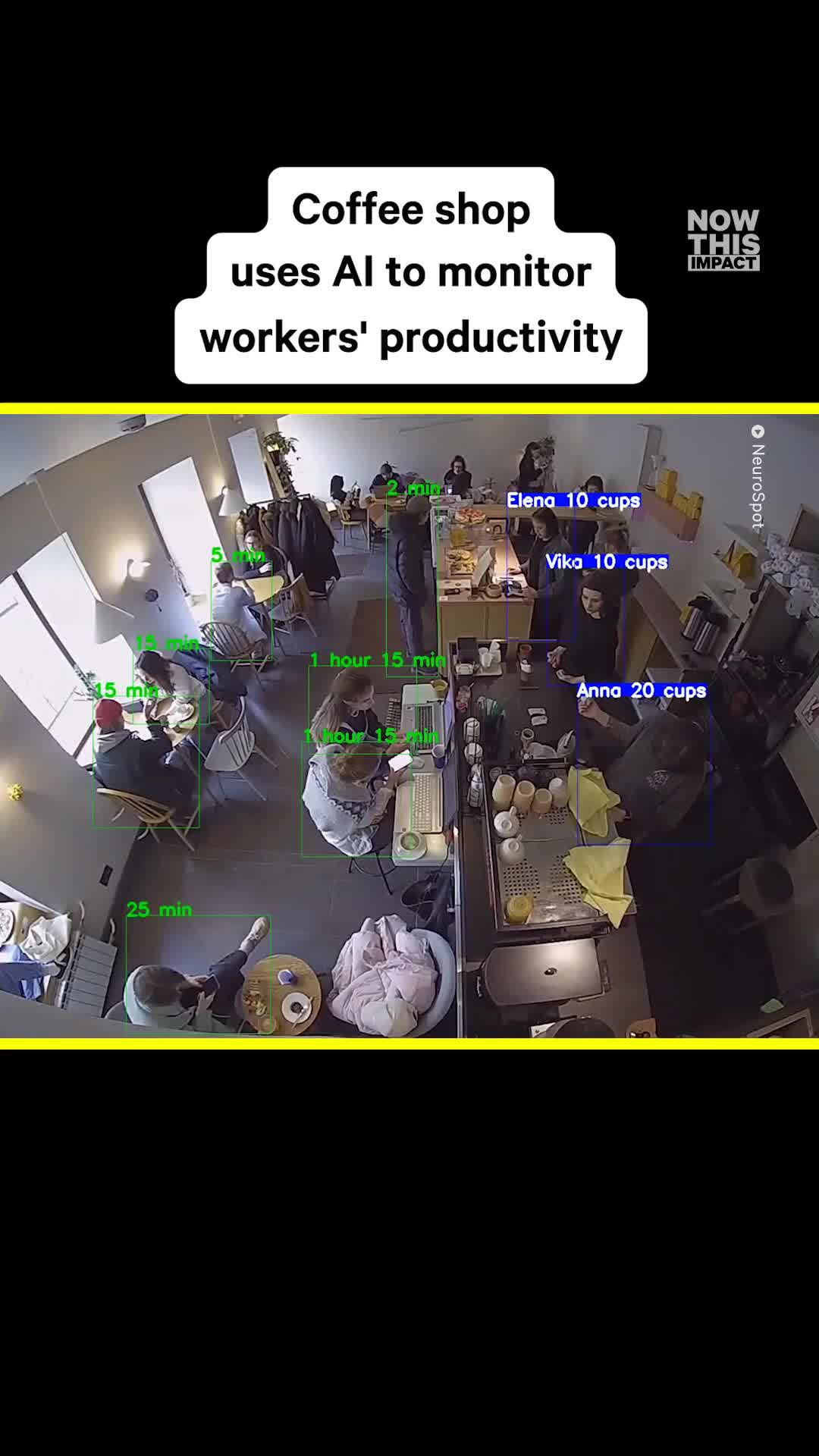
A meaningful cluster of high performers leans into the joke format, showing a failed or ironic attempt at productivity rather than a successful one. Content that depicts getting distracted, being unable to focus, or satirizing corporate productivity culture consistently earns strong engagement because it triggers recognition and community laughter rather than aspiration. This pattern interrupt works especially well because the productivity niche is saturated with polished success content, so anything that acknowledges struggle stands out visually and emotionally on a crowded feed.
Analysis generated by Reelyze from 20 top-performing productivity videos.