




















What Makes Self Improvement Short-Form Videos Go Viral
Self improvement content on short-form video thrives on a tension between radical simplicity and emotional resonance. The highest outliers in this niche are not the most polished or information-dense videos, they are the ones that make a viewer feel personally seen or privately challenged within the first two seconds. Formats range from raw personal journey logs to punchy philosophical one-liners, but the common thread is a hook that collapses the distance between creator and viewer instantly.
The Ultra-Short Hook Is the Most Dangerous Weapon
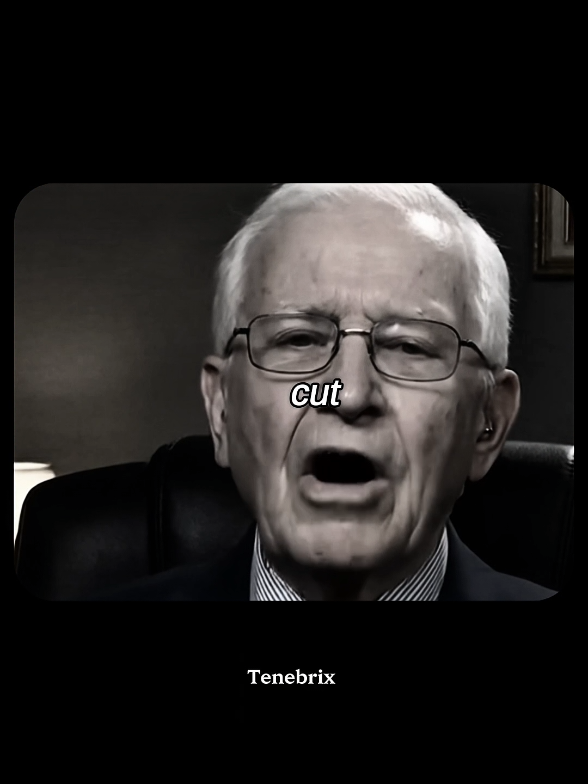
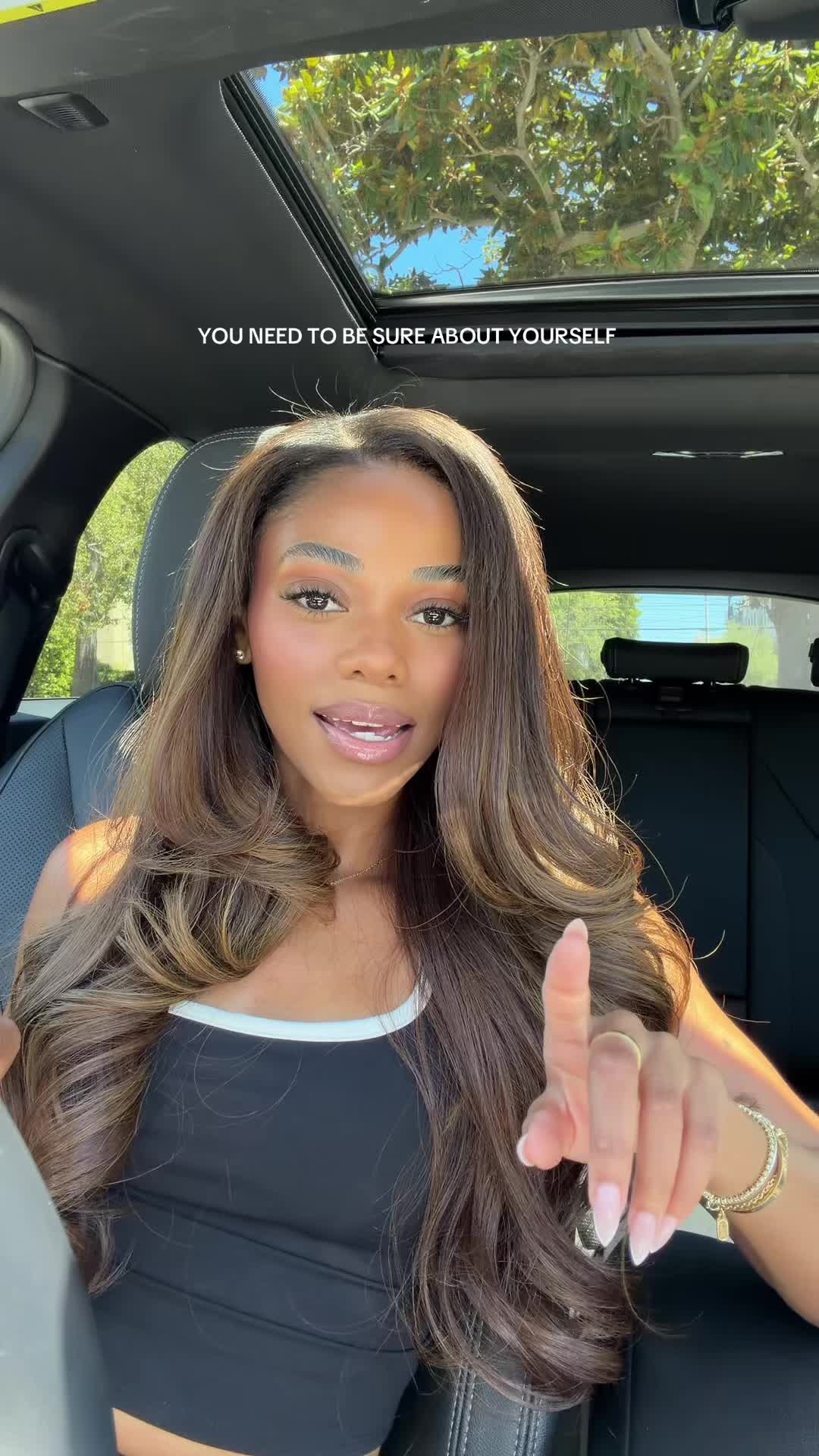
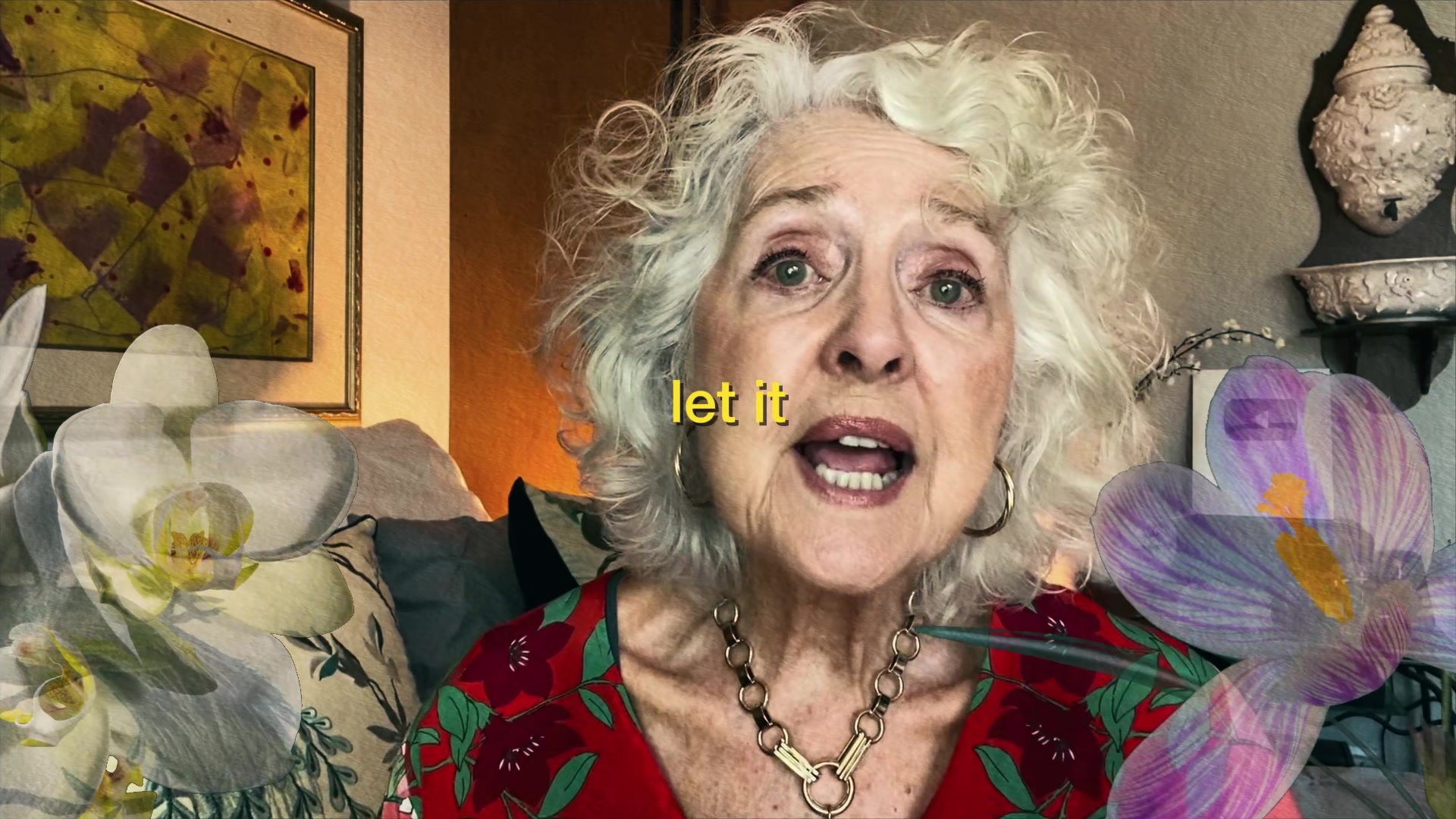
The most explosive outliers in this dataset use hooks that are either a single provocative question, a blunt declaration, or a stripped-down label with zero context. Videos with two-to-four word captions like a confidence challenge or a binary choice frame consistently punched above their weight in views relative to channel size. These micro-hooks work because they trigger a completion instinct, the viewer's brain needs to resolve the ambiguity, so they stay. The lesson for creators is that withholding information in the first sentence is often more powerful than front-loading it.
The Journey Log Format Creates Compulsive Return Visits
Day-count progress videos carry an enormous outlier multiple because they weaponize serialization. When a creator frames content as a numbered entry in an ongoing journey, each video becomes a chapter, and viewers who feel behind are motivated to binge the archive. This format also builds parasocial accountability, the audience feels like a witness to real change, which increases emotional investment far beyond what a tips-and-tricks video can generate. The vulnerability of showing a process rather than a polished result is itself the hook.
Contrarian and Taboo Statements Drive Massive Share Behavior
Several high-performing videos in this set gained traction specifically by pushing back against the self-improvement genre itself, calling out how mainstream self-help culture repackages ordinary behavior as extraordinary achievement. This meta-critique format resonates because it flatters the viewer's intelligence, they feel like they are in on the joke rather than being sold something. Creators who pair a bold, slightly uncomfortable claim with confident delivery consistently trigger the comment and share reflex, because the viewer wants to see how others react to the same provocation.
List and Cut-Off Formats Dominate Broad Discovery
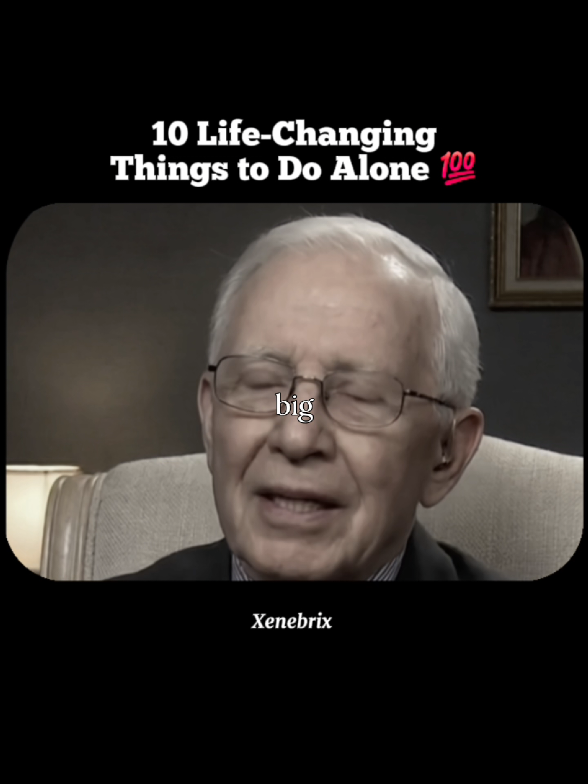
Numbered list videos, particularly those framed around eliminating behaviors rather than adding them, performed strongly in raw view counts. The framing of cutting or walking away from something taps into loss aversion, which is a more urgent emotional driver than aspiration alone. Titles that promise a specific count of actionable items also reduce the cognitive commitment a viewer feels before clicking, because they know exactly how much of their time is being requested. The sweet spot appears to be six items or fewer, keeping the video tight enough to watch in one sitting.
Philosophical One-Liners Work as Identity Signals, Not Just Inspiration
Short motivational statements and quote-style videos reaching millions are not succeeding because they are uniquely wise, they are succeeding because viewers save and reshare them as personal identity signals. When someone reposts a short clip about solitude, discipline, or walking away from bad habits, they are communicating something about who they aspire to be to their own audience. Creators should think of these formats less as inspiration delivery and more as social currency minting, the simpler and more declarative the statement, the more broadly it can be adopted as a personal motto.
Analysis generated by Reelyze from 20 top-performing self improvement videos.