








What Makes Study Tips Short-Form Videos Go Viral
Study tips is one of the most competitive niches on short-form video, yet a clear set of patterns separates breakout hits from average performers. The top videos win by combining high-stakes urgency, a credible or exotic frame of reference, and actionable structure that viewers feel compelled to save. Creators who treat their content as a practical deliverable rather than a vague motivational post consistently outperform the field.
Hook Style 1: Urgency and Time Pressure
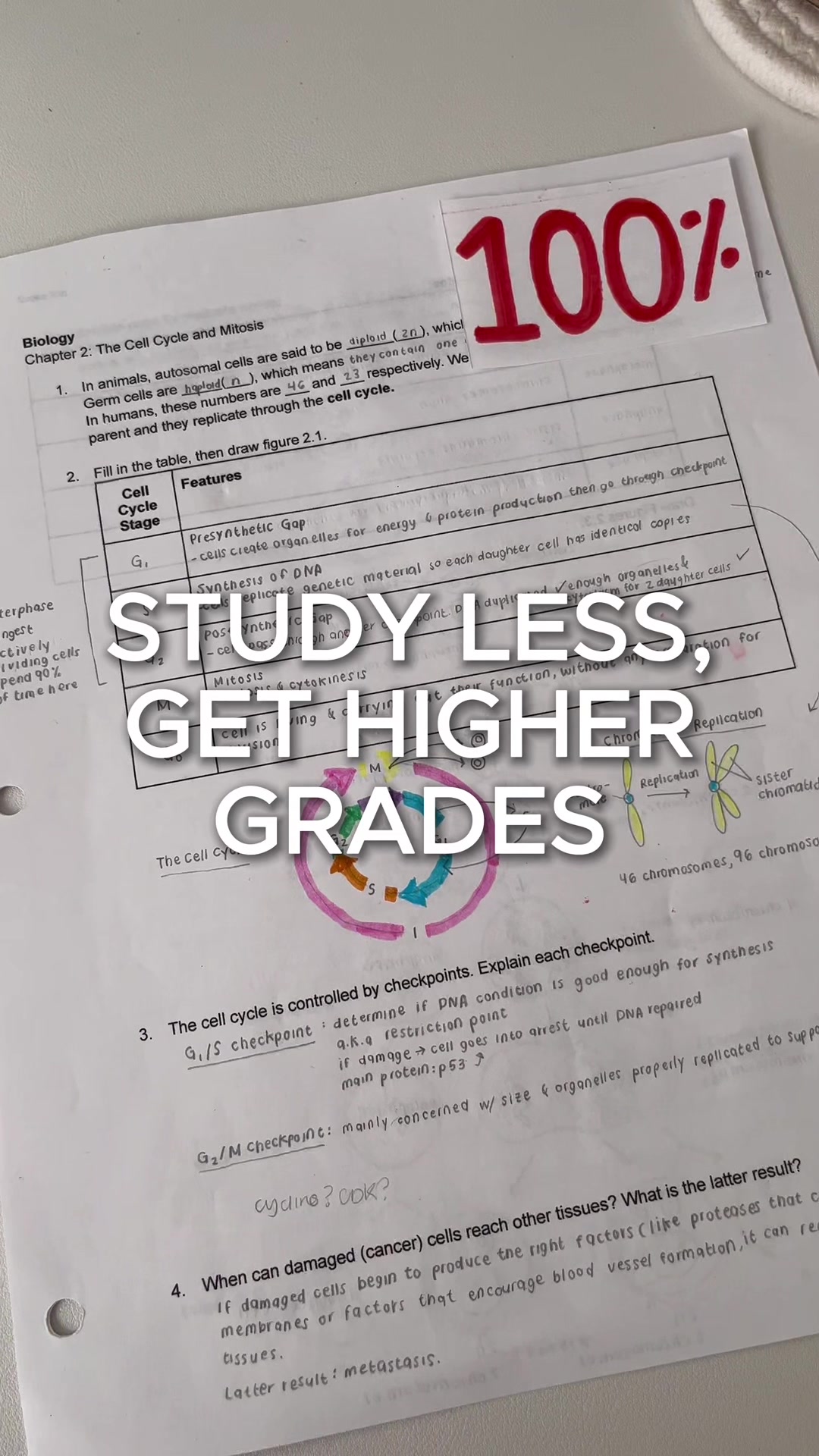
The highest-outlier videos lean hard into exam season urgency, using language that signals the viewer is running out of time and this video is their last chance to course-correct. Phrases that frame advice as last-minute, essential, or newly discovered create a fear-of-missing-out pull that drives immediate watch-through. This works especially well when paired with a specific exam cohort callout, such as naming a particular grade level or exam system, because it makes a mass audience feel like the video was made specifically for them. The more precise the time pressure, the higher the perceived value of the content.
Hook Style 2: The Exotic or Borrowed Authority Frame
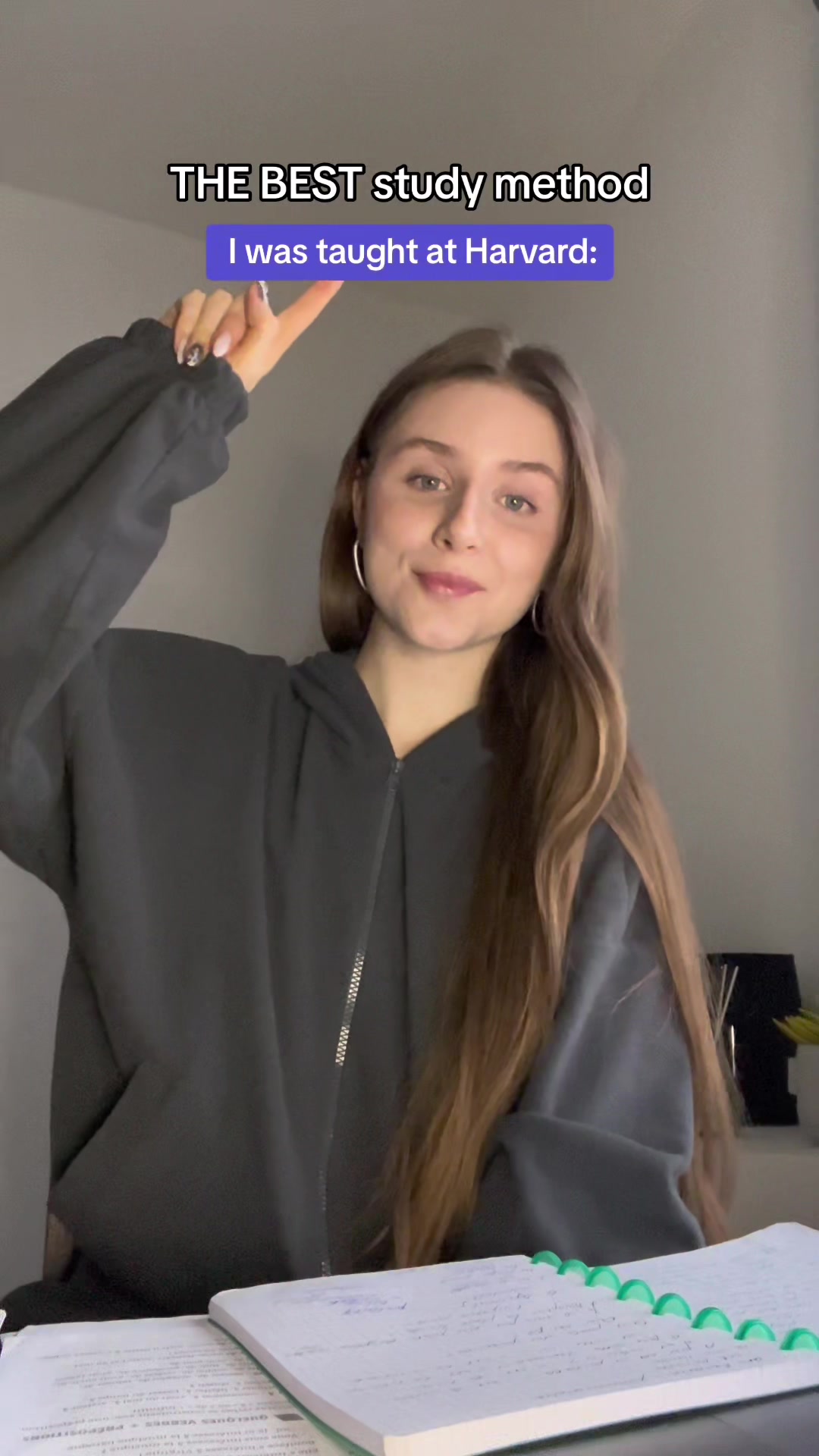
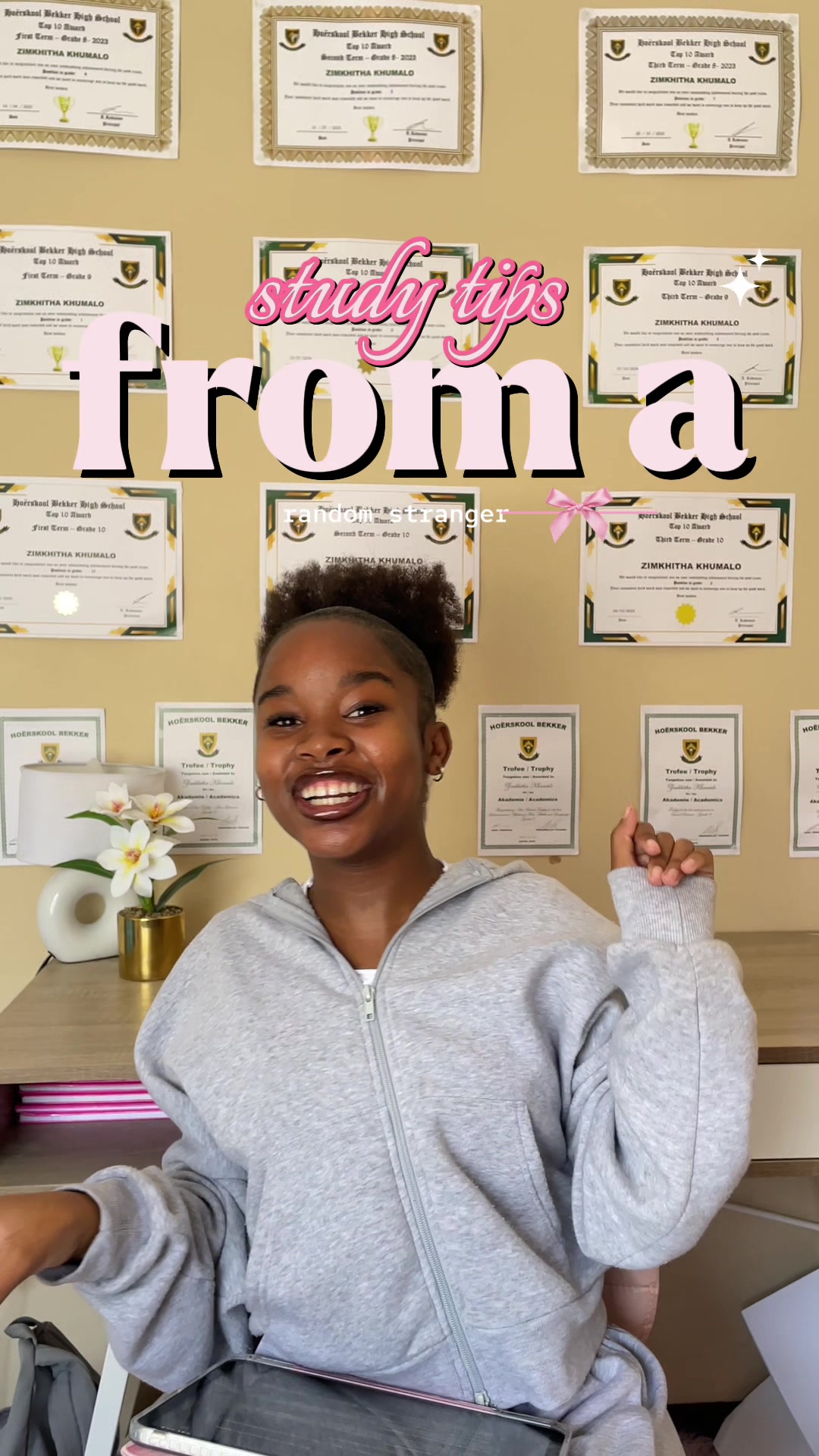
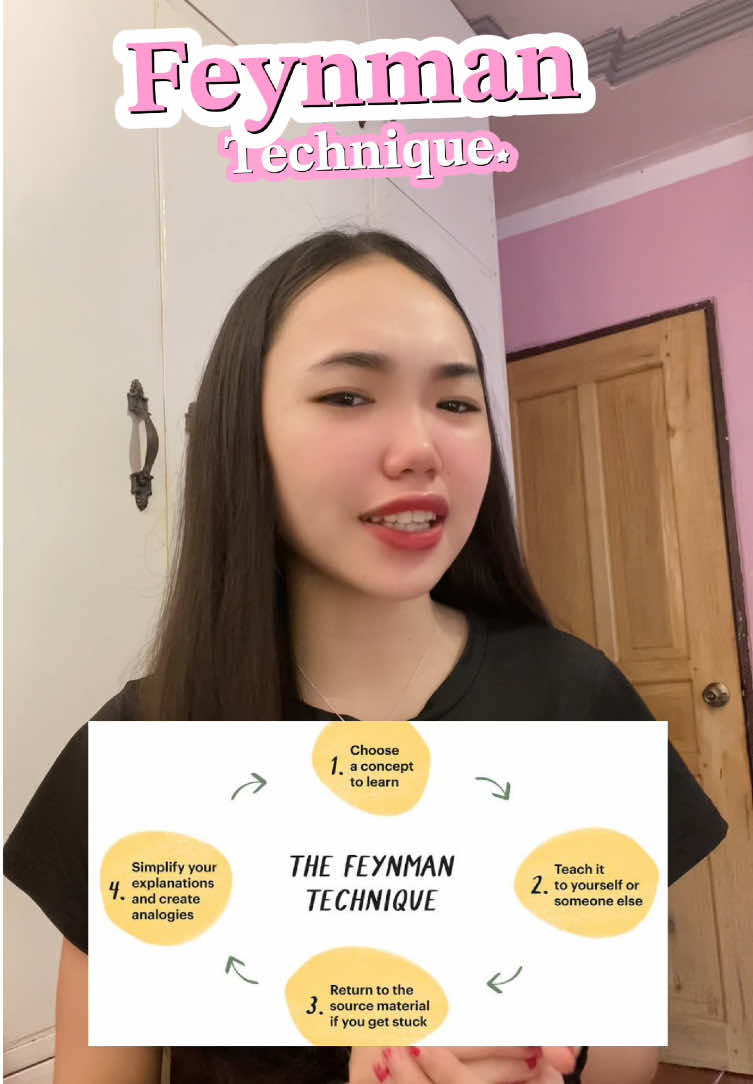
Several top performers borrow credibility from an external source rather than claiming personal expertise alone. Attributing a method to a specific nationality of students, a prestigious university, or a branch of science like neuroscience instantly elevates the perceived legitimacy of the advice. This works because viewers assume the system has been stress-tested at scale and is not just one person's opinion. The more specific and unfamiliar the source sounds, the more curiosity it generates in the first two seconds.
Format Winner: Numbered Lists with a Teased Payoff
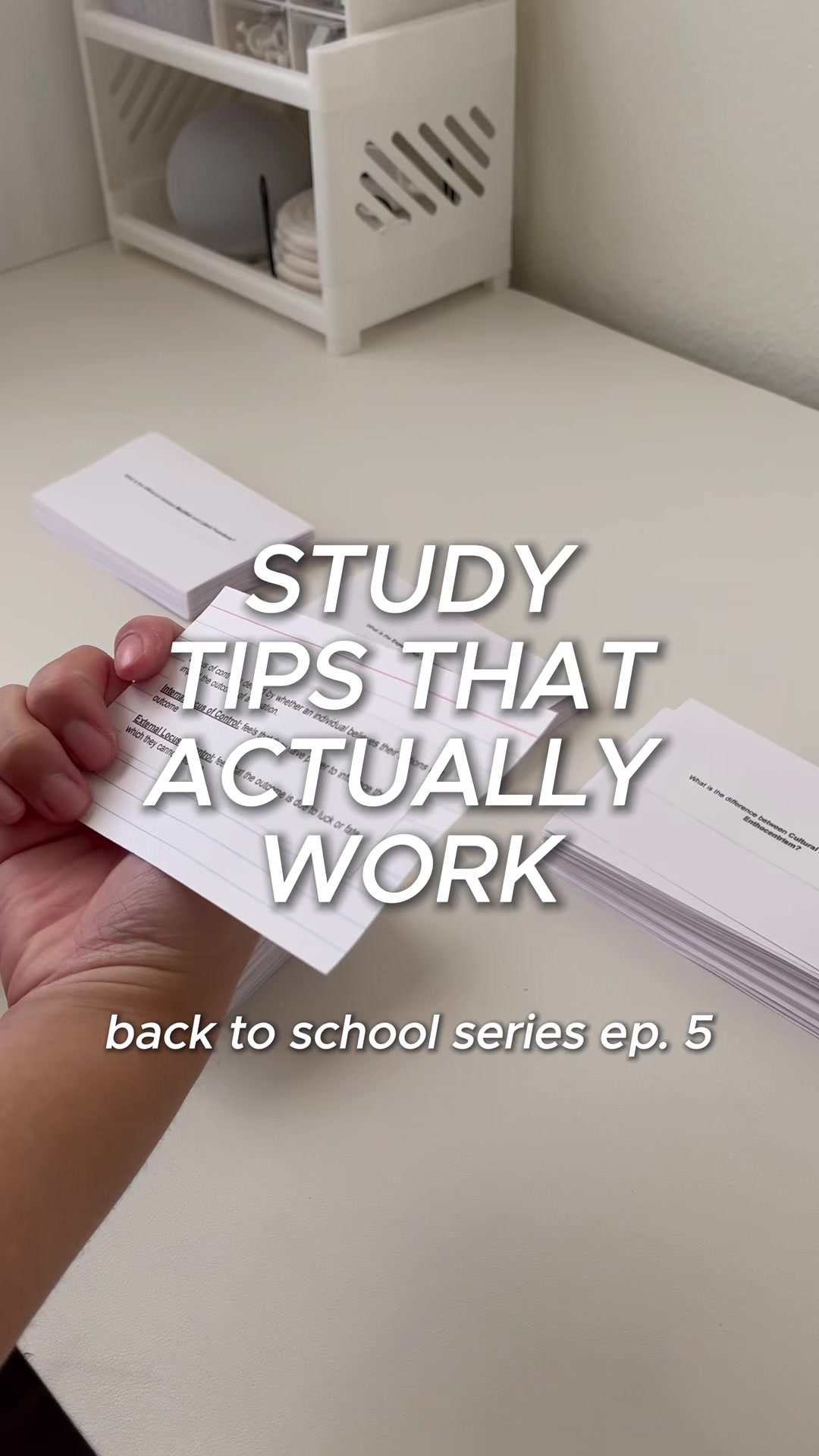
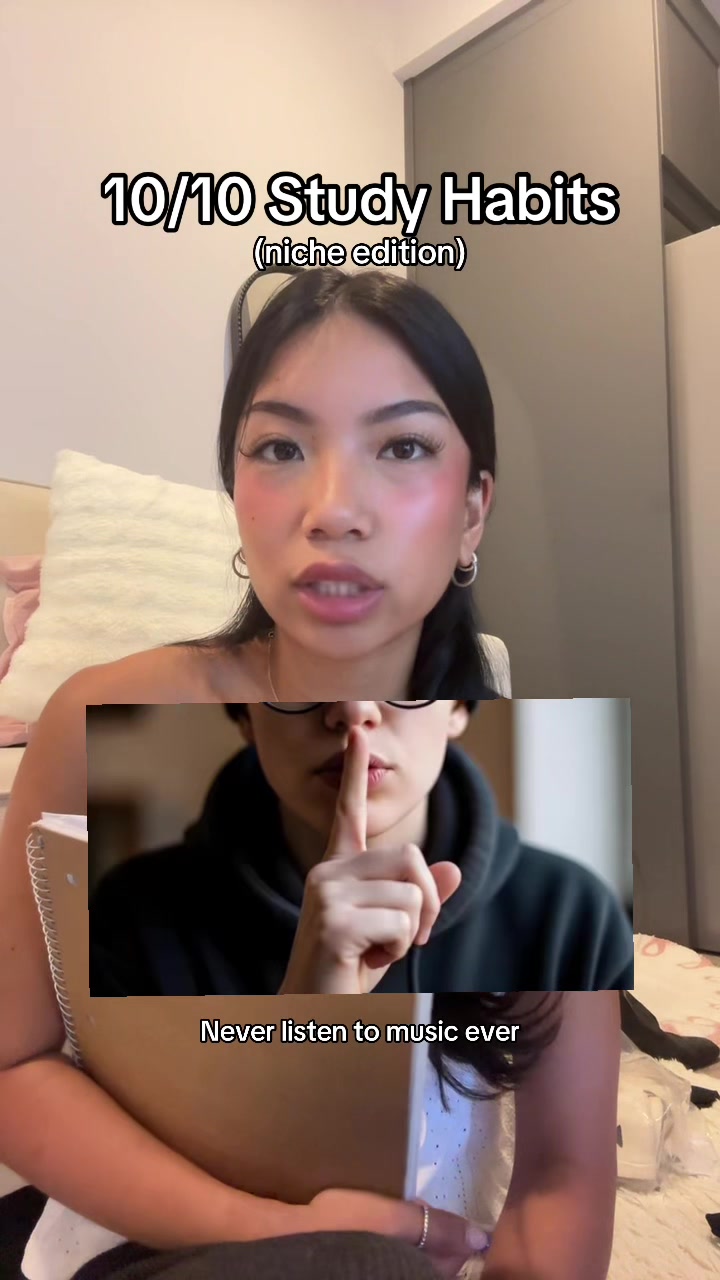
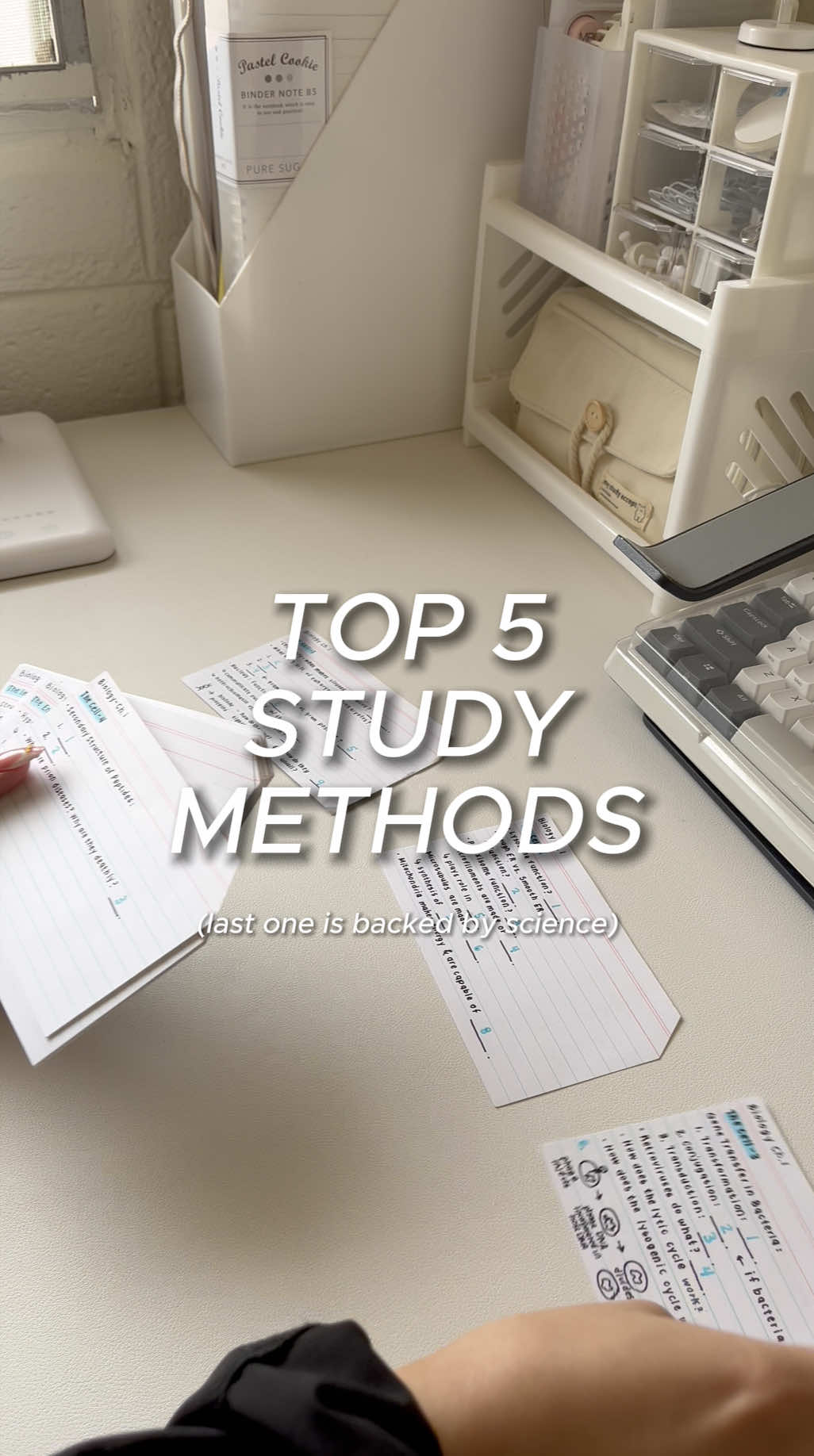
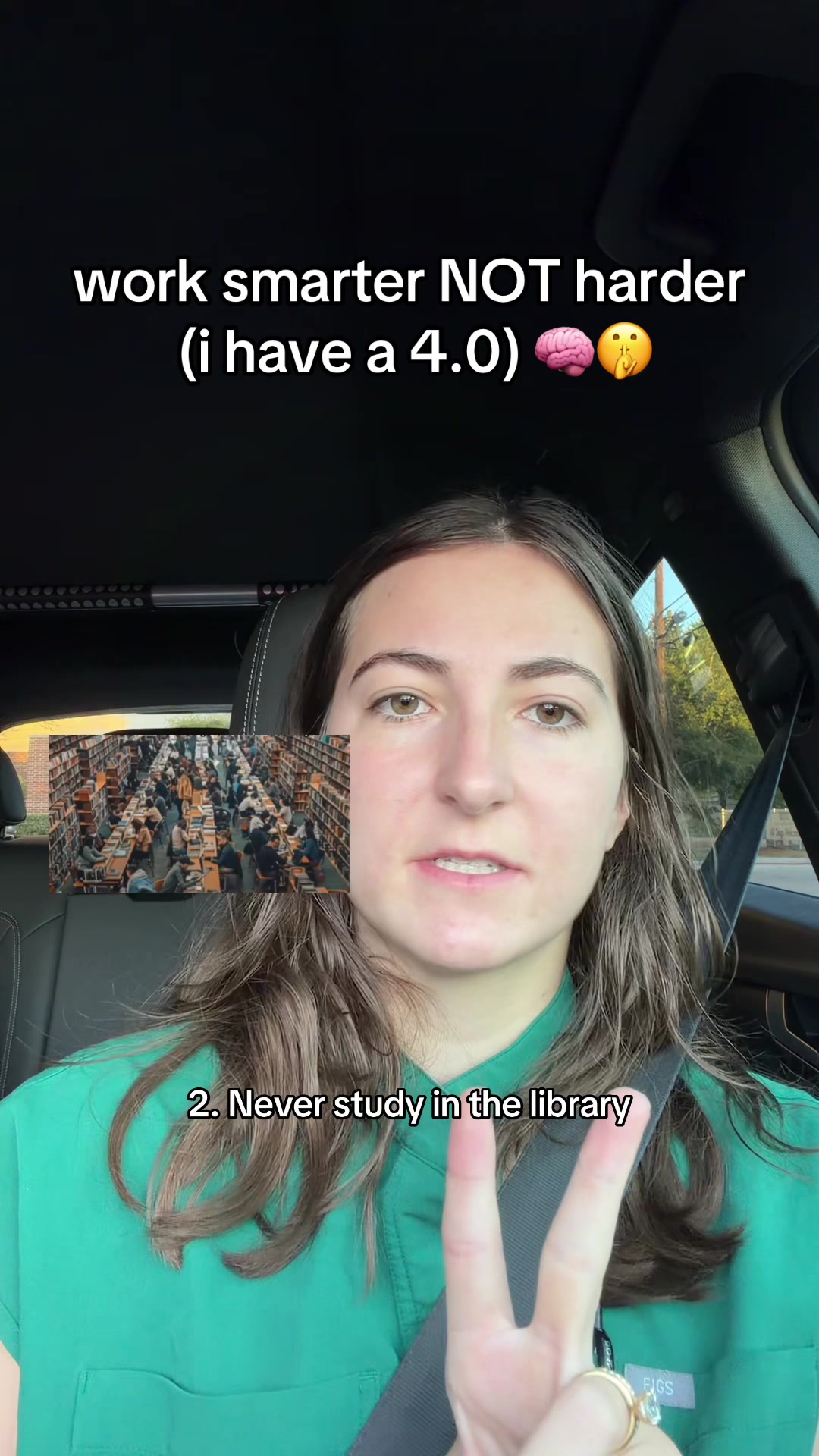
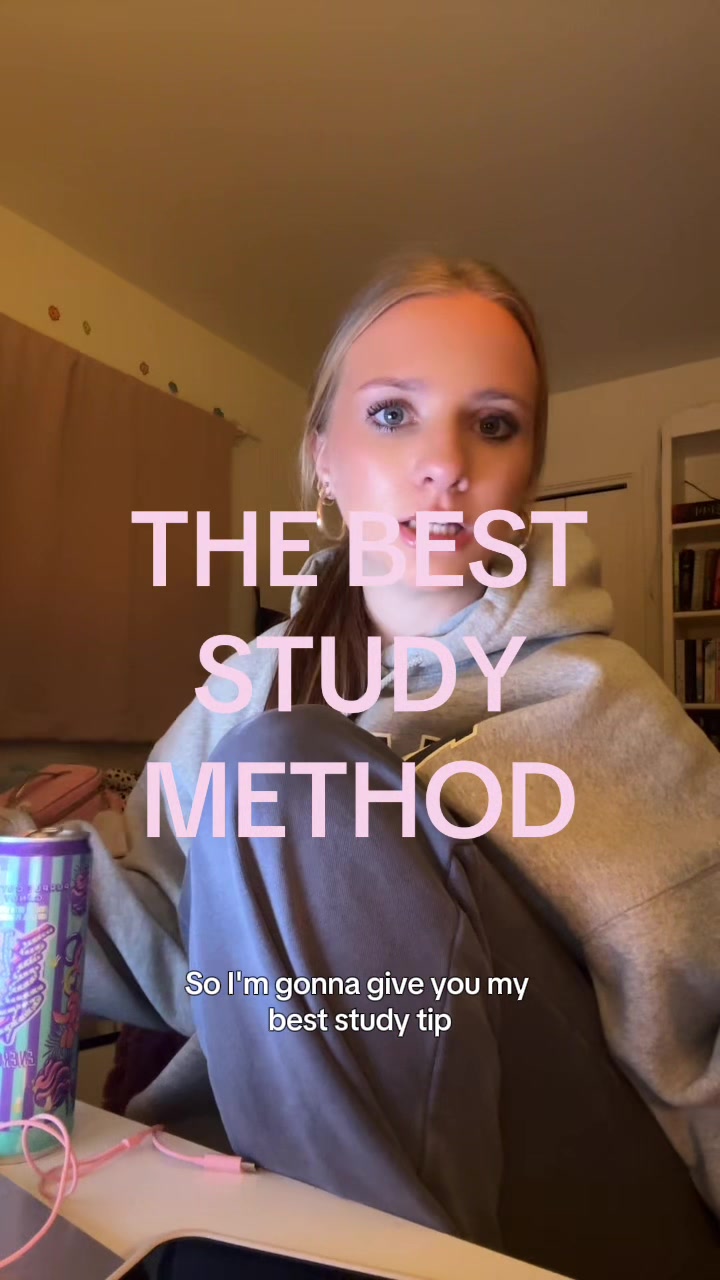
Across the top-performing set, the numbered list format dominates, but the key differentiator is that the best videos do not reveal all items in the hook. They tease a system, promise a specific count of techniques, and then deliver each point with enough depth to feel genuinely instructive rather than surface-level. Videos that pair on-screen text callouts with a spoken walkthrough of each point hold attention longer because they engage two cognitive channels simultaneously. The save-worthy format is a strong signal to the algorithm, and numbered lists are among the most saved content types in this niche.
Structure Pattern: Reframe Then Prescribe
The most effective study tips videos open by dismantling a common but flawed belief, such as the idea that motivation is reliable or that more hours automatically means better results, and then immediately offer a concrete replacement system. This two-part structure of reframe then prescribe gives the viewer a reason to distrust their current approach before presenting the creator's method as the logical upgrade. Videos that skip the reframe and go straight to tips tend to perform closer to average, because they give the viewer no reason to feel their old strategy was wrong.
Topic Clusters That Consistently Overperform
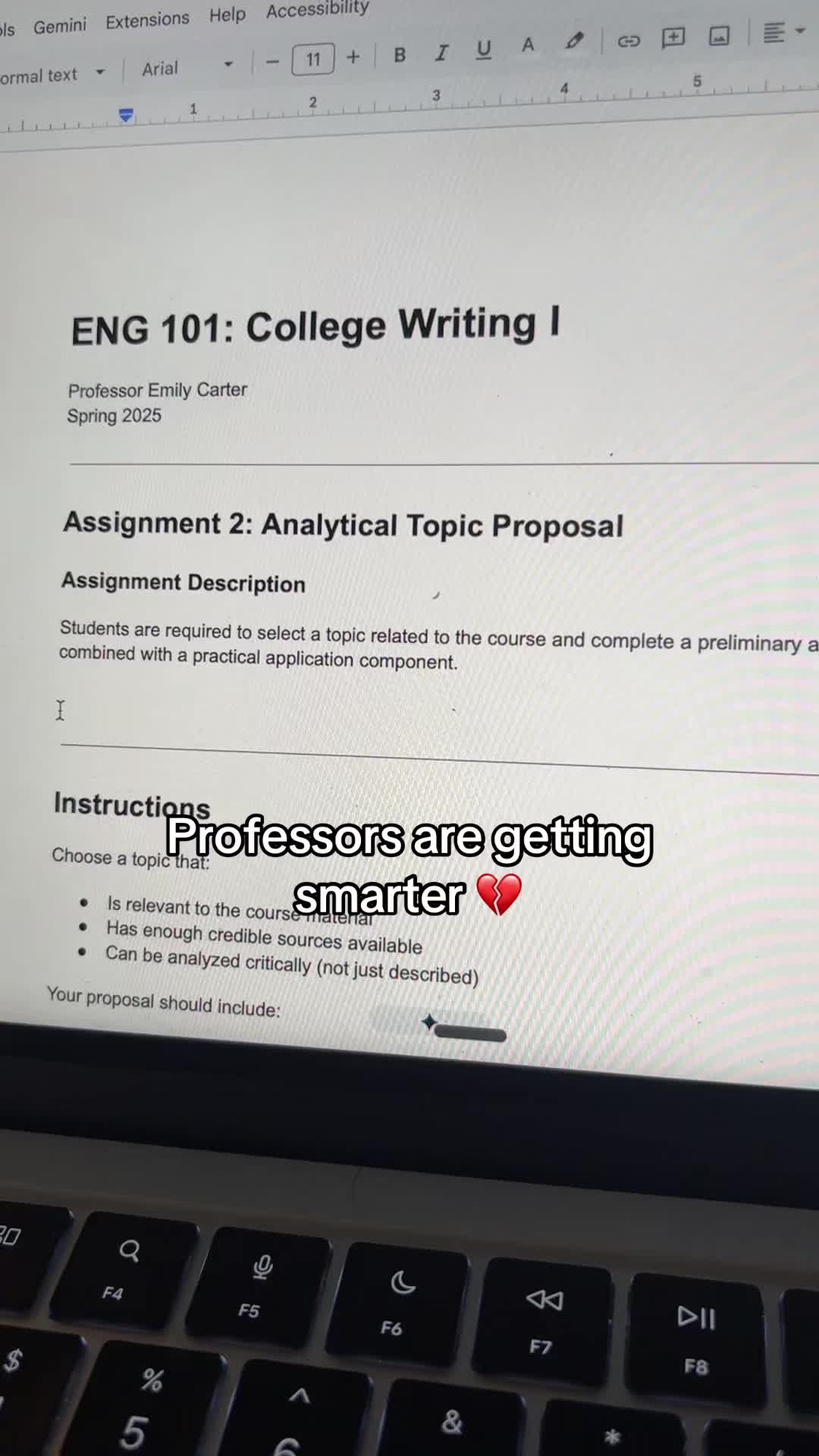
Three topic clusters appear repeatedly among outliers: sleep and morning routine optimization, memory science and spaced repetition, and the psychology of becoming addicted to or consistent with studying. These topics win because they address the root cause of academic struggle rather than surface-level tactics, making viewers feel they are getting insider knowledge. AI tool integrations are also emerging as a high-curiosity angle, with videos framing AI as a secret weapon that others have not discovered yet. Habit comparison content, such as contrasting top students with average ones, also drives strong engagement because it activates social comparison and self-evaluation.
Analysis generated by Reelyze from 20 top-performing study tips videos.