





What Makes Tech Gadgets Short-Form Videos Go Viral
Tech gadget videos win on short-form platforms by combining instant sensory payoff with a strong promise of utility or surprise. The top performers share a consistent DNA: they either reveal something the viewer did not know existed, demonstrate a problem being solved in real time, or trigger a curiosity loop that makes replaying the video feel rewarding. Creators who understand that the product is the entertainment, not just the subject, consistently outperform those who treat the video as a simple product showcase.
Hook Style 1: The Curiosity Gap and Replay Bait
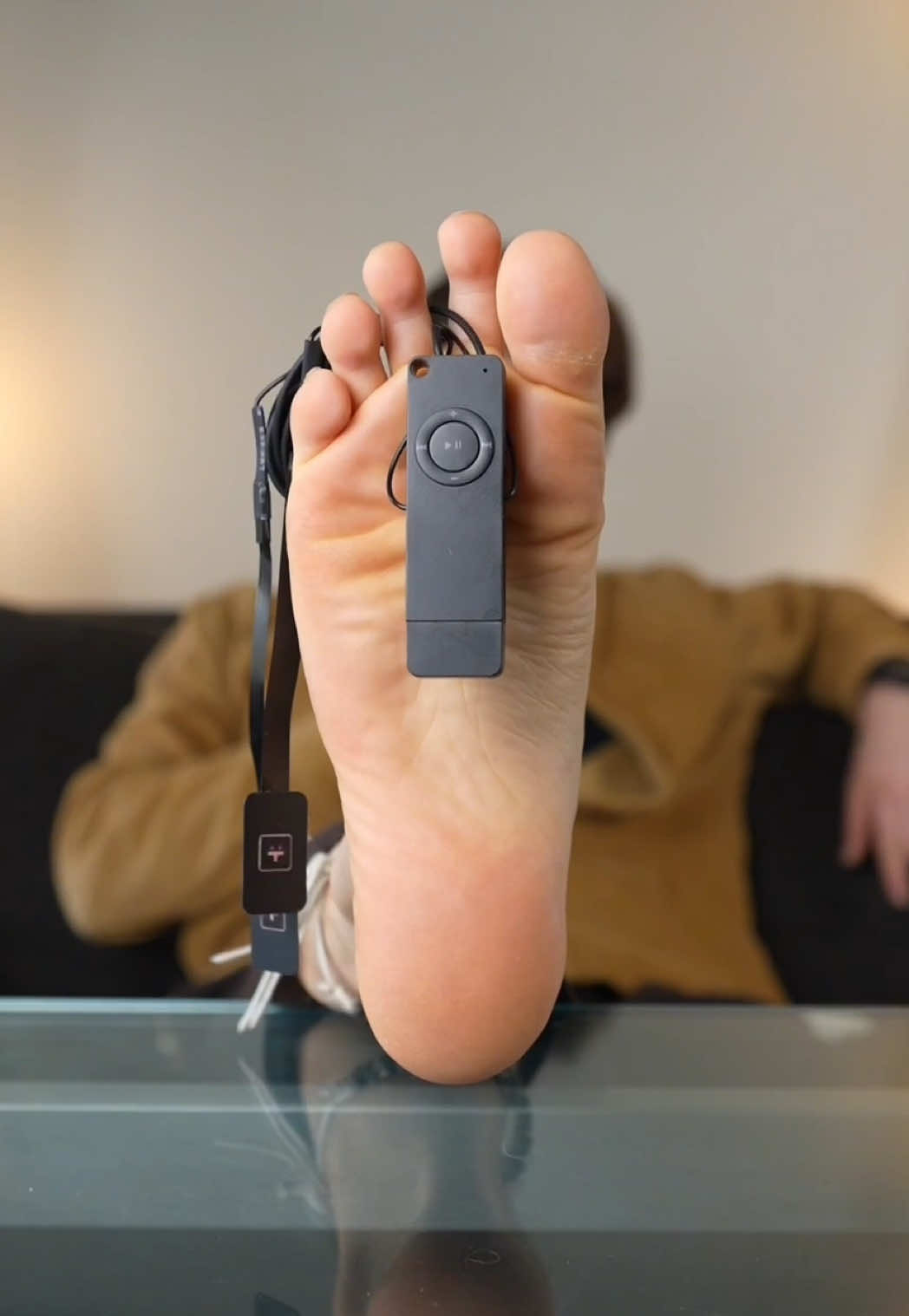
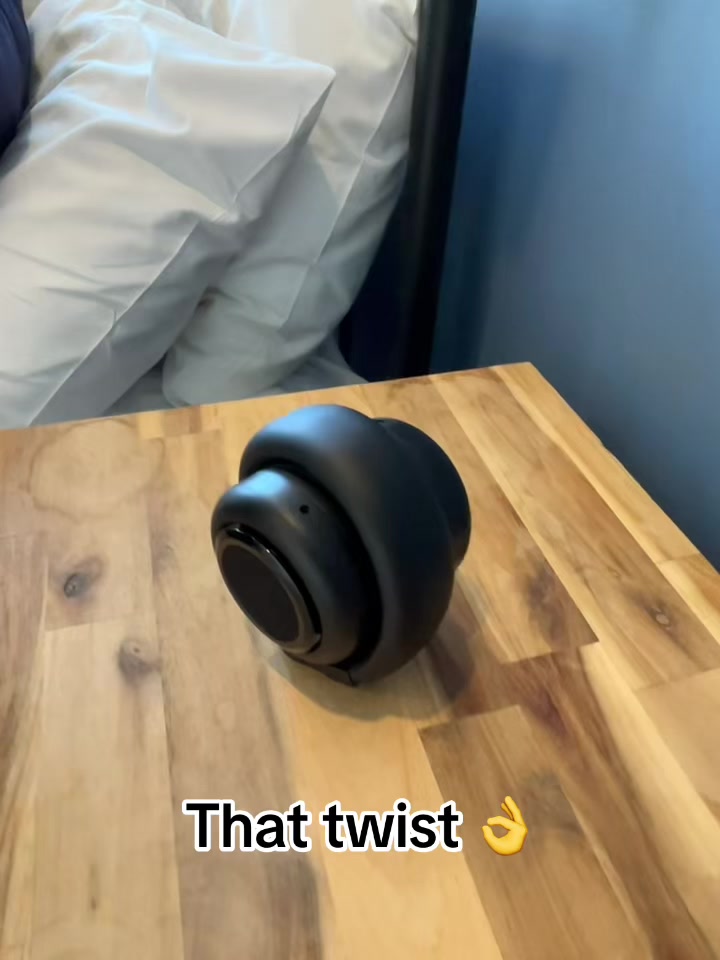
Several of the highest outlier multiples belong to videos that open with an action or visual that is deliberately incomplete, forcing viewers to watch again to fully process what happened. A two-word caption paired with a skull emoji, or a simple instruction to watch again, creates a cognitive itch that the platform algorithm rewards through repeat views and extended watch time. The hook is not verbal explanation but visual provocation, trusting the product's strangeness to do the selling. Creators who strip away context on purpose perform better than those who front-load information.
Hook Style 2: The Challenge or Interactive Dare
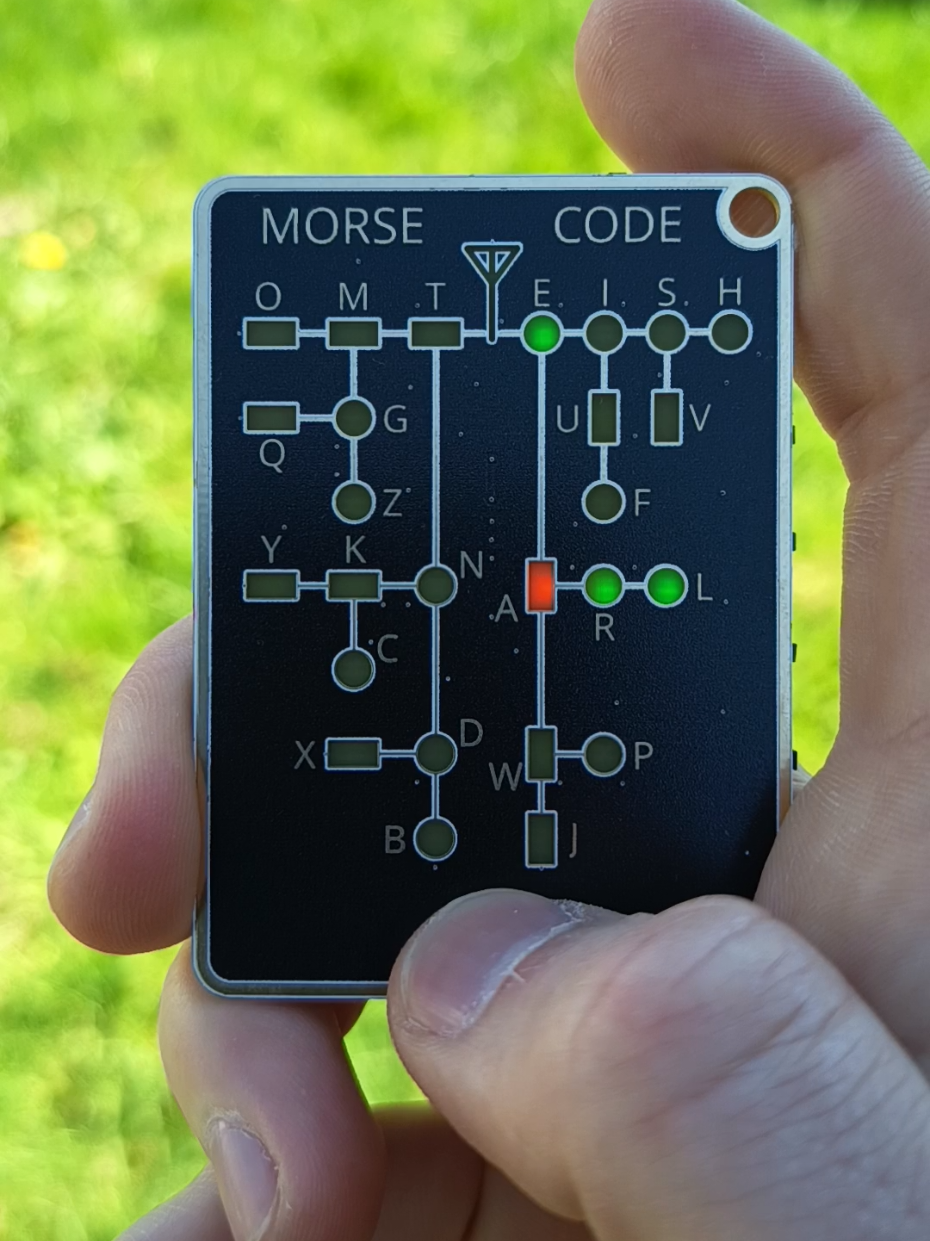
The Morse code video, one of the highest absolute view counts in the set, uses a direct challenge directed at the viewer, asking whether they can decode something before the video ends. This transforms passive watching into active participation, which dramatically increases completion rate and comment volume as viewers either brag or ask for answers. The gadget itself becomes secondary to the game being played around it. Any creator who can turn a product demo into a viewer challenge immediately unlocks a comment engine that feeds the algorithm.
Format Pattern: Destruction and Teardown as Spectacle
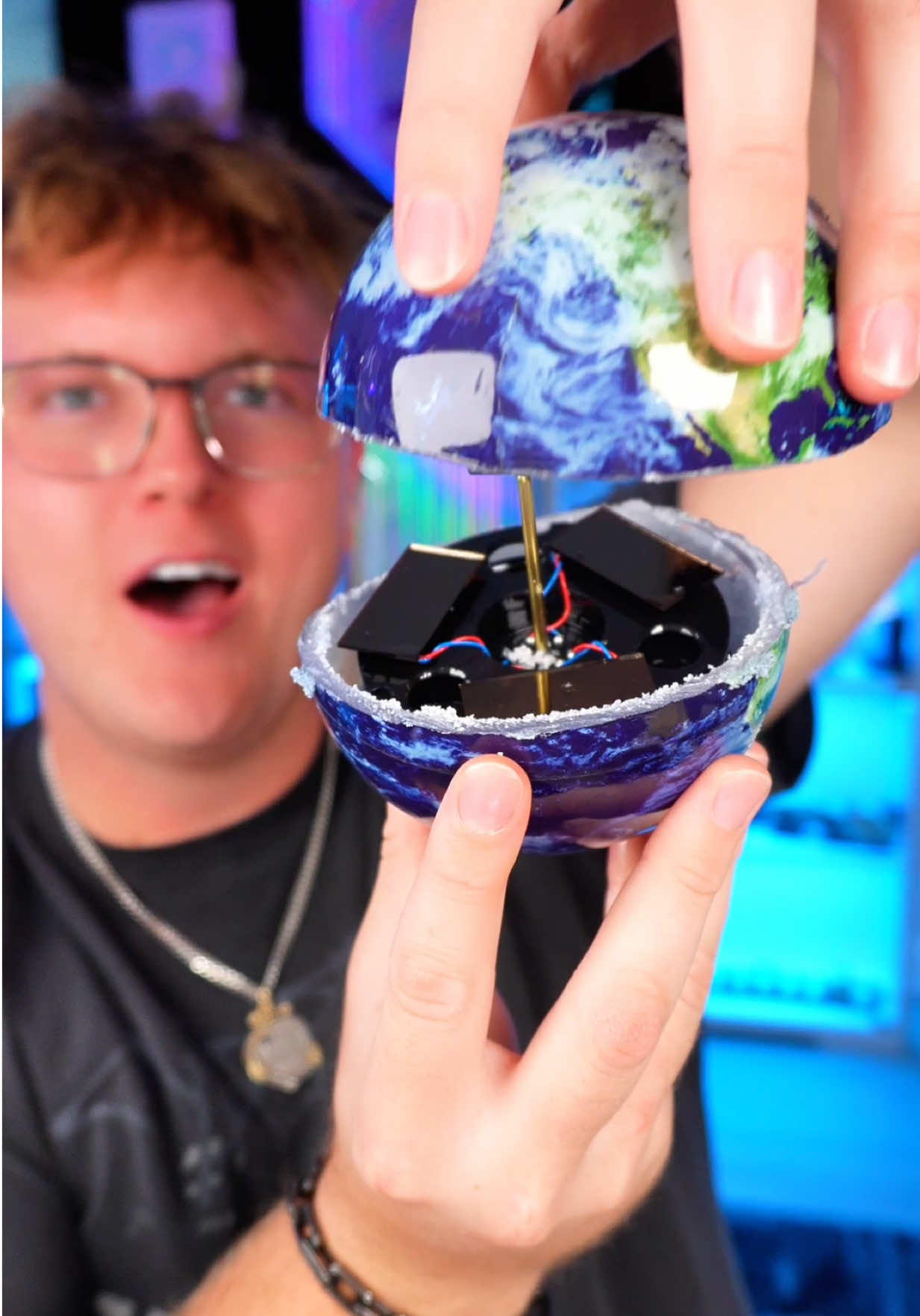
The Mova Globe teardown appears twice in the top performers, once as a teaser and once as the full reveal, and together they demonstrate a powerful two-video content structure: tease the destruction, then deliver it. Cutting open an expensive or mysterious object satisfies a primal curiosity that transcends the gadget category entirely. The format works because it is irreversible on screen, creating genuine stakes. Creators in any hardware niche can replicate this by identifying products whose internals are unknown or counterintuitive to the average viewer.
Topic Pattern: Solving an Invisible Everyday Problem
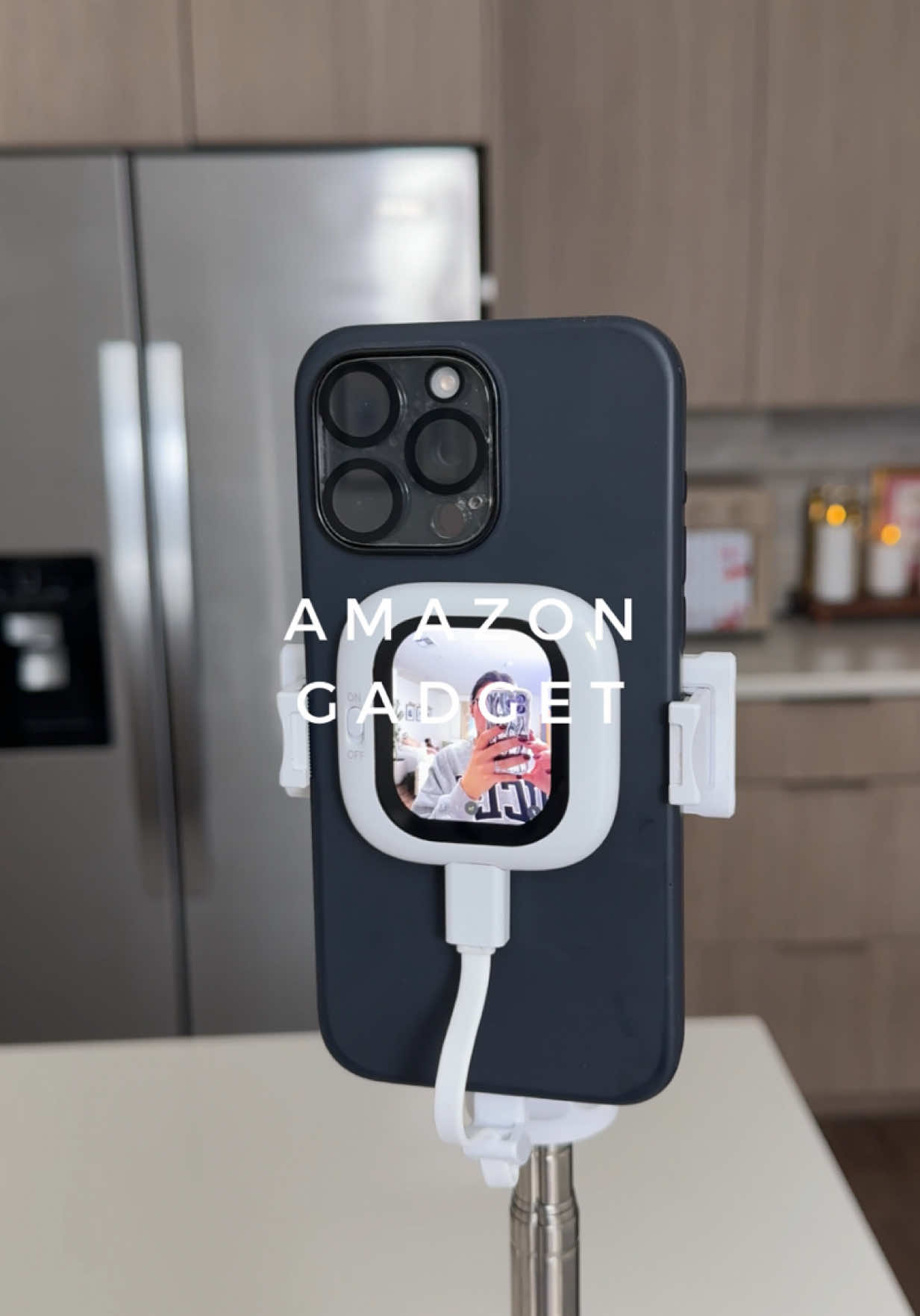
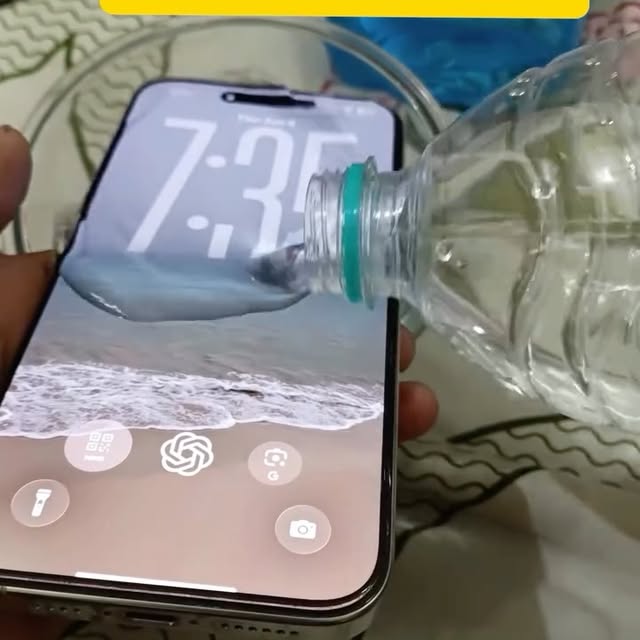
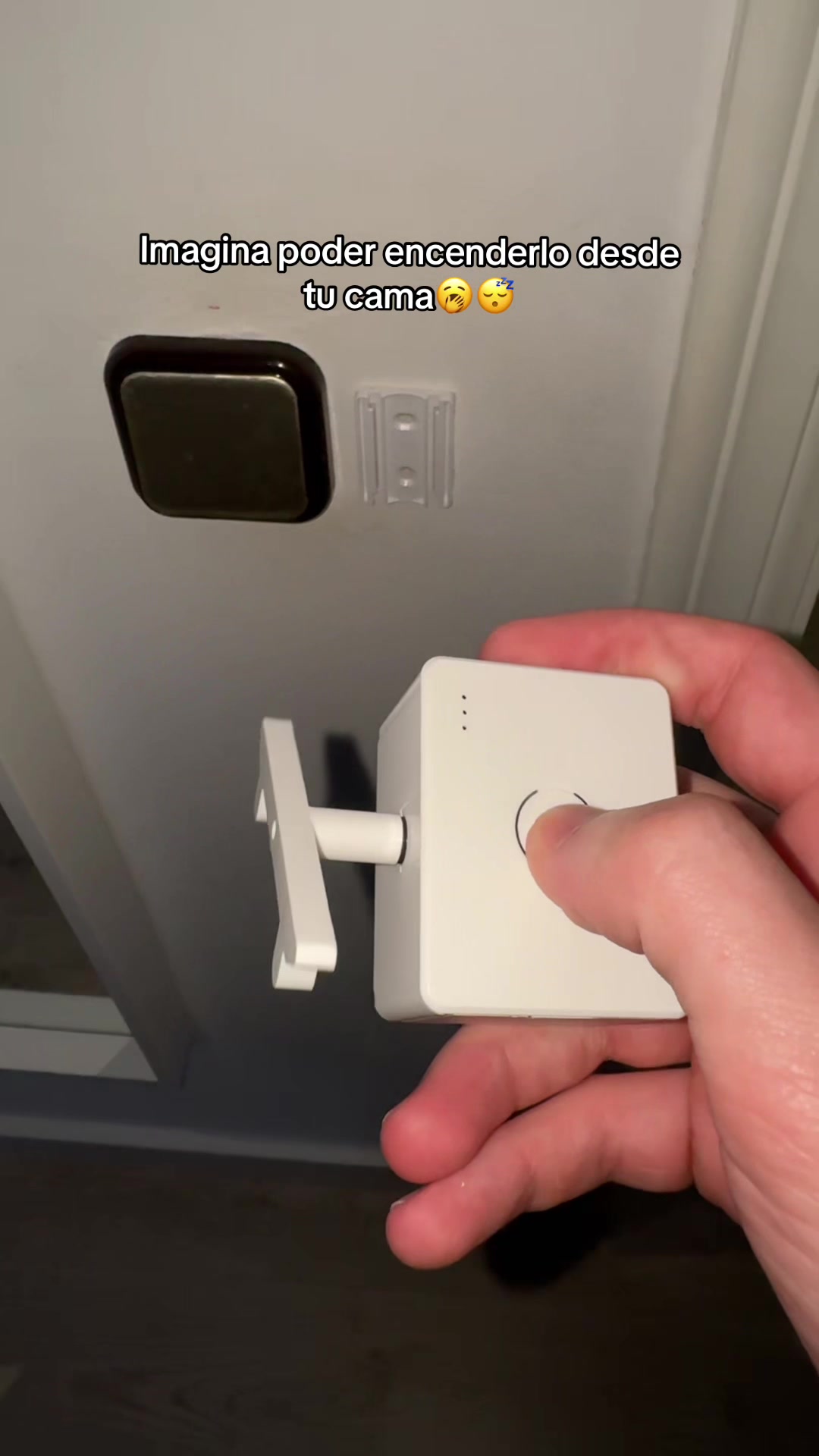
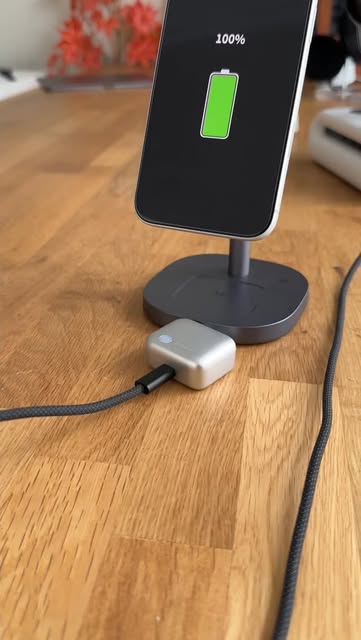
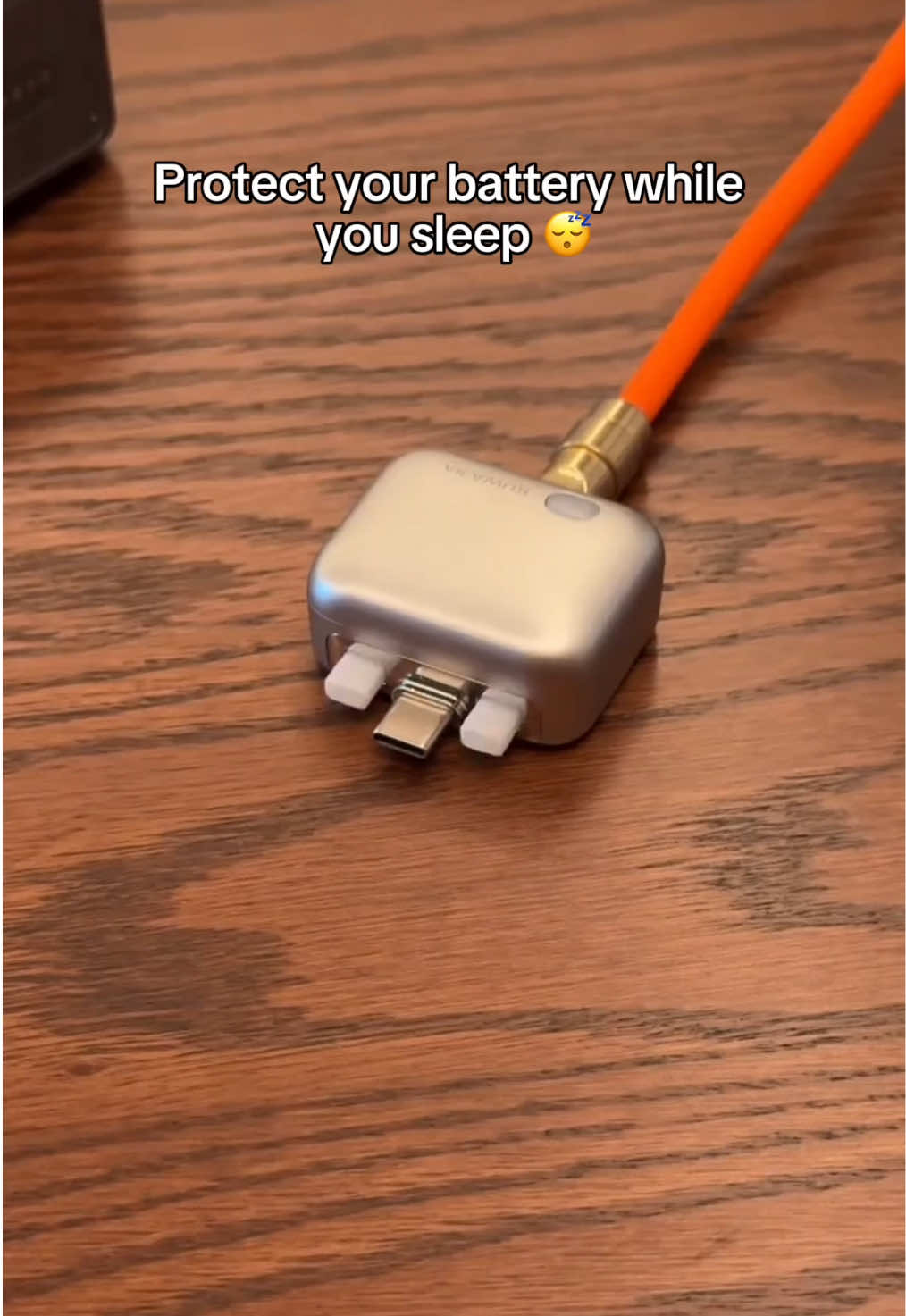
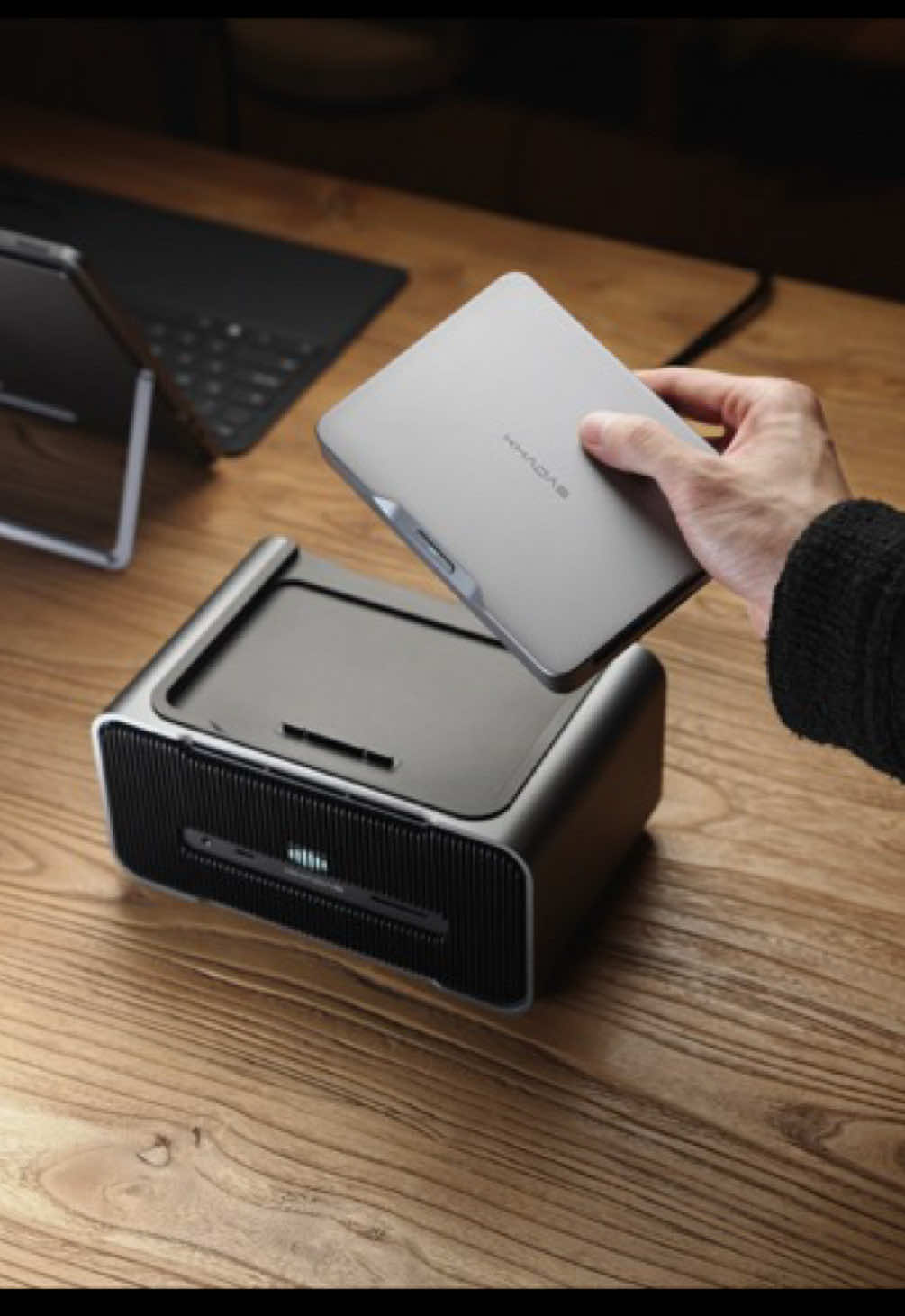
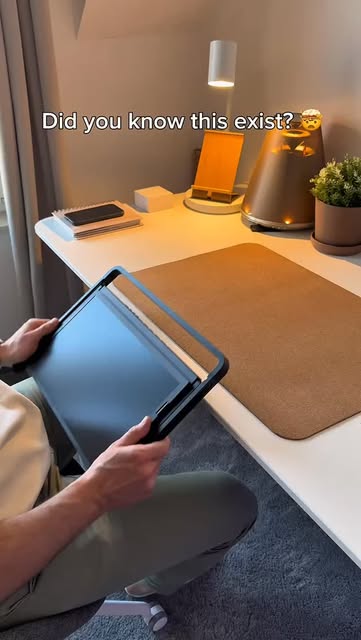
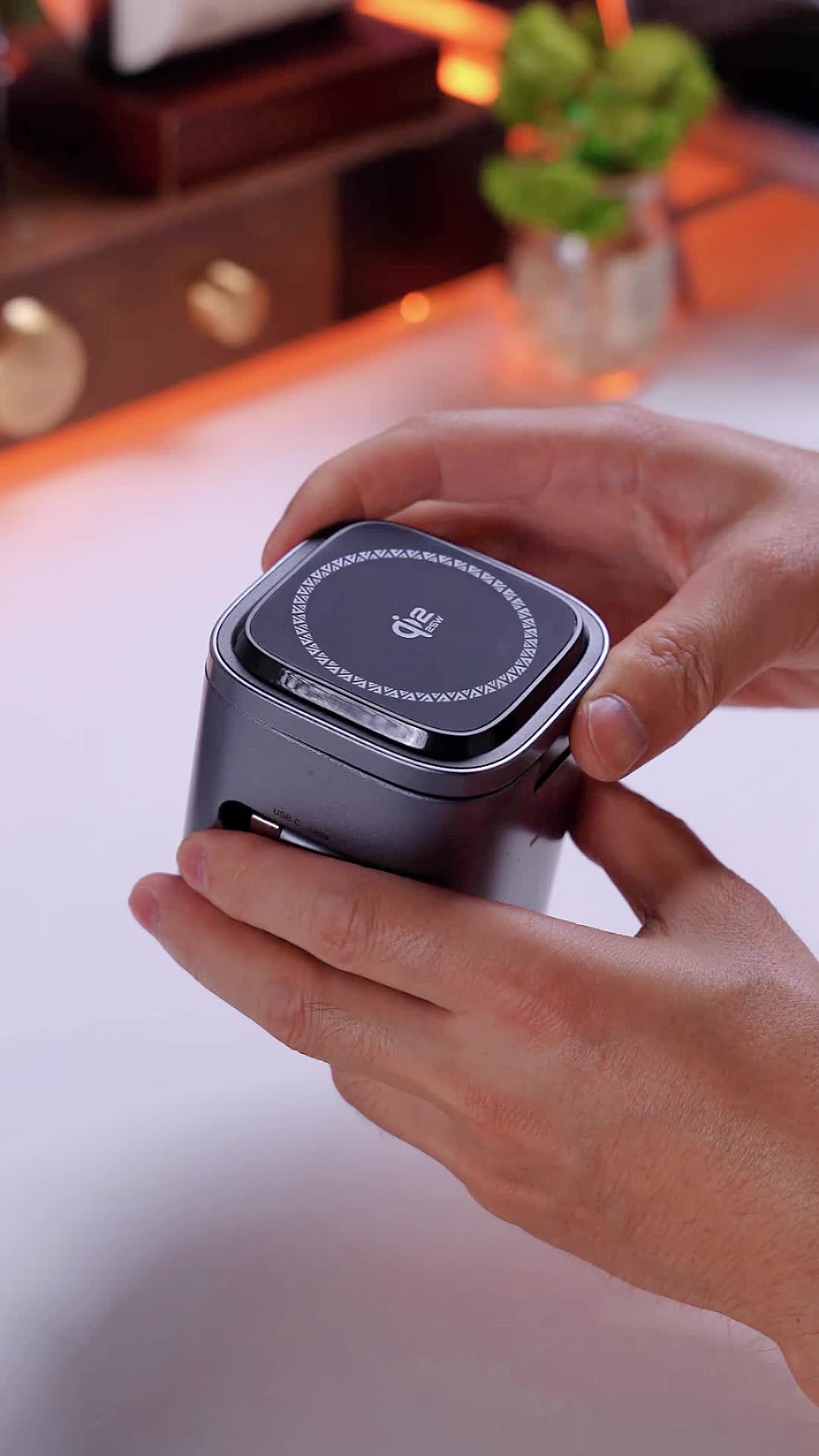
A significant cluster of top performers centers on problems viewers had normalized without realizing a solution existed, specifically overnight phone overcharging, dirty screens, and tangled phone placement. The structure follows a tight three-beat rhythm: name the problem in the first two seconds, show the product solving it in the next five, then deliver a short proof moment. This format works because the viewer's first reaction is recognition, not skepticism, which lowers resistance and increases save and share rates. Products that eliminate a minor daily frustration outperform pure novelty gadgets in terms of sustained engagement.
Format Pattern: Exotic Sourcing as a Trust and Discovery Multiplier
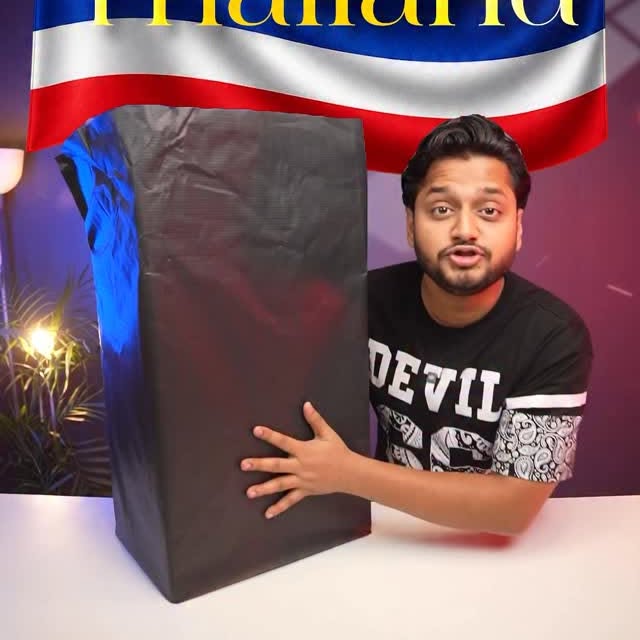
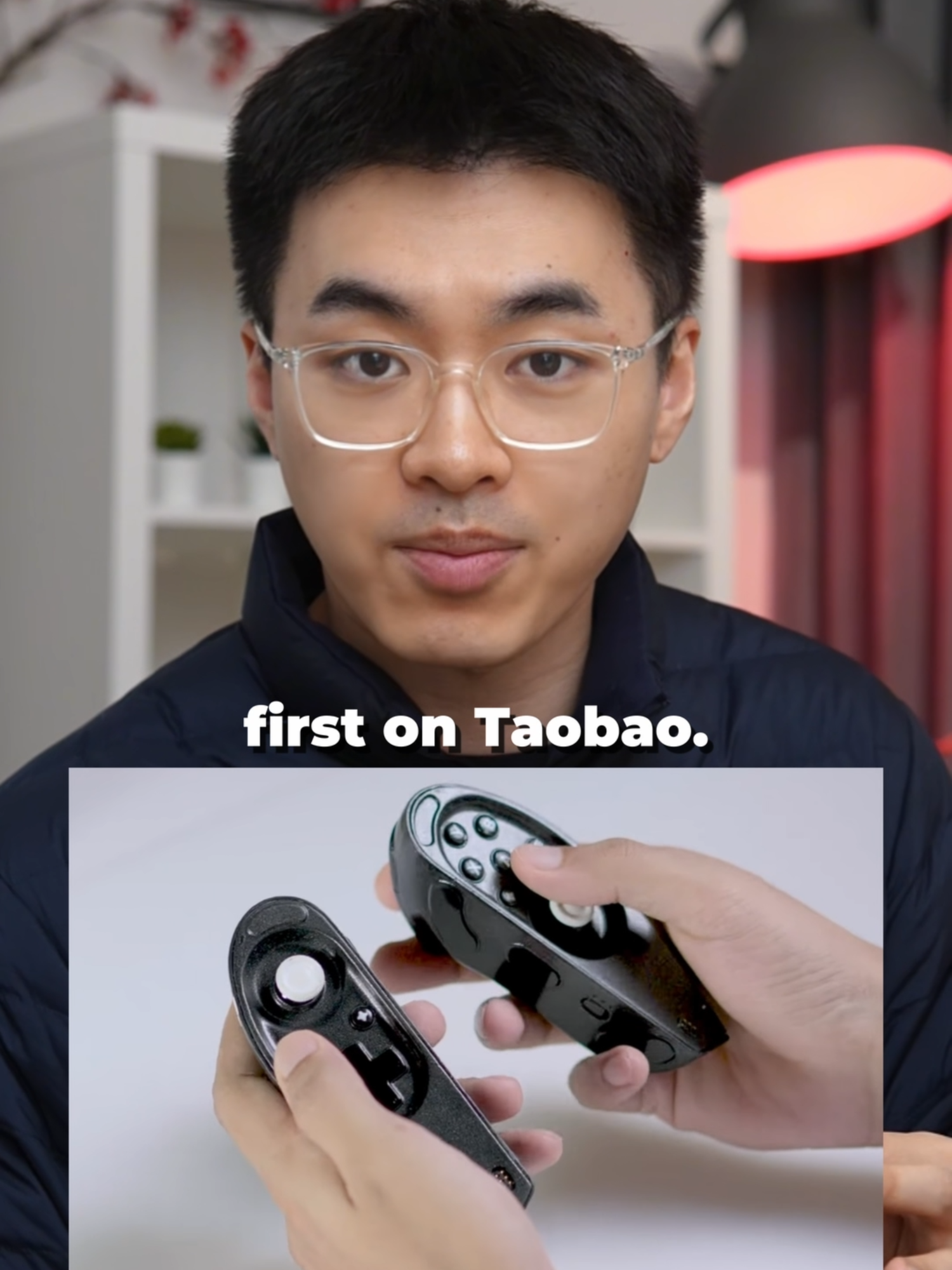
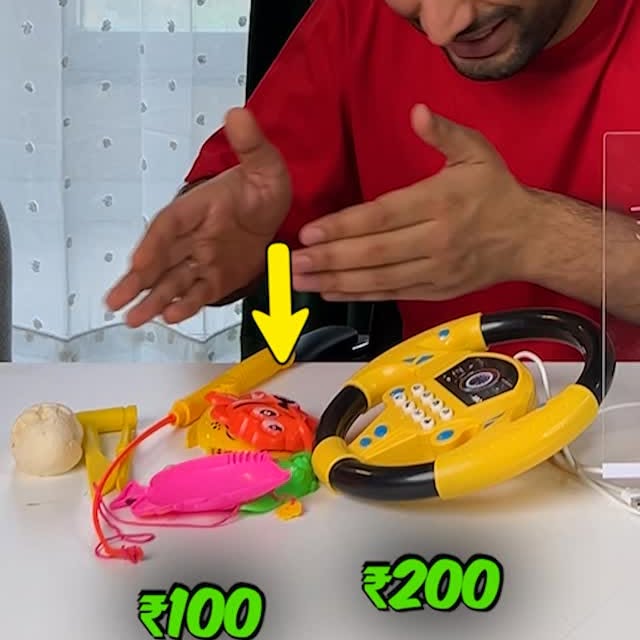
Videos framed around buying gadgets from less familiar markets, such as Thailand, China's Taobao, or Amazon's lesser-known corners, consistently outperform straightforward product reviews at similar view counts. The exotic sourcing frame adds a layer of adventure and social currency, positioning the creator as a curator who did the risky shopping so the audience does not have to. This structure also naturally justifies a multi-product format, which extends watch time and gives the algorithm more data points per video. Pairing an unfamiliar sourcing location with recognizable product categories, like gaming or home office, balances novelty with accessibility.
Analysis generated by Reelyze from 20 top-performing tech gadgets videos.