














What Makes Book Recommendation Reels and TikToks Go Viral
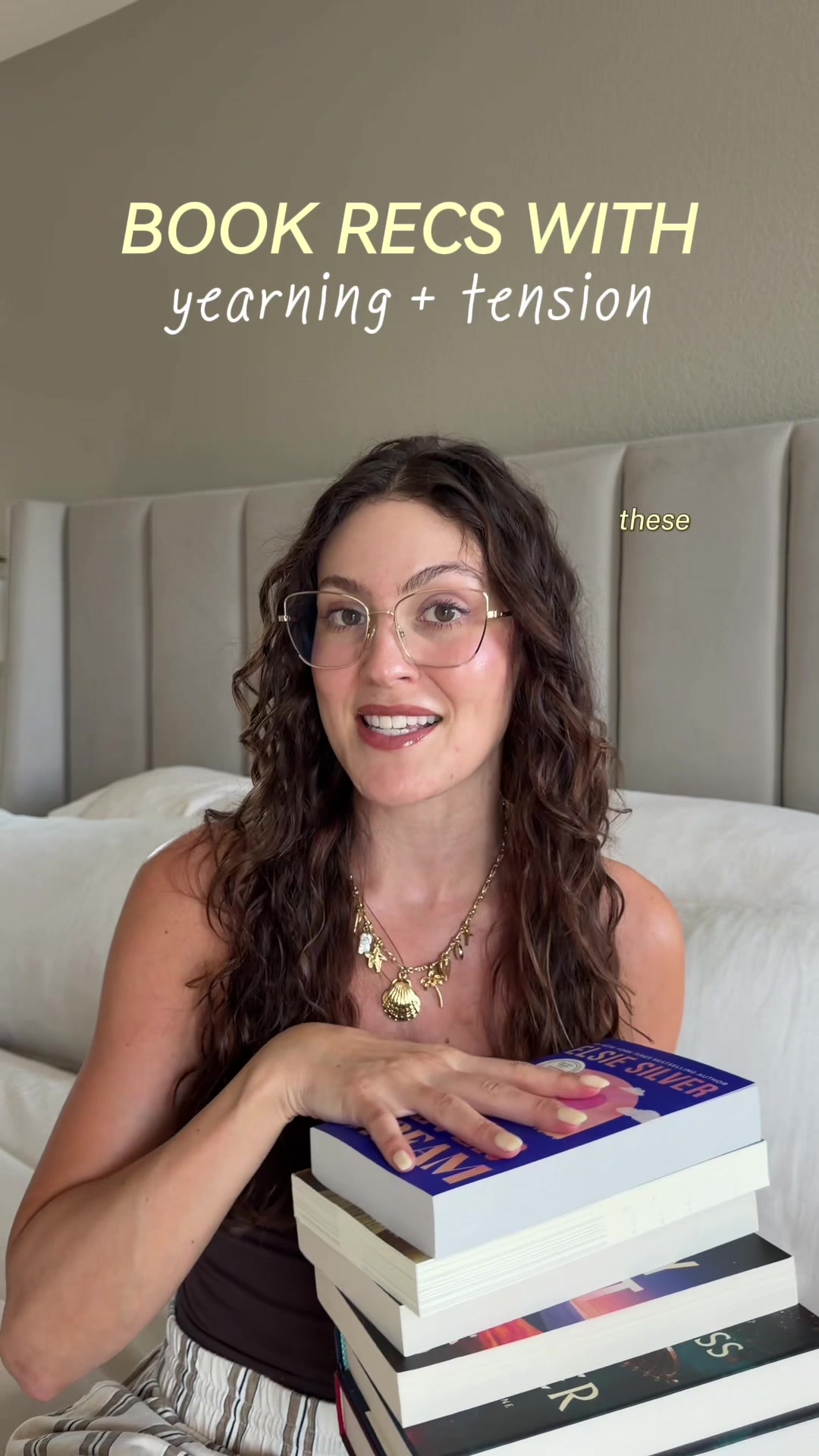
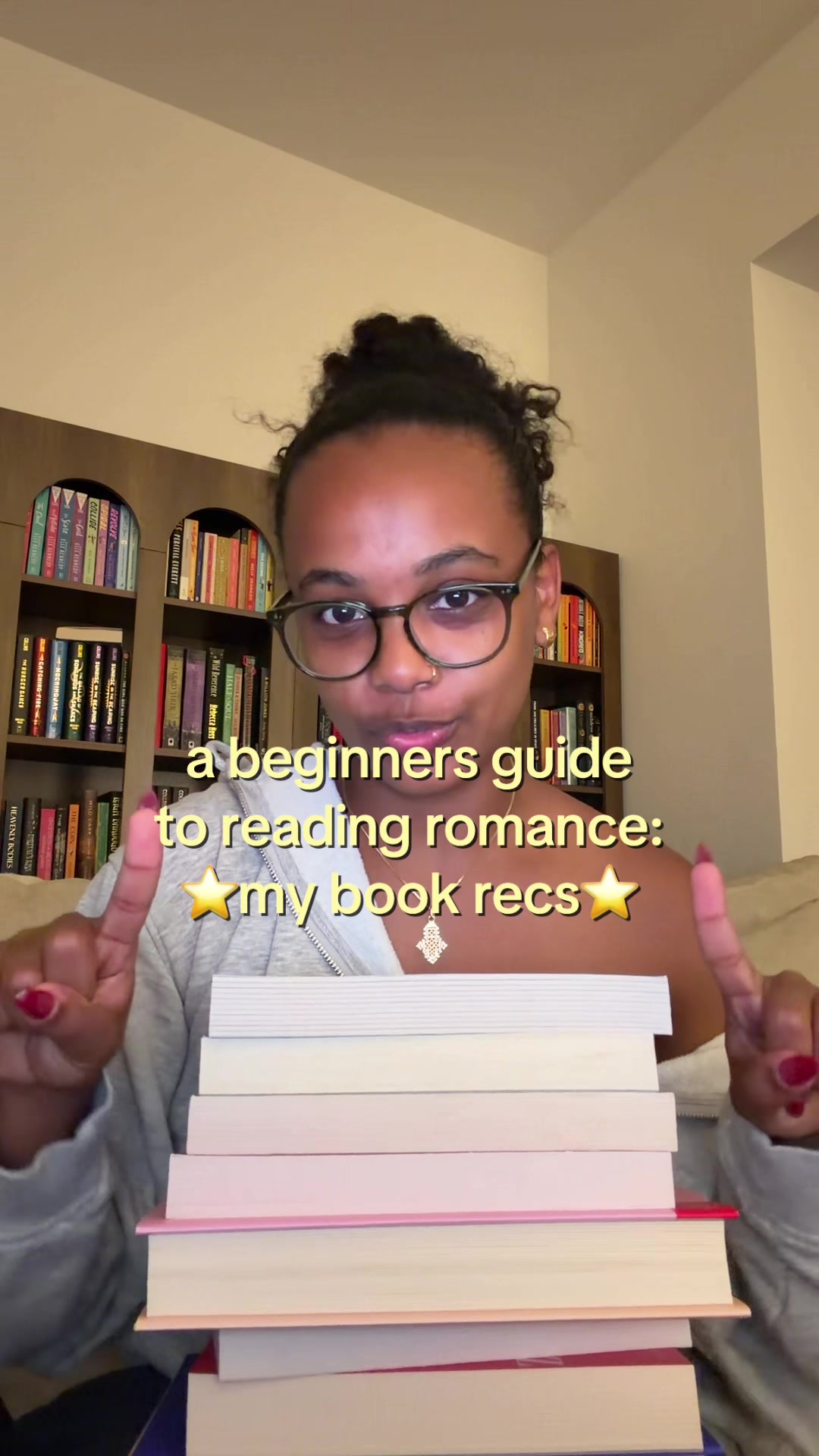
Book recommendation short-form videos thrive on a mix of strong personal conviction, community identity, and hyper-specific filtering that helps viewers self-select instantly. The highest performers lean into ranked or curated list formats paired with emotionally charged framing, turning a simple reading suggestion into a personality statement. Creators who win in this space treat their taste as a brand, inviting both agreement and debate to fuel comment section engagement.
The Conviction Hook Outperforms the Informational Hook
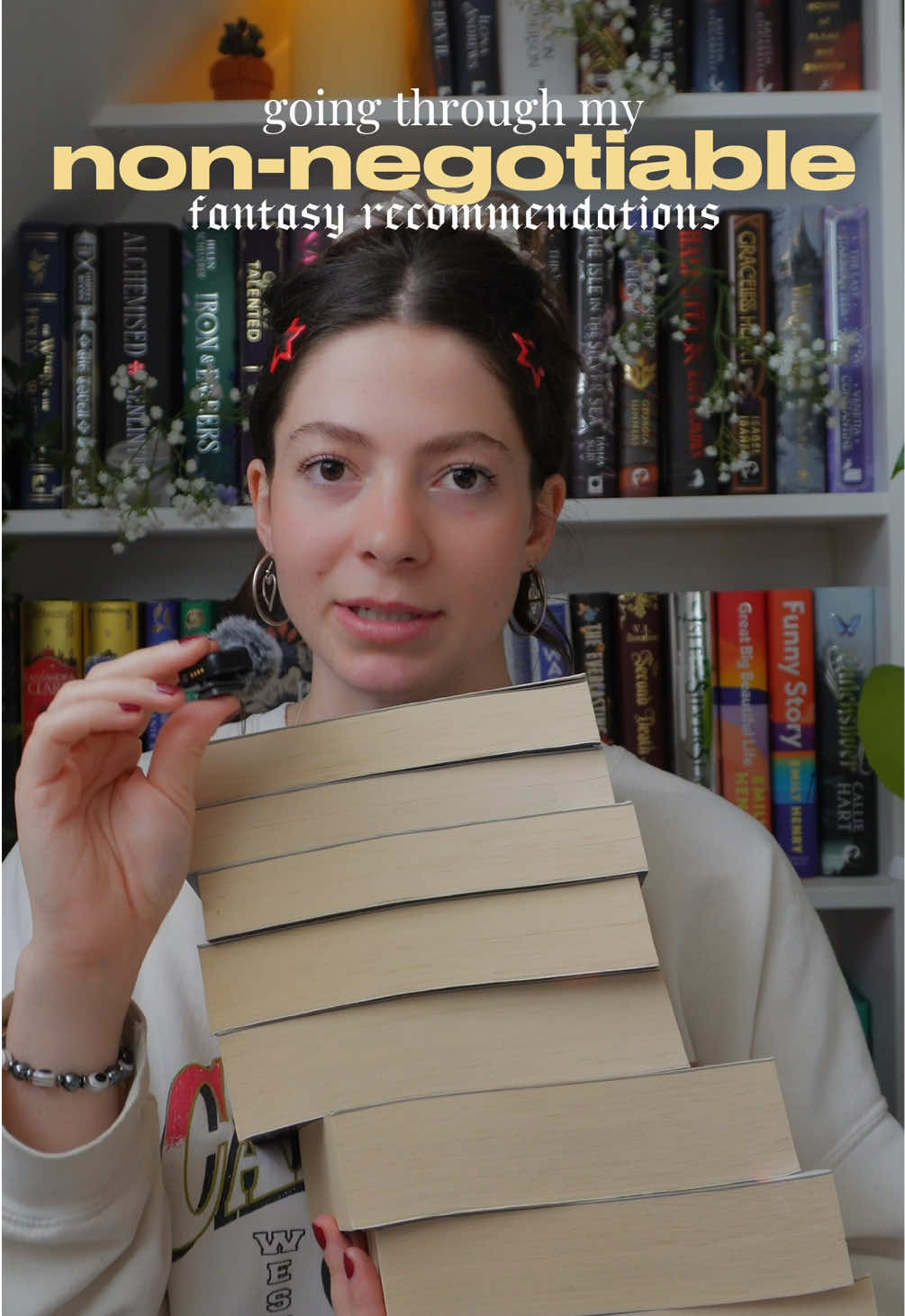
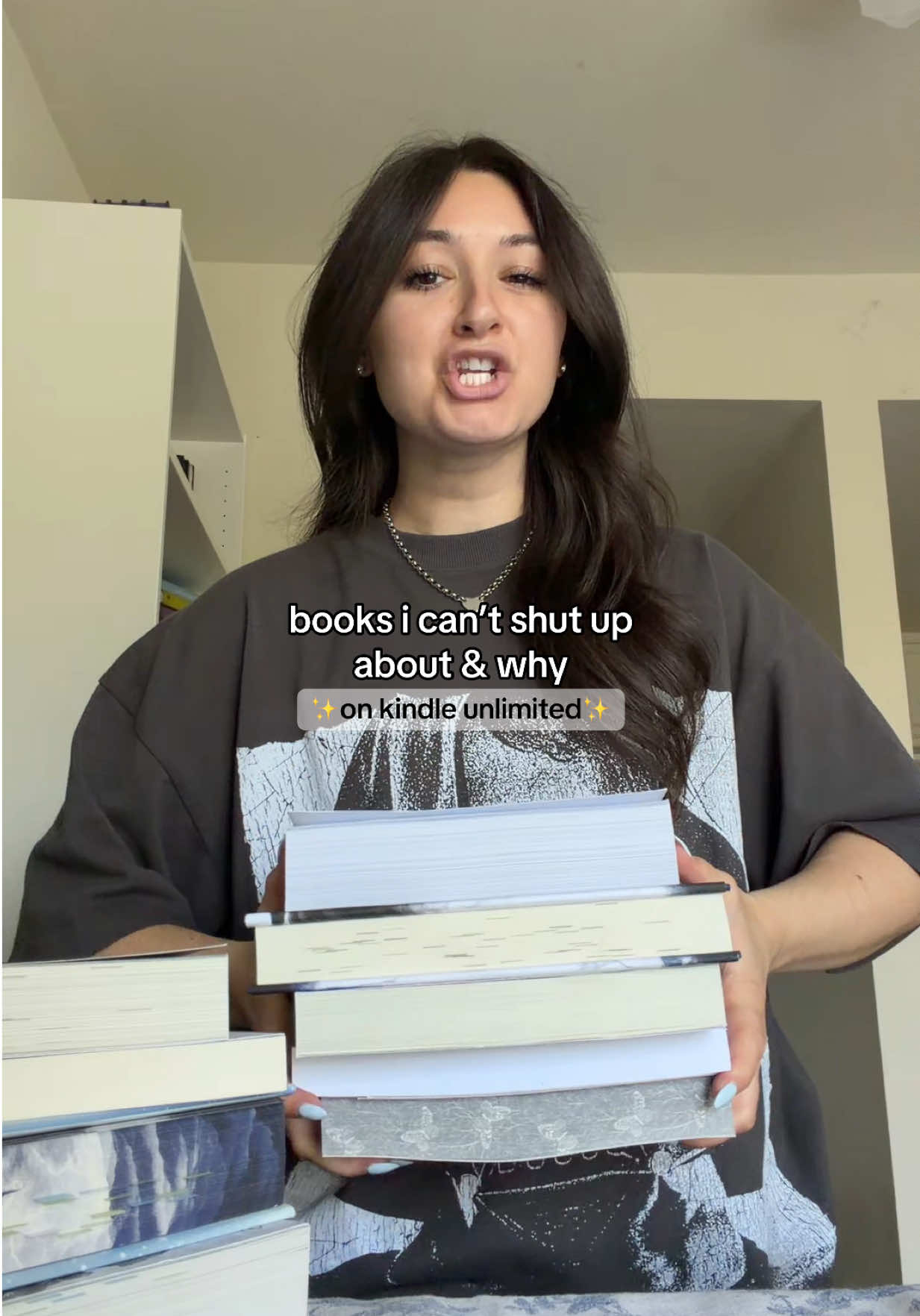
The top outlier videos open with a declaration of strong personal opinion rather than a neutral premise, using phrases that signal the creator is willing to be challenged or judged for their taste. This confrontational confidence acts as a scroll-stopper because viewers are drawn in by the implied debate, not just the information. Videos framed as 'I will die on this hill' or 'you cannot change my mind' consistently pull higher outlier multiples than straightforward recommendation lists, suggesting that emotional stakes in the hook are a primary driver of early retention. The conviction hook also seeds the comment section with respectful disagreement, which is one of the most reliable engagement multipliers on algorithmic platforms.
Quantified Credibility Unlocks Trust at Scale
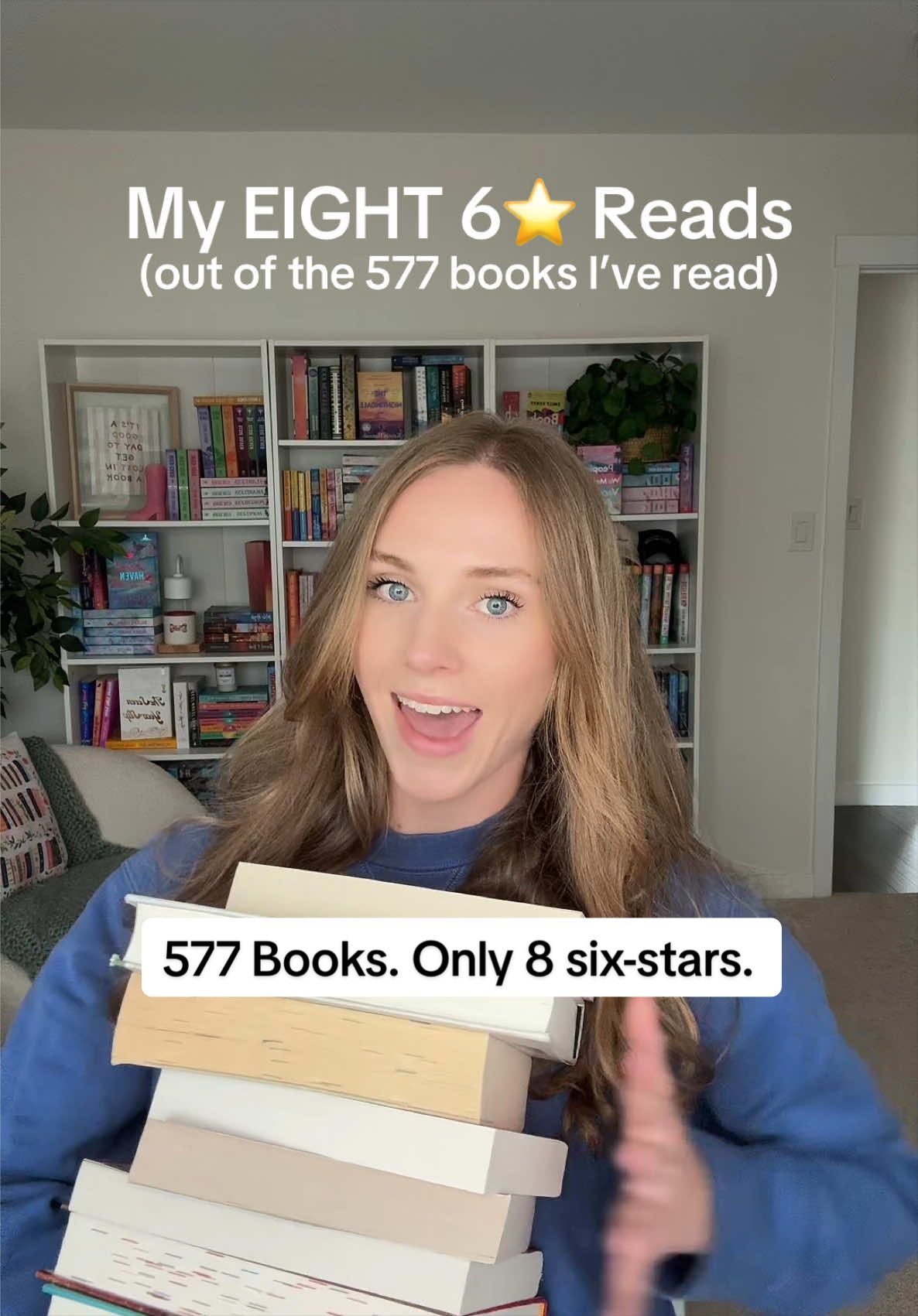
Several high-performing videos anchor their authority with a specific number, such as total books read or an exact count of top-rated picks, rather than vague superlatives. Citing a precise reading volume signals that the creator has a large enough sample size to make meaningful distinctions, which elevates the recommendation above casual opinion. This tactic also creates a natural curiosity gap because viewers want to know which titles made the cut out of hundreds. The more specific and verifiable the number feels, the more viewers treat the creator as a credible curator rather than just another fan.
Identity-Based Filtering Drives Saves and Shares
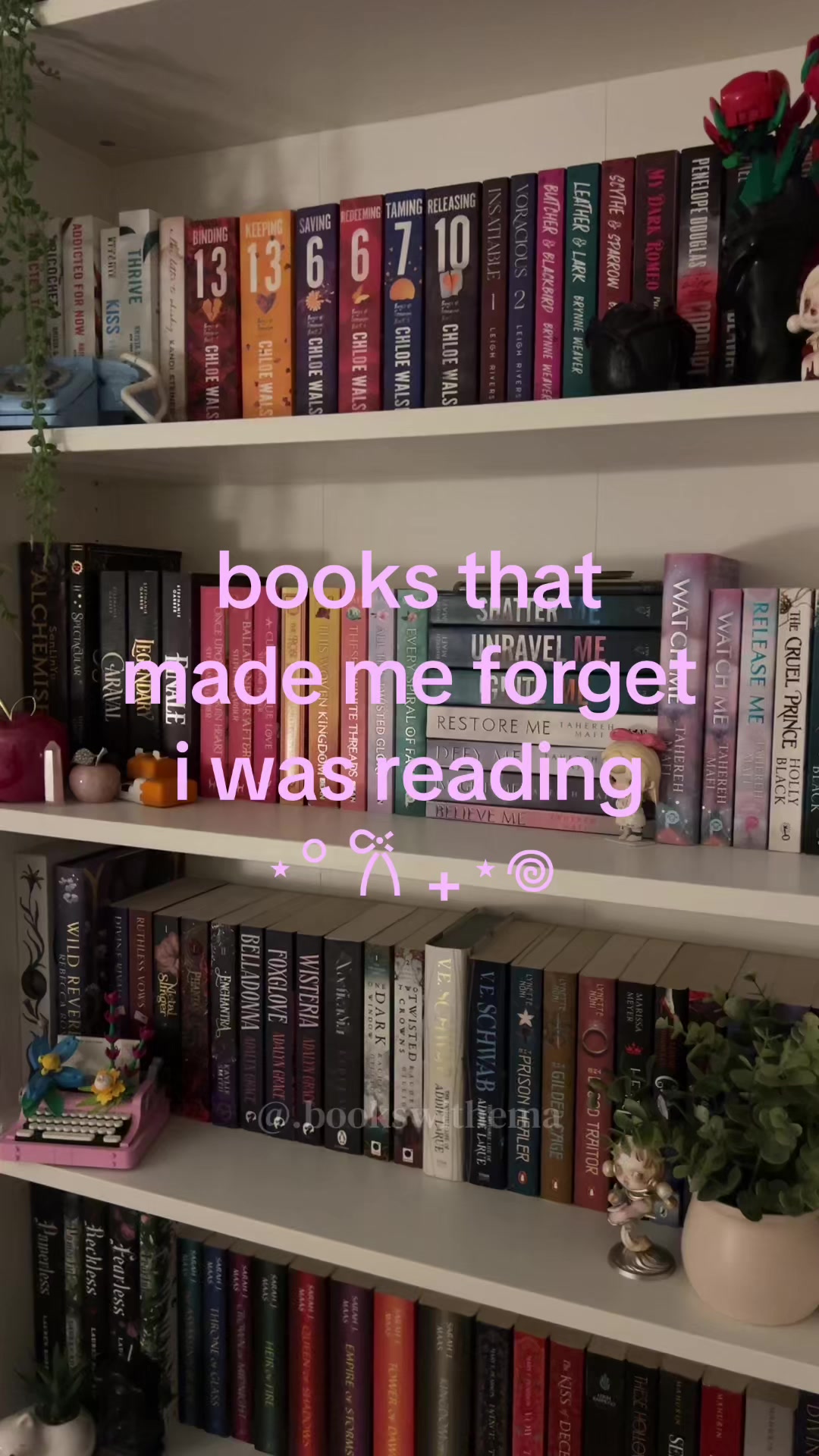
High-saving videos use audience identity as an organizing principle, grouping books around reader archetypes, emotional states, or personality traits rather than genre alone. Framing recommendations for 'the mentally unwell,' 'the emotionally unhinged,' or 'the emo girly' instantly signals to a specific subset of viewers that this content was made for them, which dramatically increases save rates. This identity-first structure also makes the video highly shareable because viewers tag friends who fit the archetype, extending organic reach beyond the original audience. The specificity of the identity filter paradoxically widens appeal by making individual viewers feel seen.
Tier Rankings and List Formats Generate Repeat Viewing
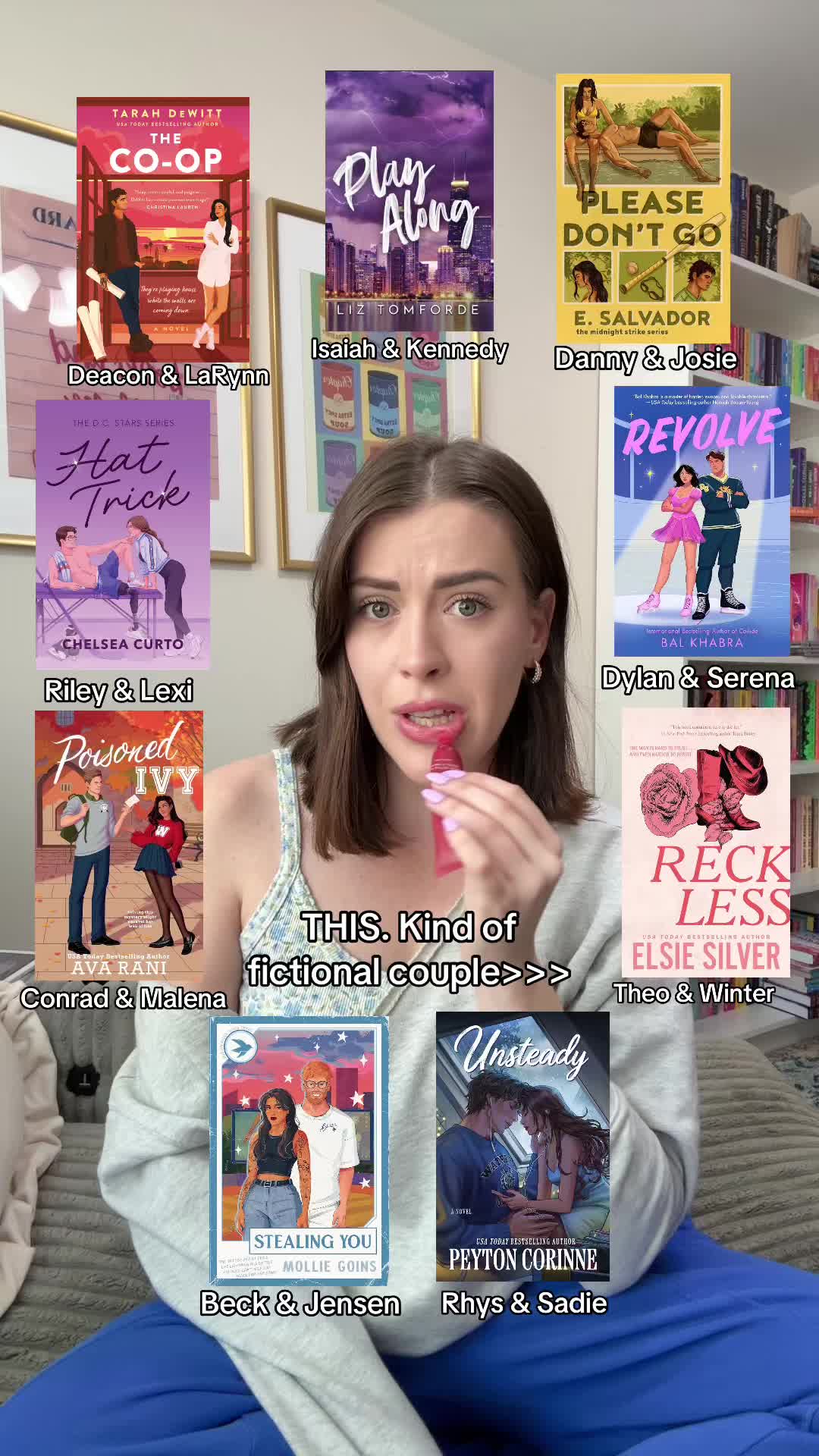
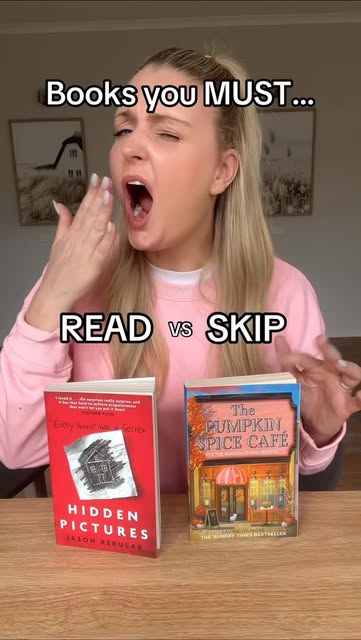
Ranking and tiering formats, whether sorting by star rating, must-read versus skip, or spice level, consistently appear among the highest view-count videos regardless of outlier multiple. These formats reward multiple viewings because viewers want to pause and evaluate each entry against their own reading history, which signals strong content quality to the algorithm. The 'save for later' behavior is baked into the format itself since ranked lists serve a practical reference function long after the initial watch. Tier-based structures also generate comment-section activity naturally, as viewers debate placements and advocate for their favorites.
Trend and Fandom Attachment Borrows Existing Audience Momentum
Videos that attach book recommendations to an already-viral cultural moment, such as a popular TV adaptation or a trending author, benefit from search traffic and cross-platform discovery that purely original content cannot access. These videos do not simply ride a trend passively; the best performers add a layer of personal curation or comparative judgment on top of the cultural hook, which keeps the content feeling authentic rather than opportunistic. The combination of an external hype cycle and internal creator voice produces a flywheel effect where new viewers arrive from the trend and stay for the personality. This format works best when the creator has a clear point of view on the source material rather than just naming it.
Analysis generated by Reelyze from 20 top-performing book recommendations videos.