






What Makes Interior Design Short-Form Videos Go Viral
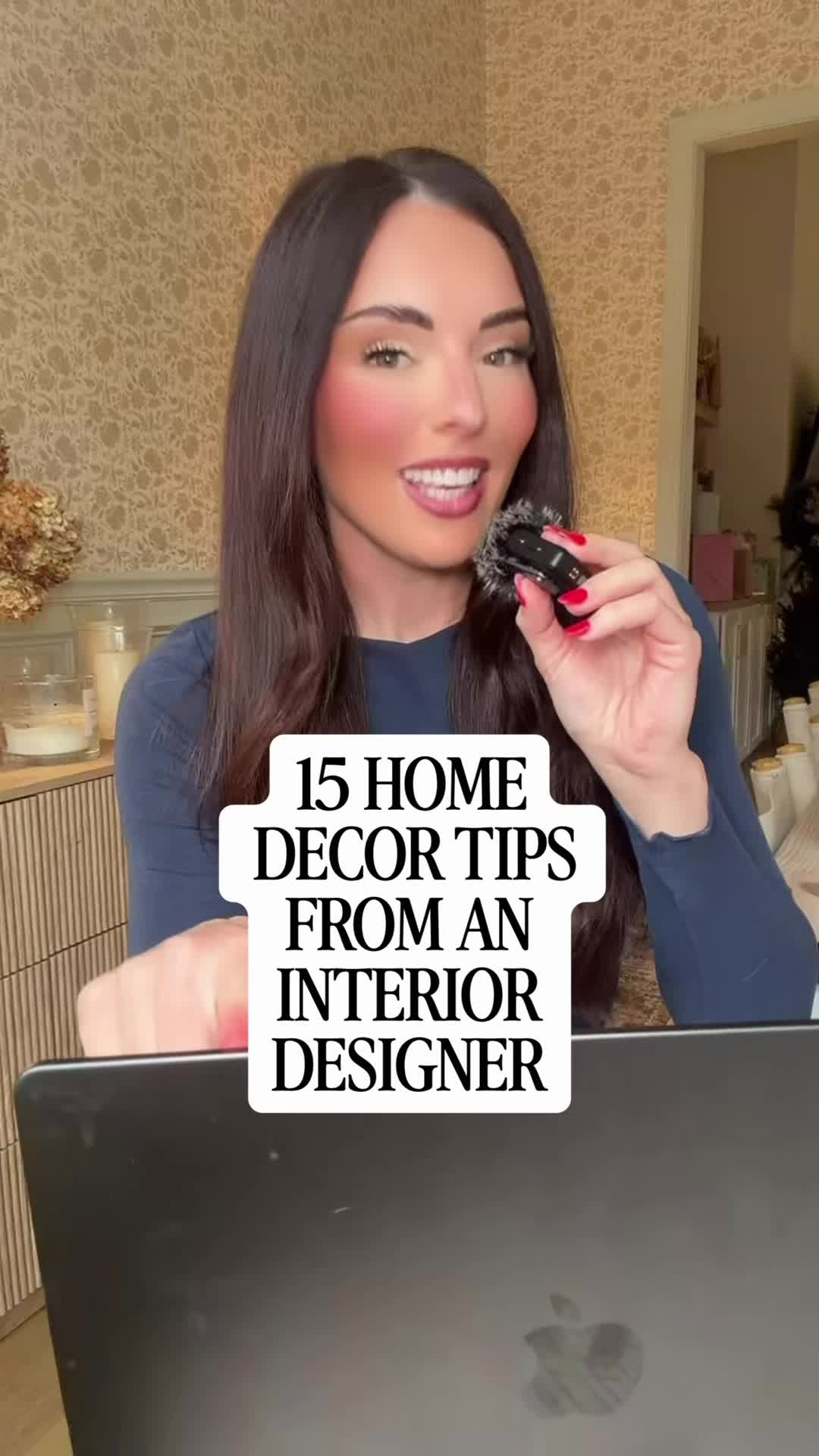
Interior design short-form videos consistently win when they combine a relatable spatial problem with a satisfying visual payoff, all delivered within the first second or two of the clip. The highest outlier multiples cluster overwhelmingly around small-space content, suggesting that scarcity and constraint are more emotionally charged than abundance for this audience. Creators who frame design as a solution to a universal frustration, rather than an aspirational lifestyle showcase, dominate engagement across languages and regions.
The Small-Space Hook Is the Dominant Unlock
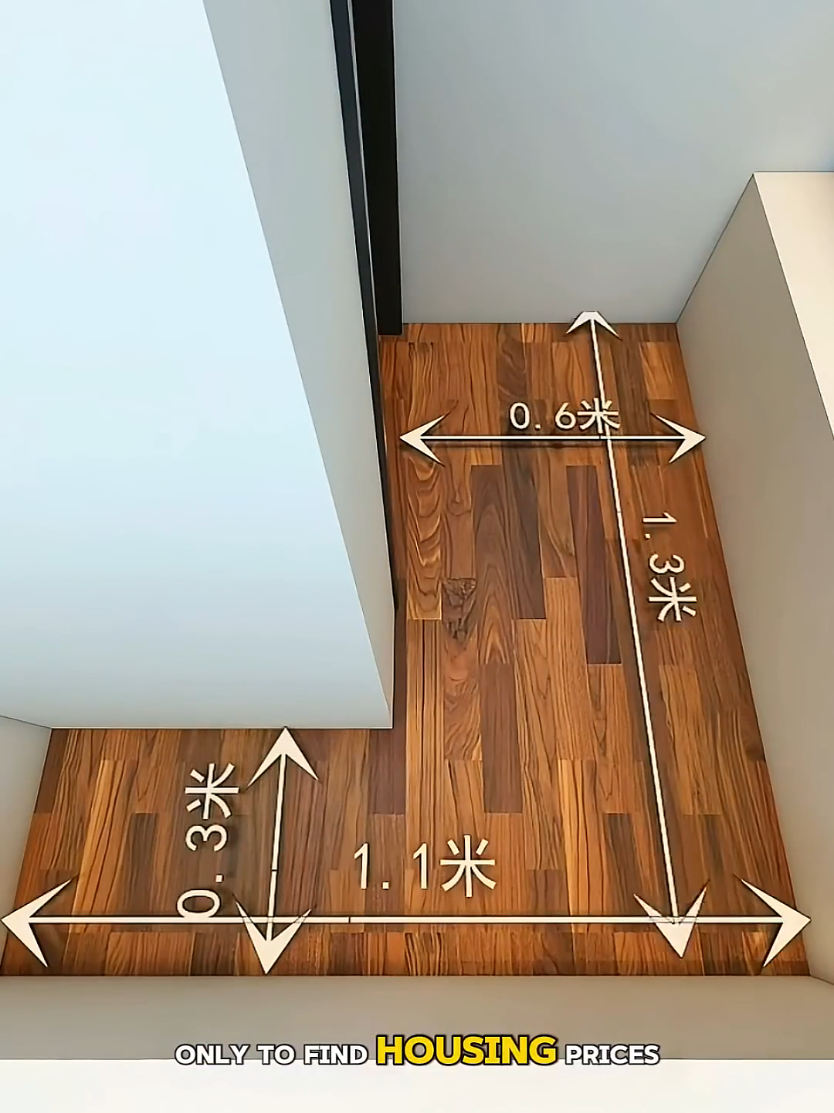
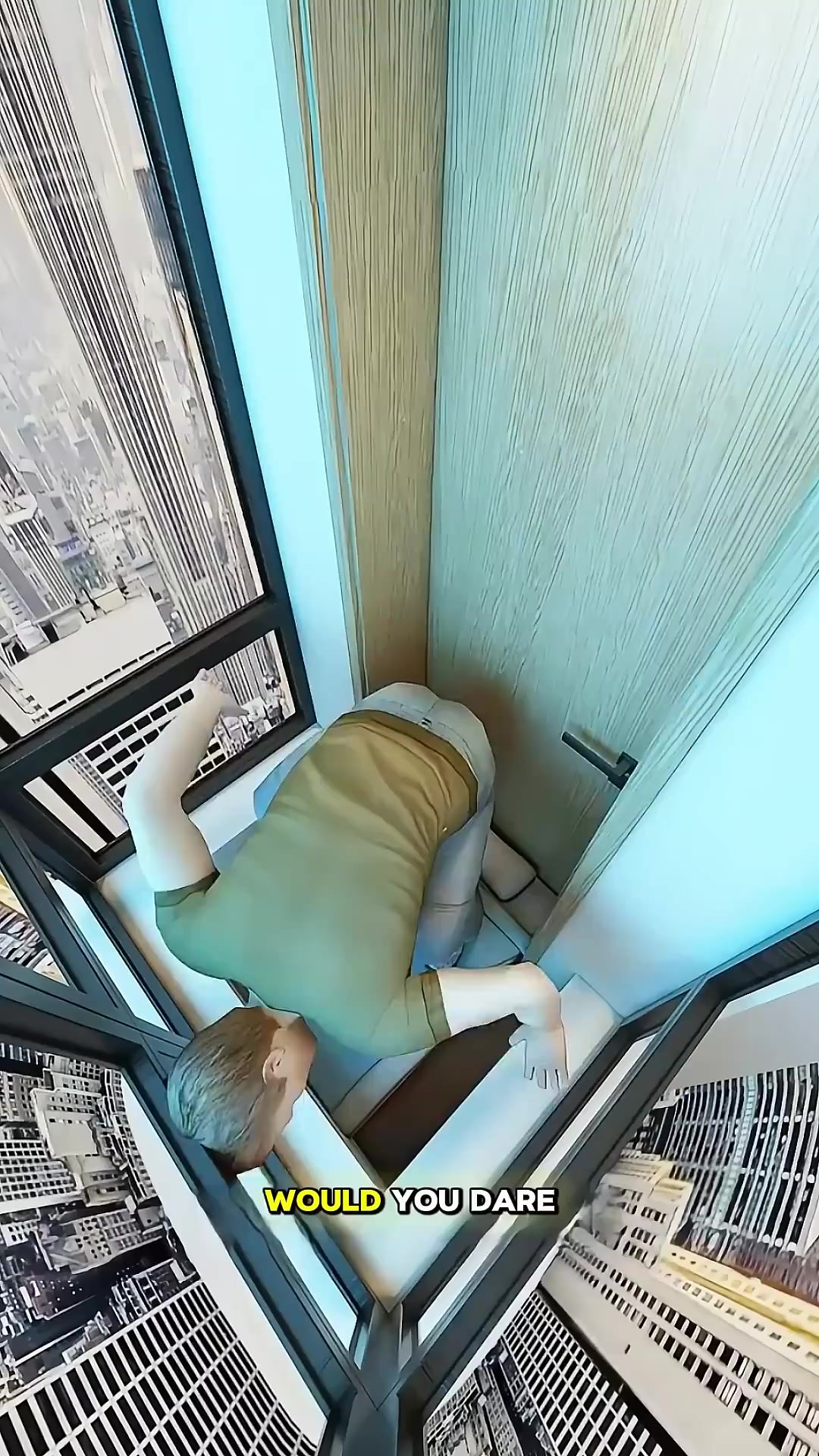
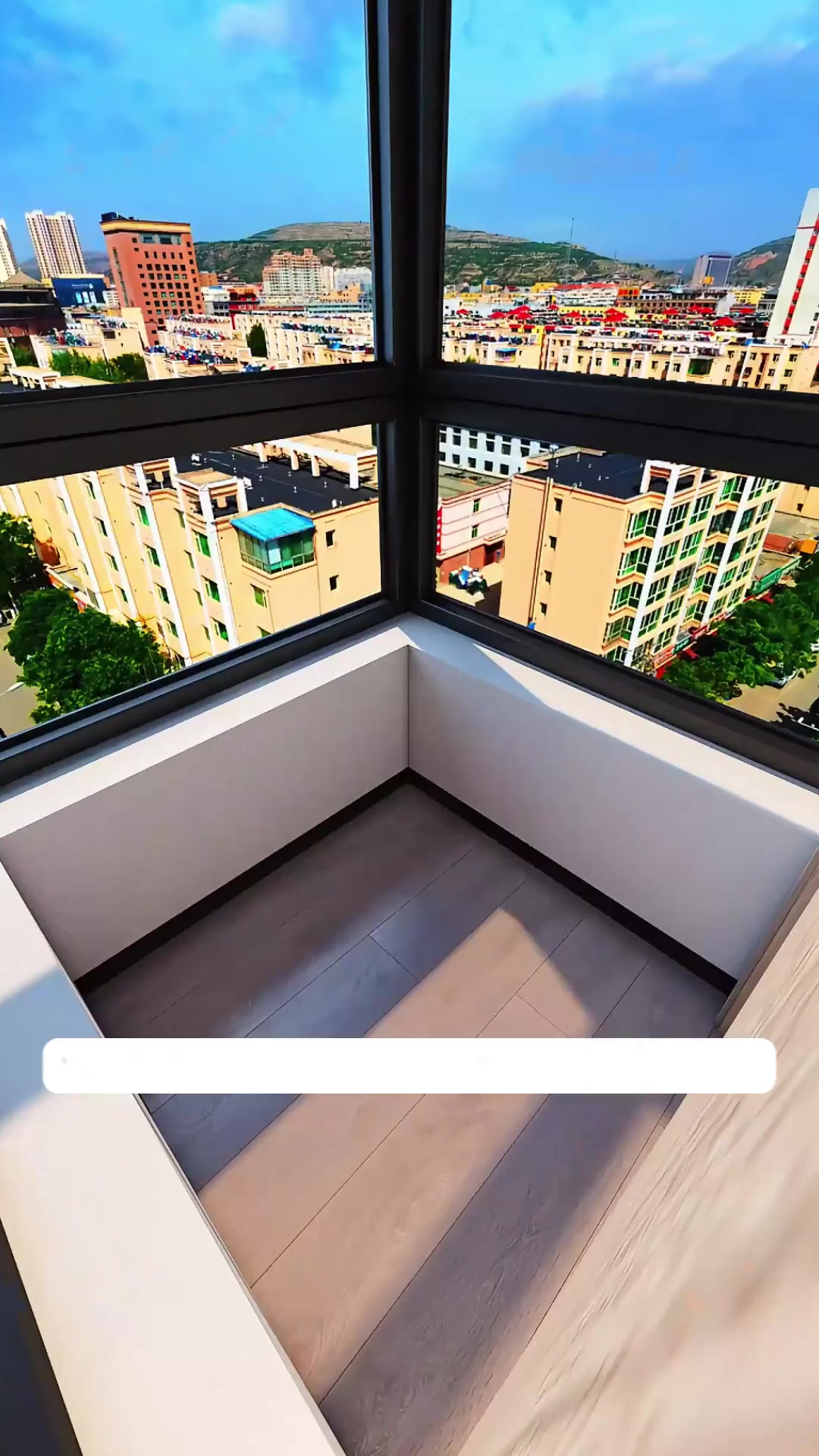
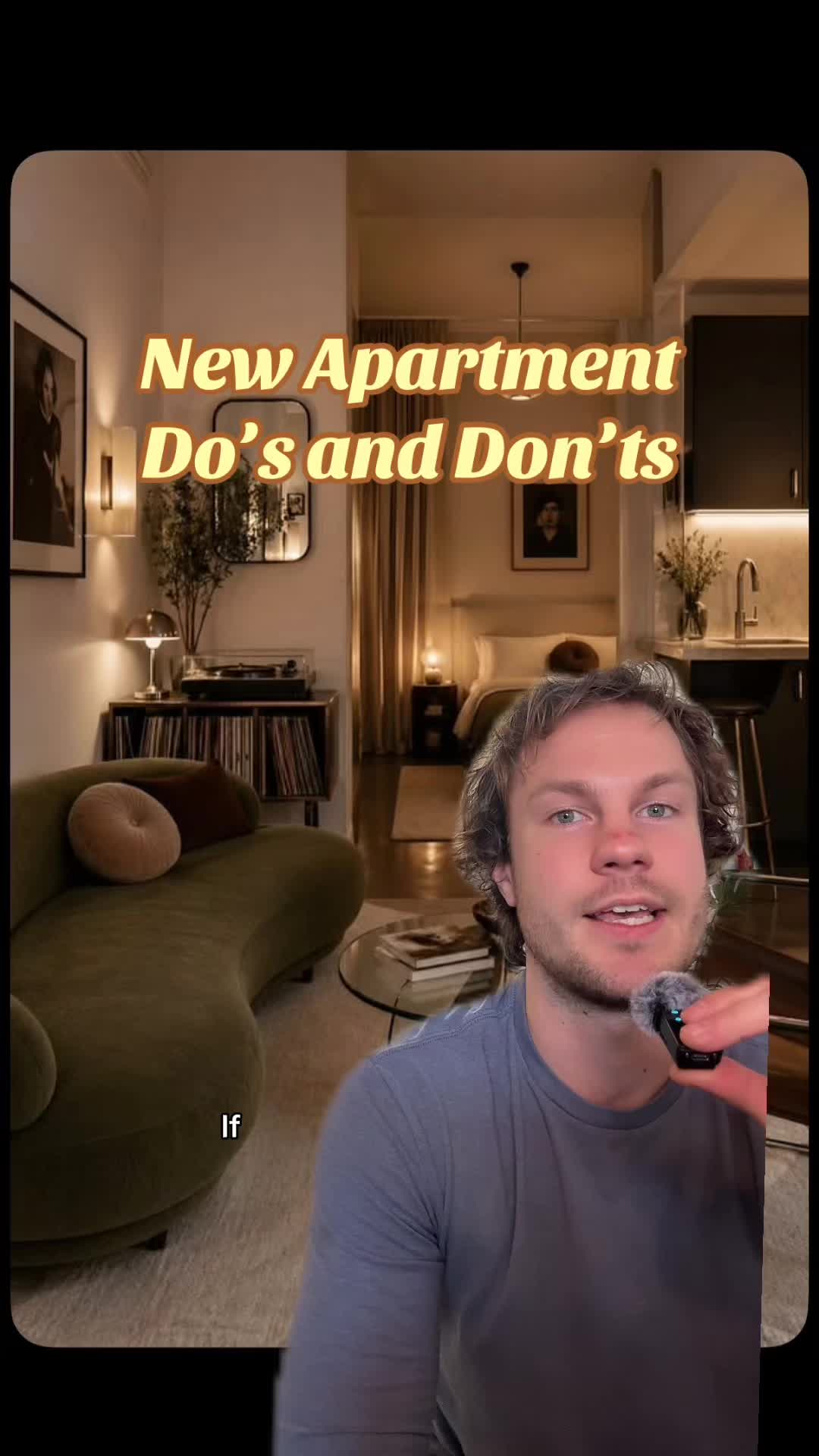
Four of the top five performing videos in this dataset center on compact or tiny living, and the top outlier at nearly 79x average reach leads with the word 'Tiny' before any other information. This is not coincidental. Small-space content converts passive scrollers into engaged viewers because it triggers an immediate personal identification, nearly every viewer has either lived in, visited, or fears living in a cramped space. The most effective hooks in this category pair a problem statement with a visual or verbal promise of a dramatic reversal, setting up the transformation tension that keeps viewers watching through to the end.
Transformation and Before-After Structure Drive Completion Rates
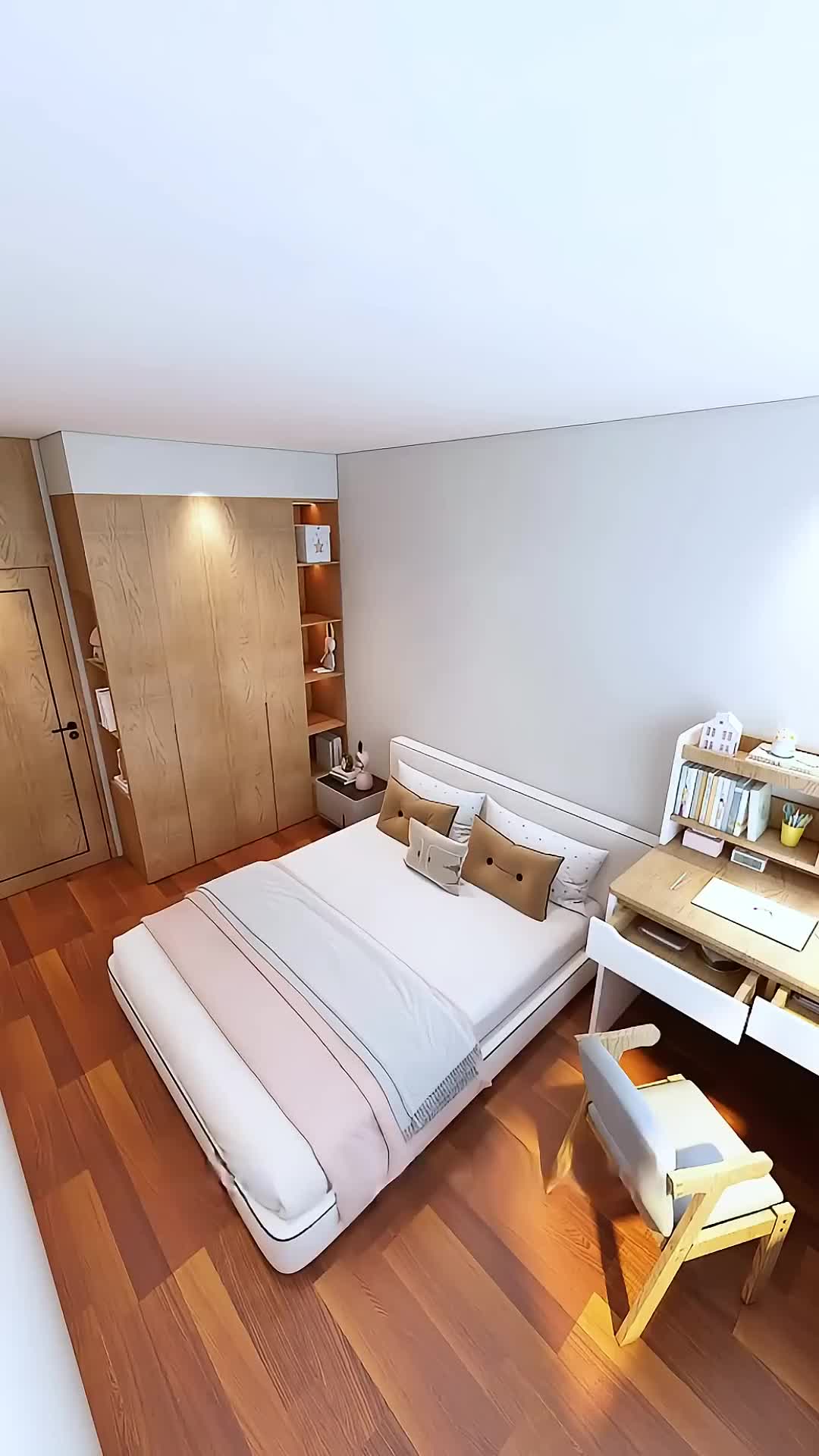
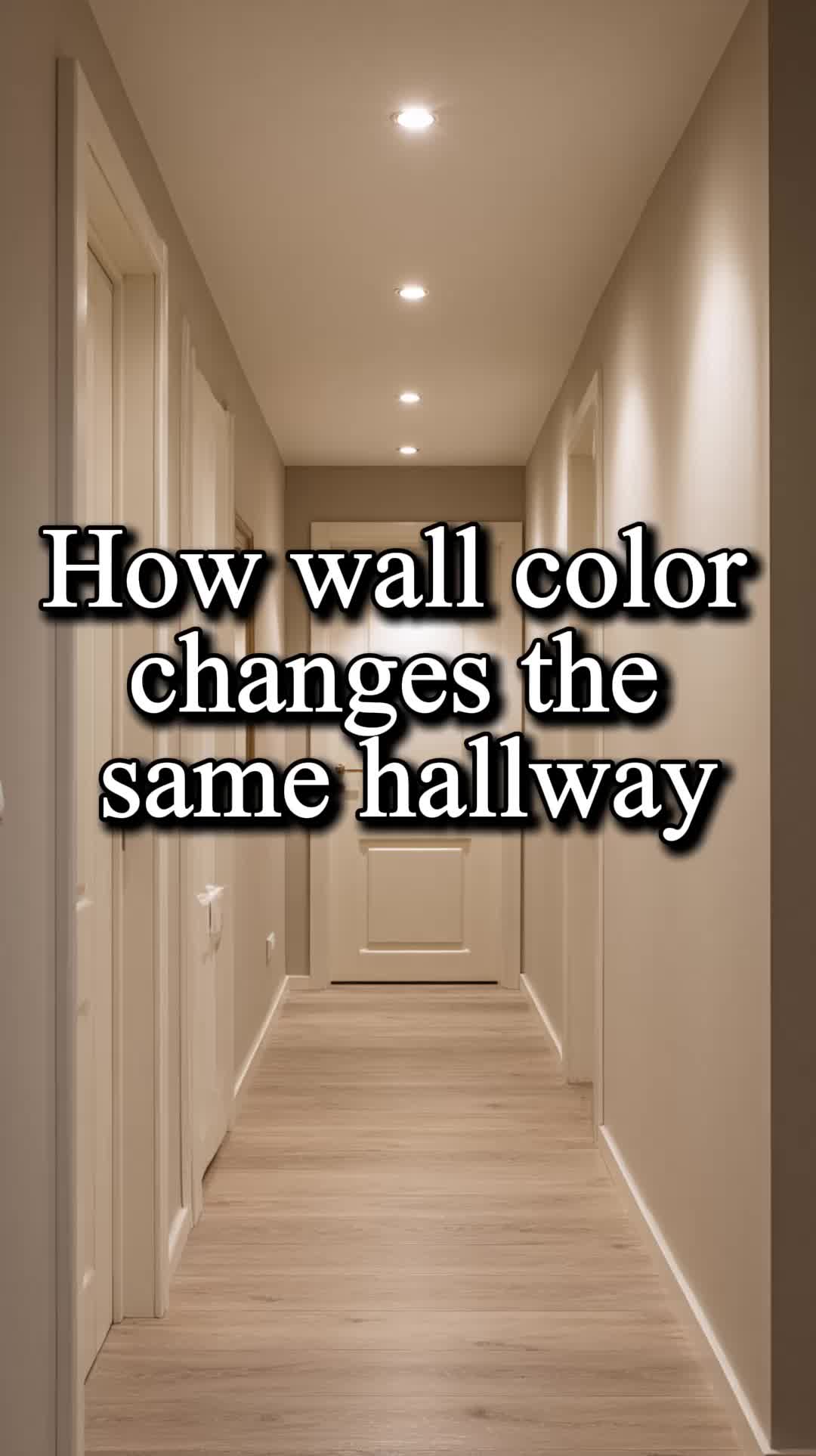
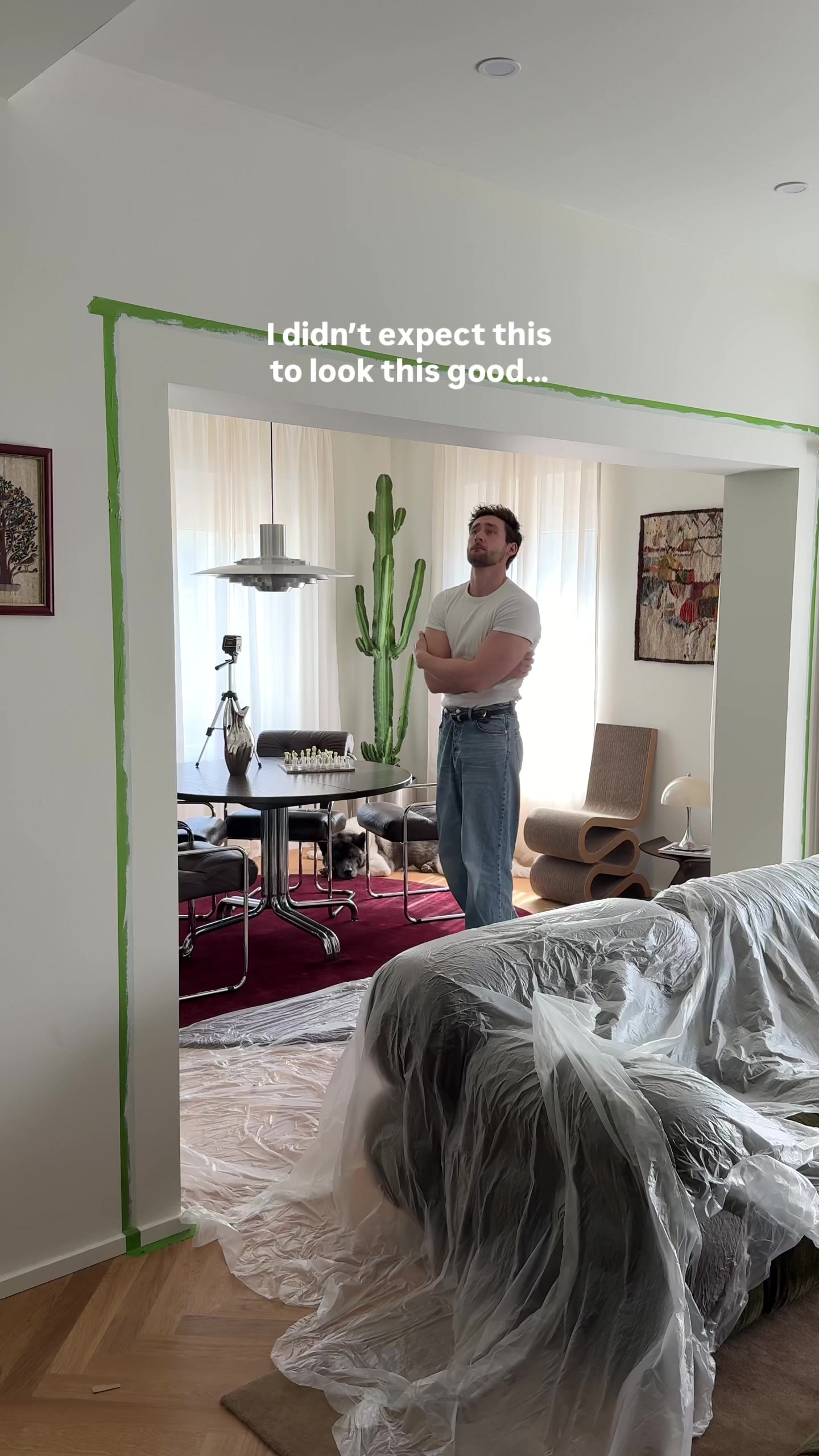
The format that recurs most reliably among the top performers is a reveal arc, where the viewer is shown a limited, unappealing, or bare starting point and pulled toward a finished, elevated result. Even non-makeover videos borrow this structure conceptually, such as the wall color experiment video at 14.45x, which frames identical spaces with different treatments as a kind of controlled before-after test. This structure works because it manufactures a destination within a short runtime, giving the viewer a reason to stay rather than scroll. Creators who skip the 'before' and open on the polished result lose the narrative tension that fuels watch-through.
Single-Variable Design Experiments Generate Outsized Curiosity
One of the most analytically interesting outliers in this set is the wall color hallway experiment, which isolates one design variable across an otherwise identical space. This format is powerful because it removes overwhelm and teaches something concrete and transferable in under a minute. Viewers can immediately imagine applying the lesson to their own home, which drives saves and shares more than pure aesthetic content does. Creators who package design education as a controlled experiment, rather than a general tips list, earn much higher retention because the format creates a testable hypothesis the viewer wants to see resolved.
AI and Tech Integration Is an Emerging High-Velocity Topic
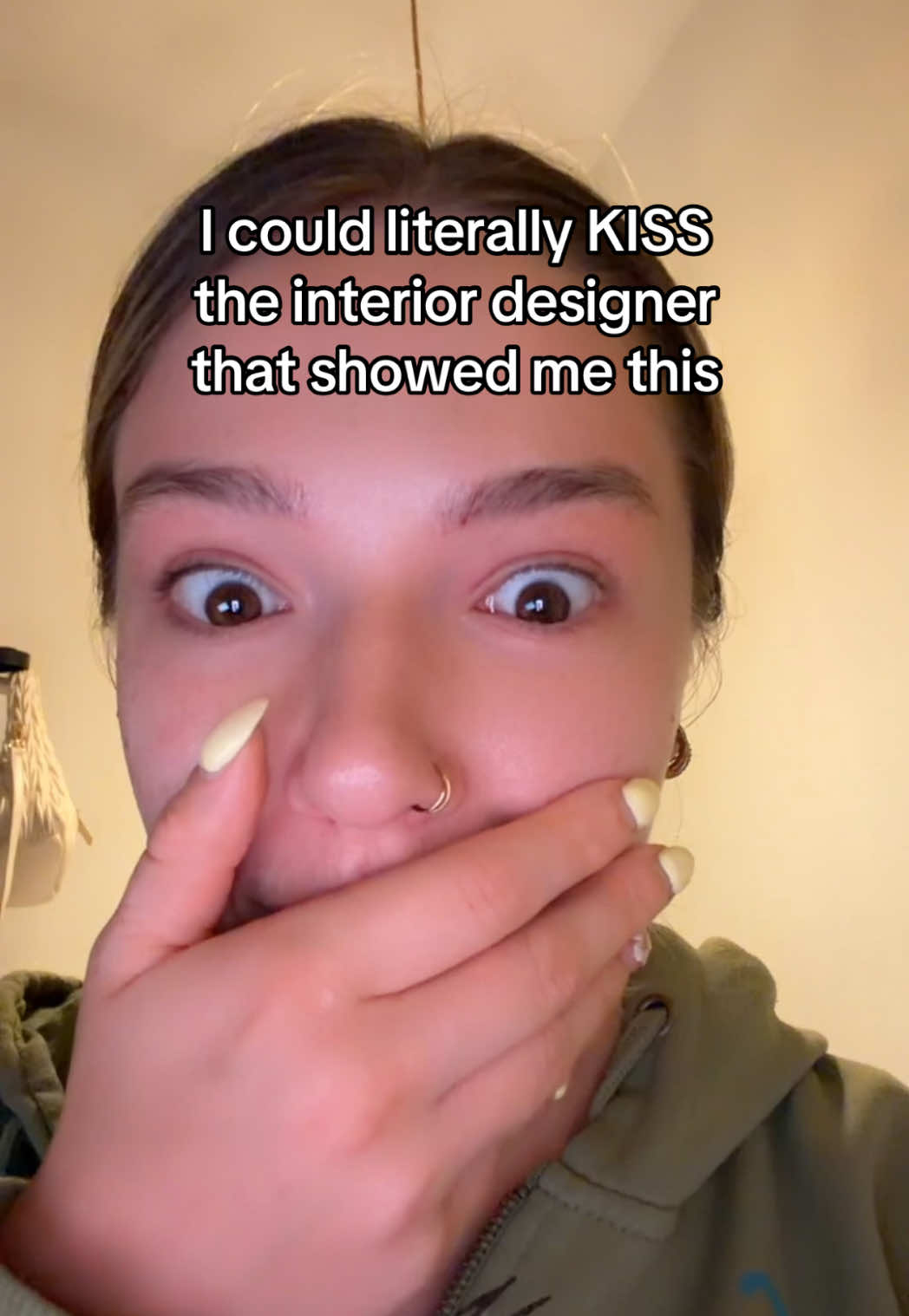
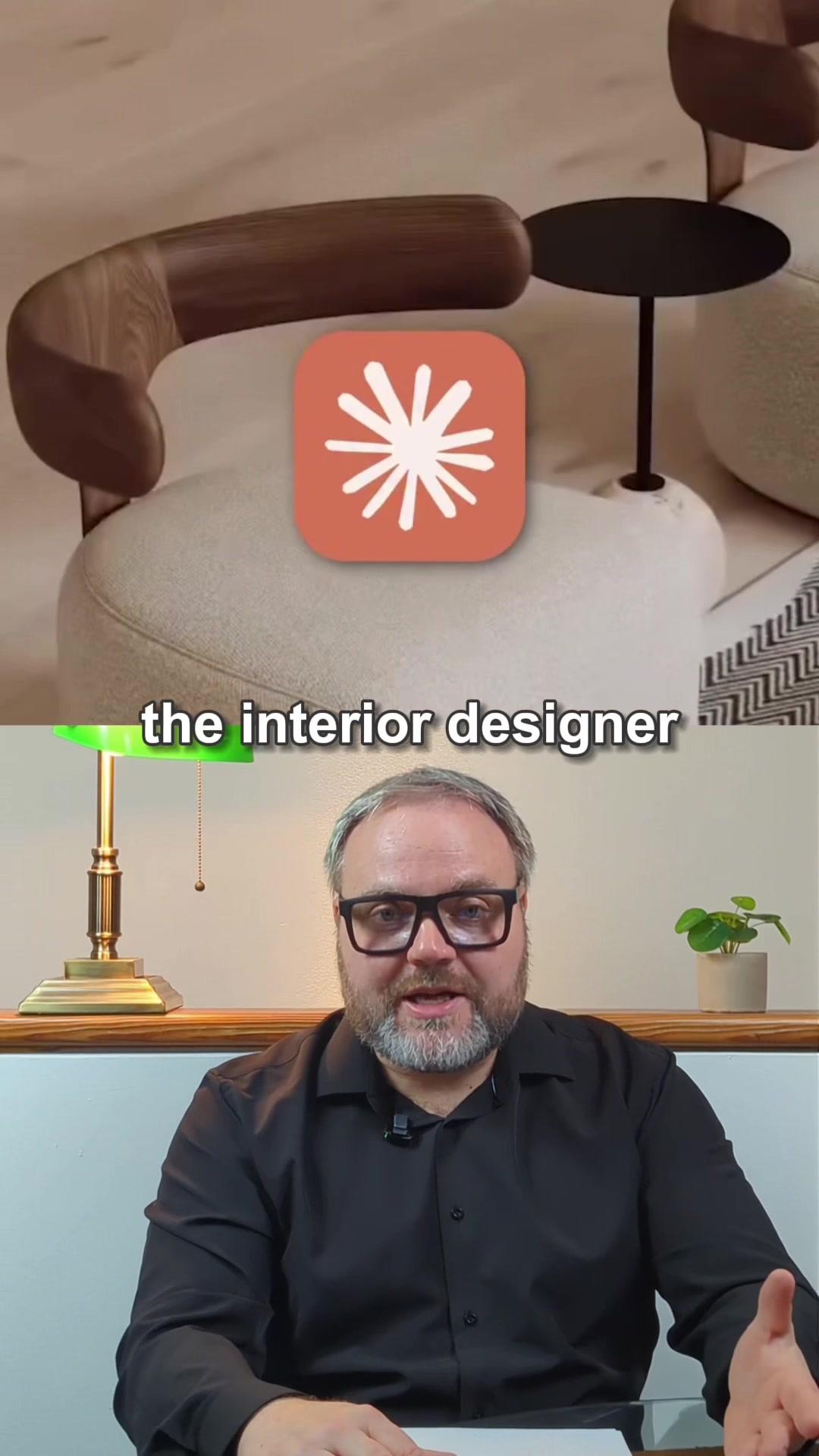
Two videos in this dataset reference AI design tools and both exceed 6x average performance, with one reaching nearly 13x. This signals that the intersection of interior design and AI is still in an early-adopter attention window, where curiosity and novelty are doing much of the algorithmic heavy lifting. The hooks in these videos use the language of capability and surprise, implying that the tool does something the viewer assumed required professional expertise. Creators in this niche who position AI as a design democratizer rather than a gimmick are finding an audience that overlaps between home improvement intent and tech curiosity, a broader addressable pool than design enthusiasts alone.
Aspirational Lifestyle Content Underperforms Relative to Problem-Solving Content
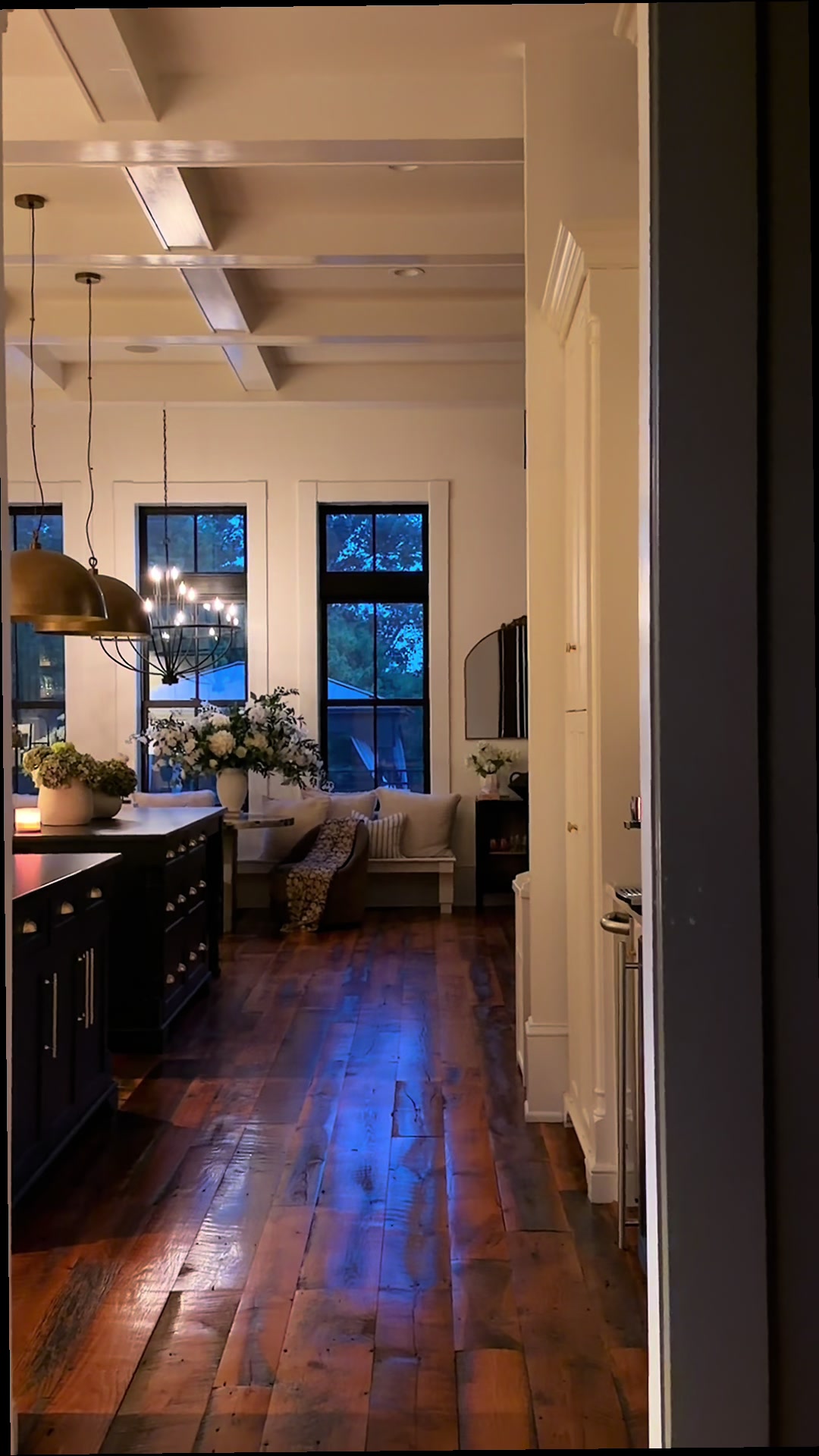
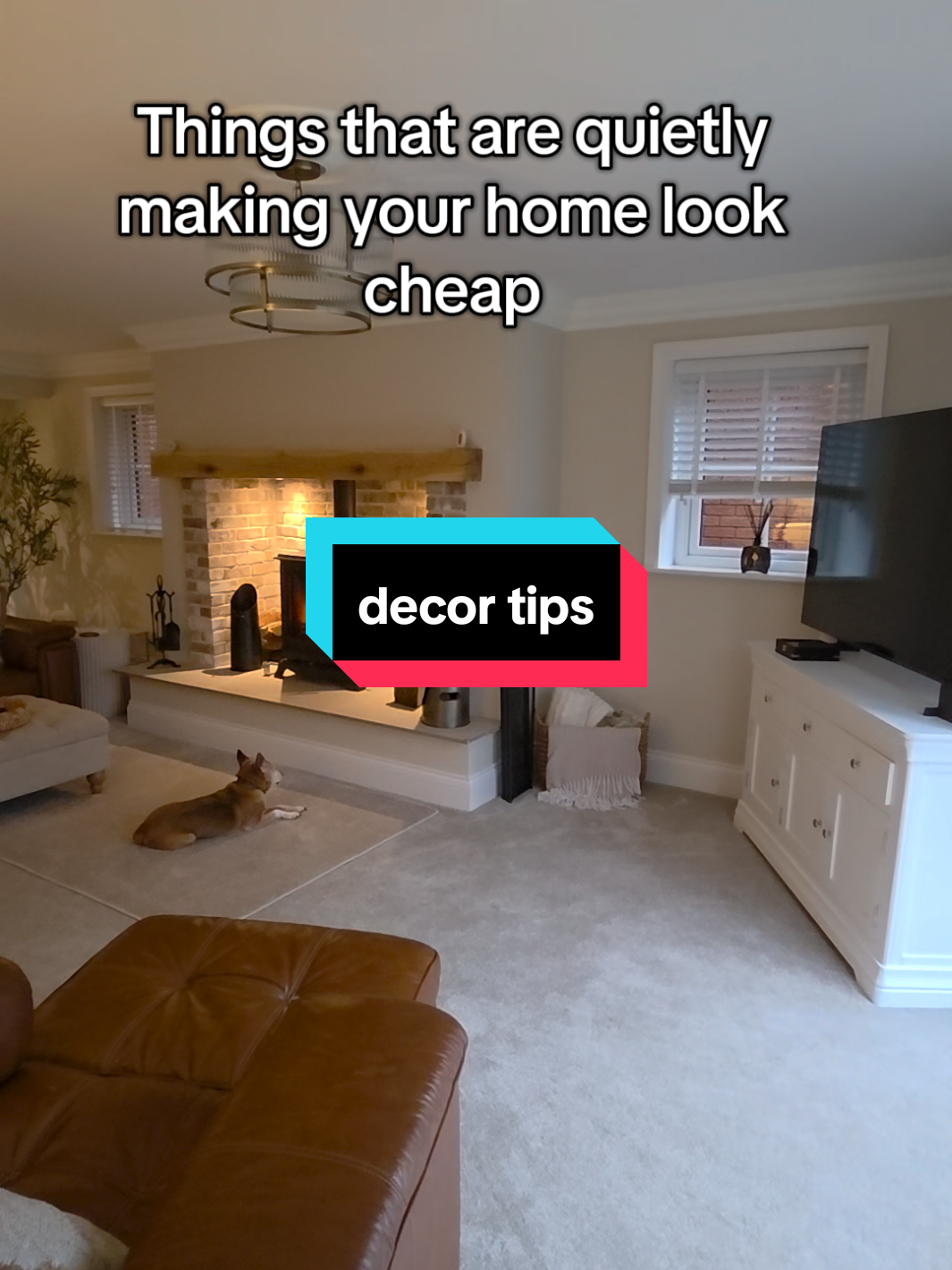
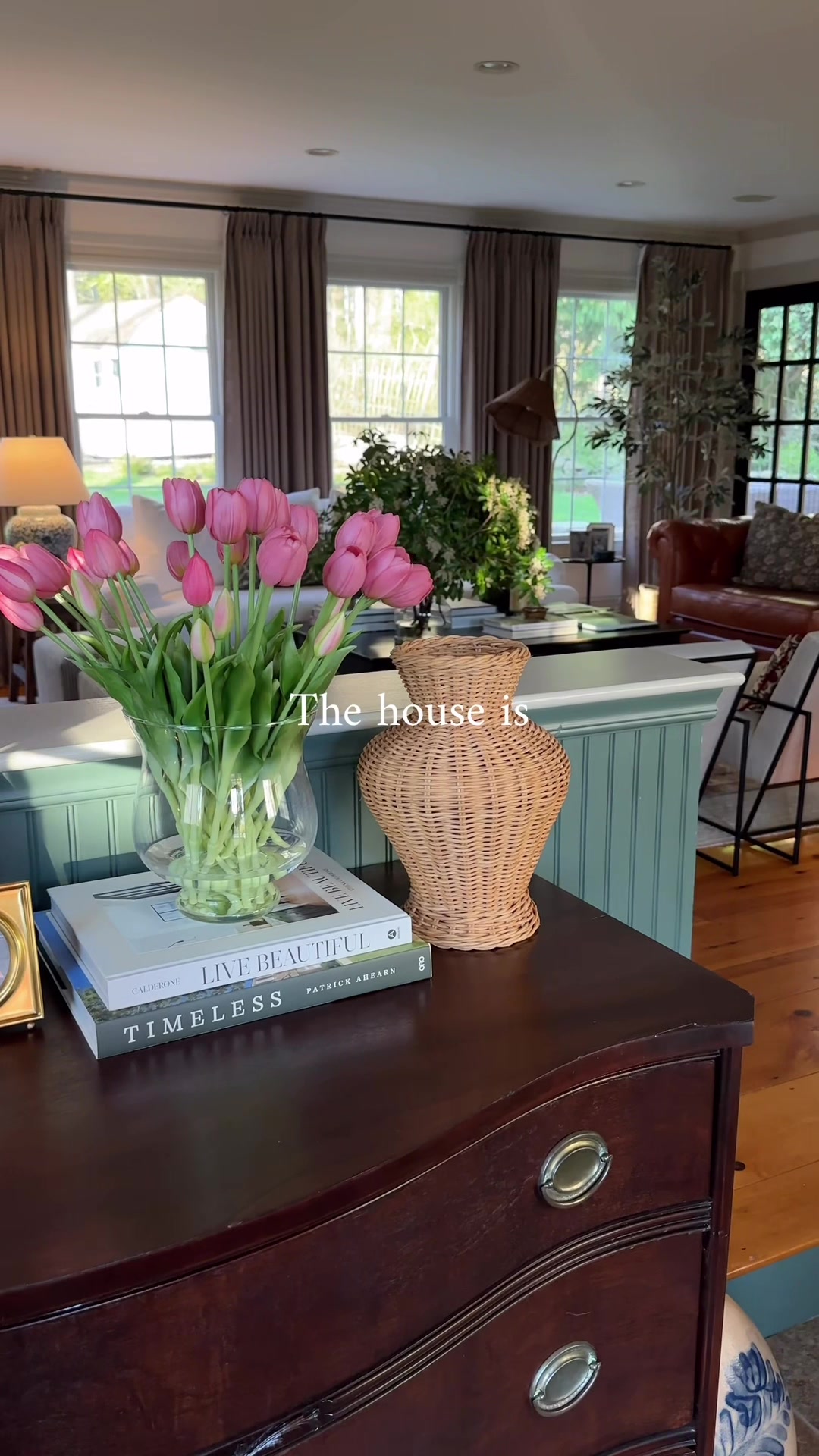
Videos that lead with mood, aesthetic, or brand association, such as cozy seasonal vibes or TV show tie-ins, consistently land in the bottom half of this outlier ranking despite sometimes accumulating respectable raw view counts. The data suggests that emotional ambiance alone is not a reliable driver of algorithmic breakout in this niche. Content that pairs a cozy aesthetic with a specific, actionable framing, such as a budget constraint, a spatial challenge, or a before-after structure, outperforms pure vibe content by a wide margin. Creators should treat aesthetics as the reward the viewer receives after being hooked by a problem, not as the hook itself.
Analysis generated by Reelyze from 20 top-performing interior design videos.