

















What Makes Language Learning Short-Form Videos Go Viral
Language learning is one of the most emotionally rich niches on short-form video, because every learner carries a personal story of confusion, humiliation, and breakthrough. The top-performing content weaponizes that emotional universality, turning the everyday frustrations and surprises of acquiring a new language into moments that non-learners can feel too. The biggest outliers are not tutorial videos but reaction and comedy videos, which means relatability consistently beats instruction at the top of the engagement curve.
The Confusion Hook Dominates at the Highest Outlier Multiples
The single most powerful hook in this niche is a moment of genuine linguistic confusion, signaled immediately by a crying or shocked emoji, a question mark cluster, or a single bewildered word. The top three outliers by multiple all open with this pattern, pulling viewers in before a single word of explanation is given. This works because confusion is a universal emotional state that triggers curiosity in the audience regardless of whether they are learning that language. The hook essentially asks the viewer to solve a puzzle, and the algorithm rewards the watch-time generated by that compulsive need for resolution.
Emotional Comedy Outperforms Educational Instruction at Scale
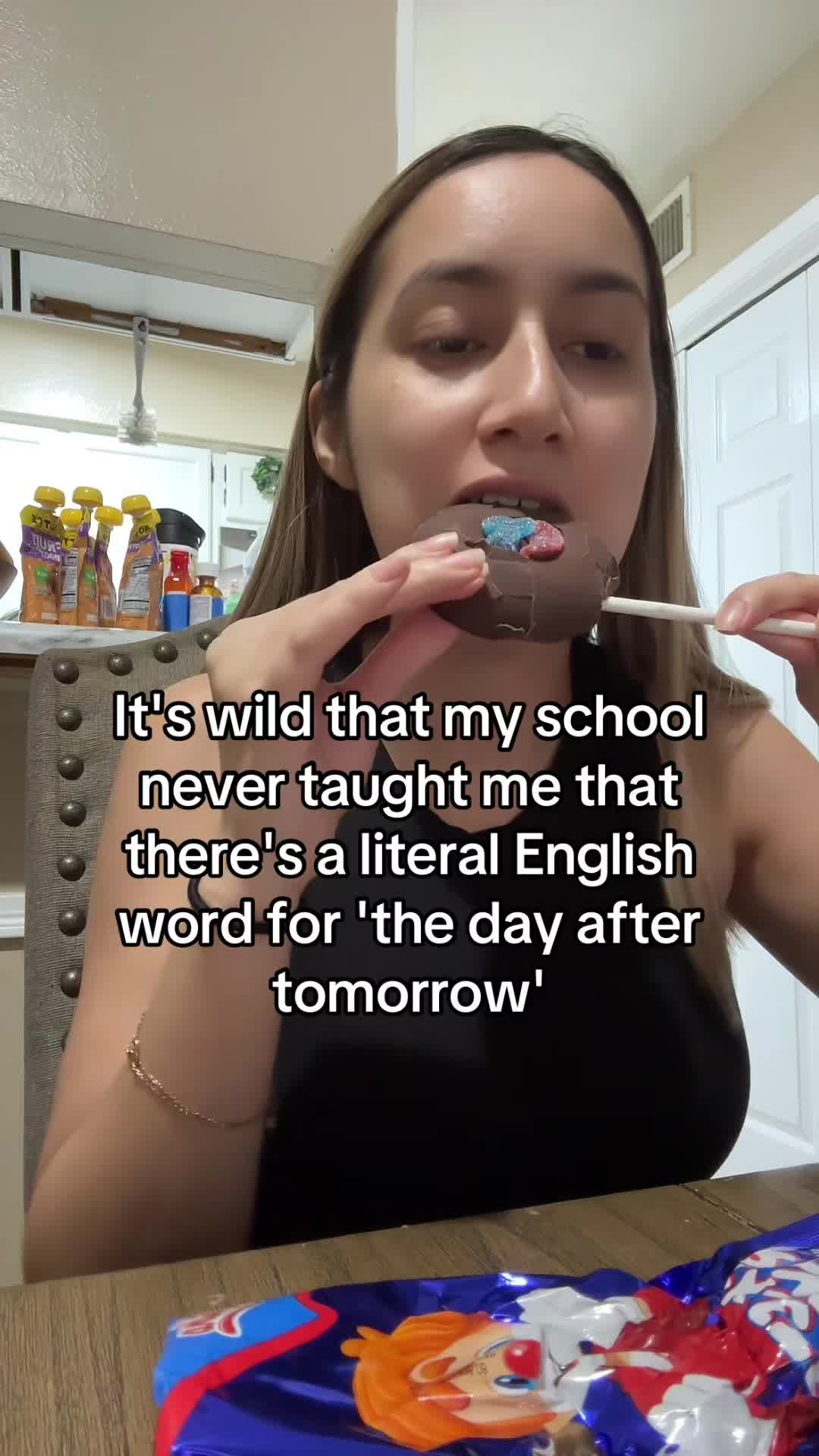
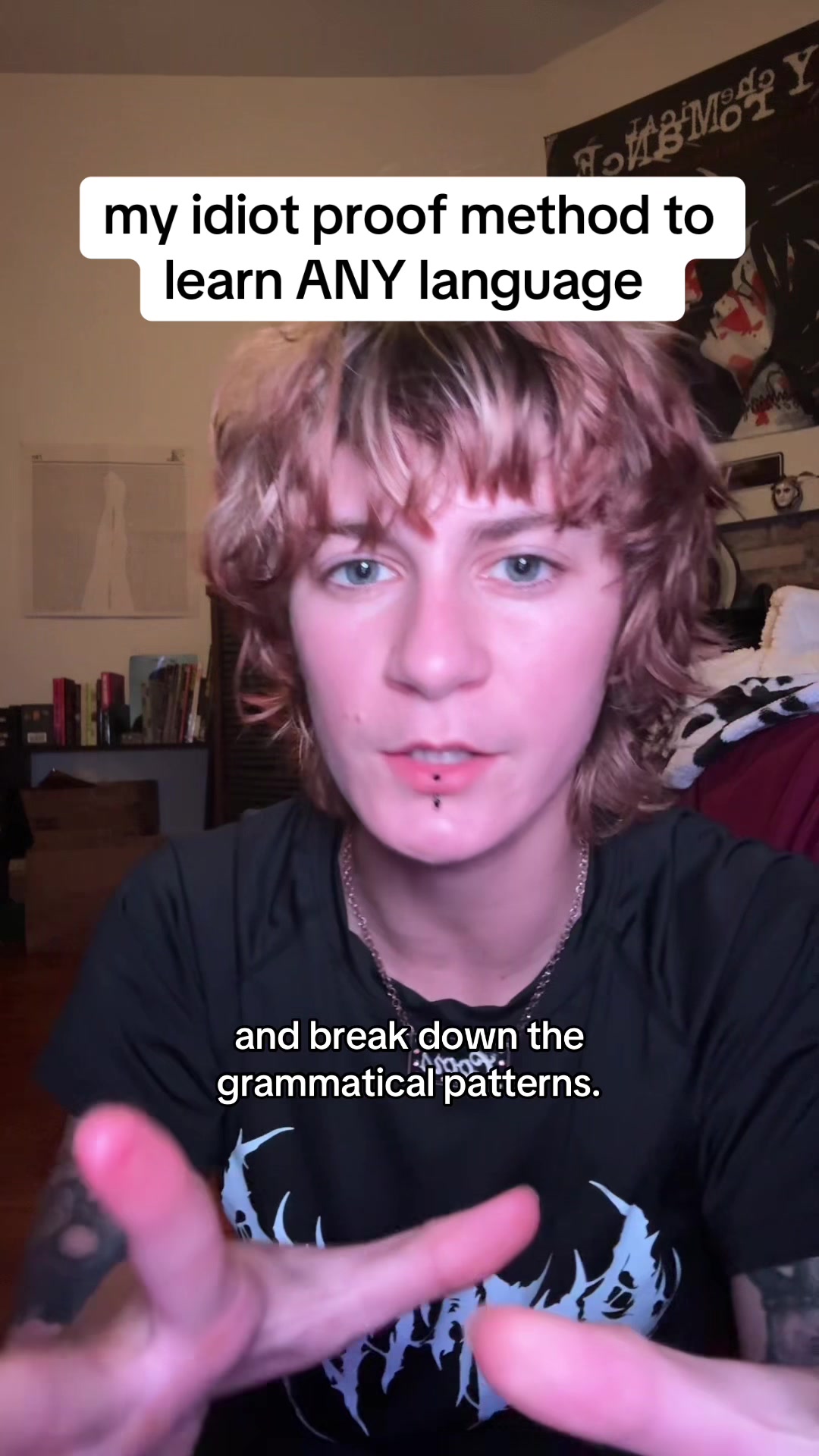
Videos framed as funny or humbling consistently rack up raw view counts in the tens of millions, while straightforward how-to content clusters in the sub-2-million range. The pattern is clear: content that makes a learner the butt of a relatable joke, or that exposes a absurd quirk of a language, travels far beyond the core language-learning audience into general comedy and culture feeds. Creators who wrap a genuine language lesson inside a comedic or self-deprecating frame capture both audiences at once, which is a structural advantage that pure tutorial content cannot replicate.
The AI Conversation Format Is an Emerging Outlier Driver
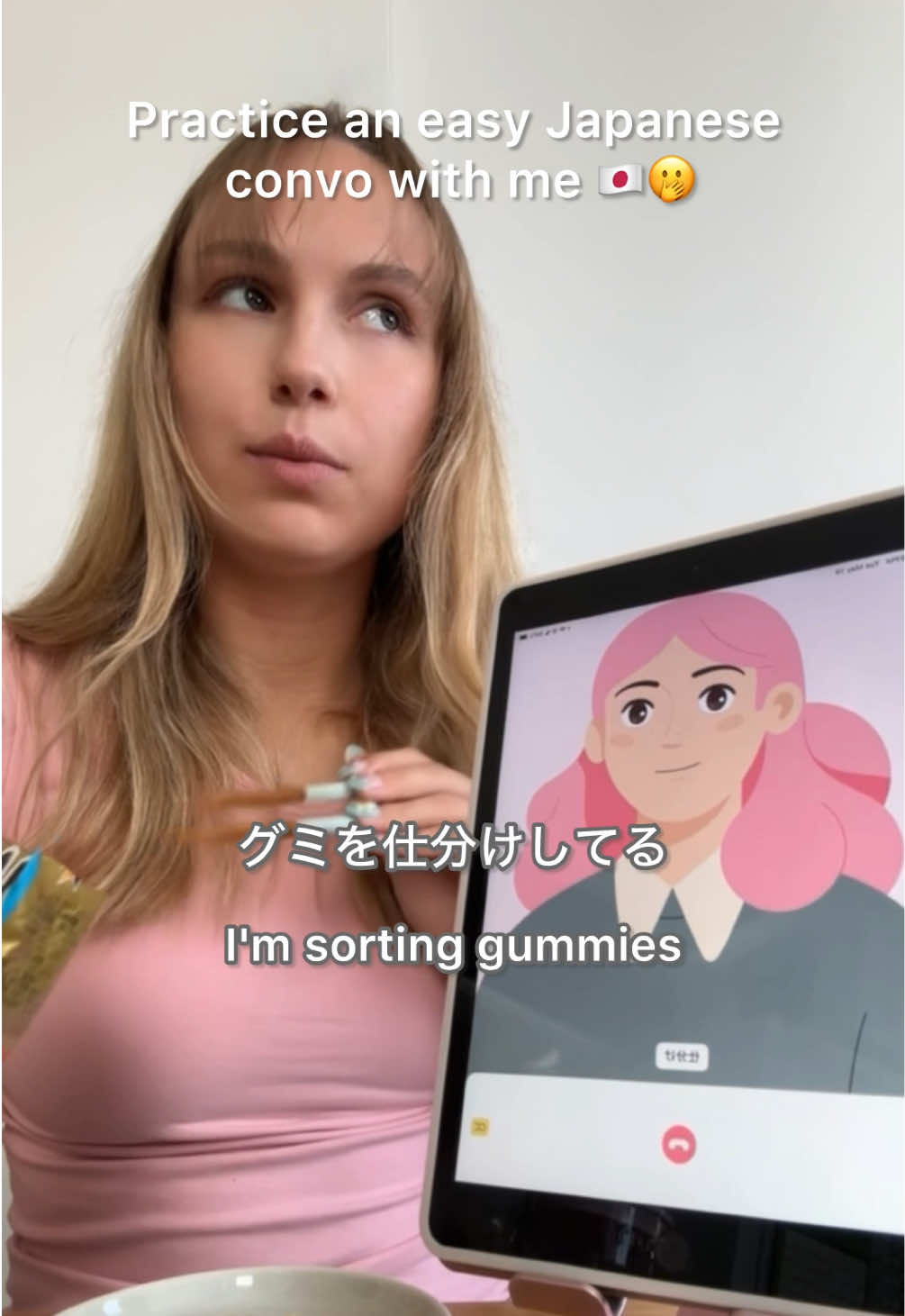
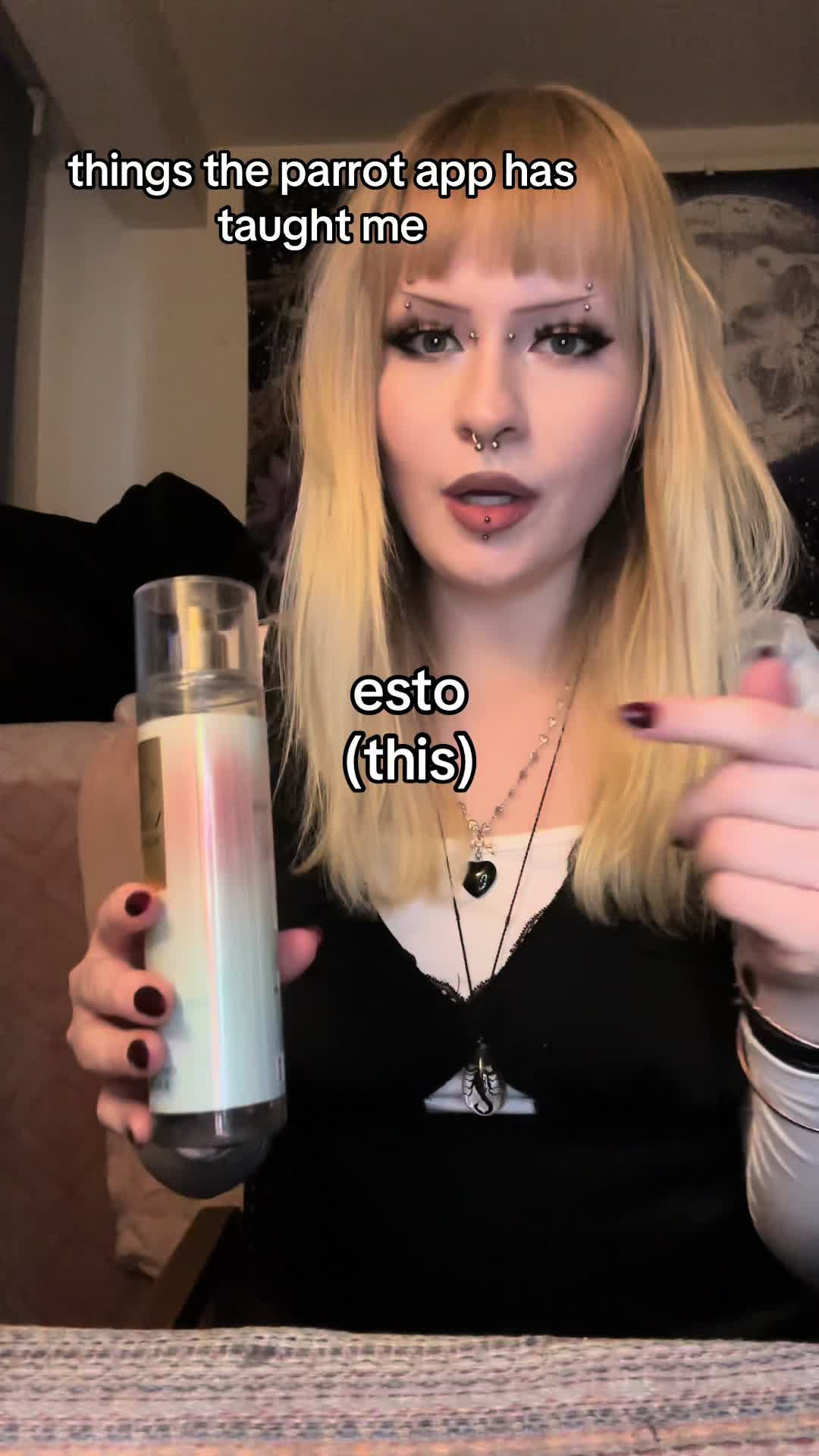
Several high-performing videos use an AI language tutor or AI conversation partner as the central character of the video, with the human learner reacting to what the AI says or does. This format works for two reasons: AI behavior is inherently unpredictable and surprising, which generates organic reaction content, and it doubles as a product demonstration without feeling like a hard sell. The most viral examples in this set let the absurdity of the AI response carry the entertainment value, so the language learning context becomes the setup rather than the subject.
Minimal Text, Maximum Emotion: The Stripped-Back Caption Strategy
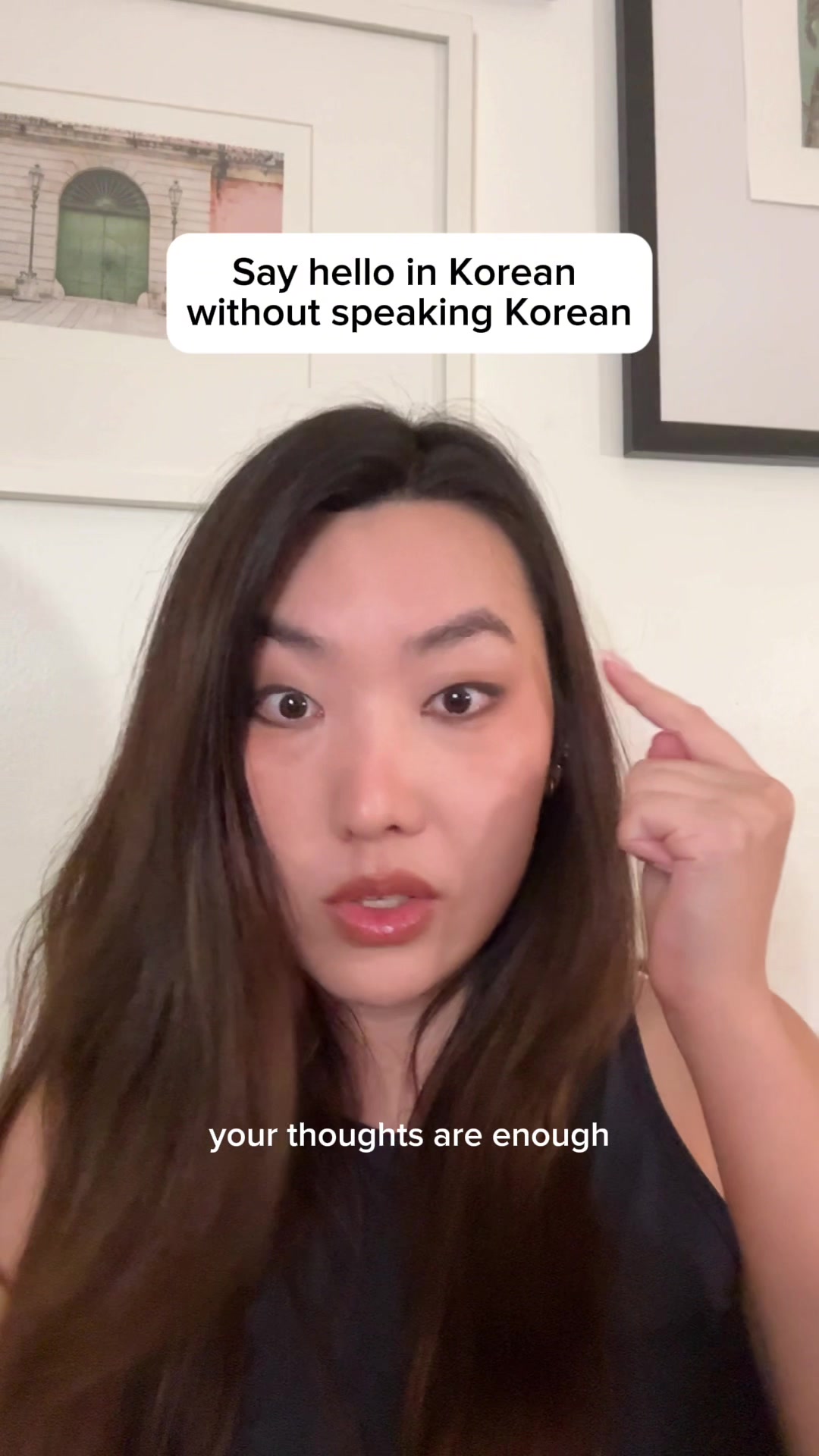
Some of the highest-view videos in this dataset use captions that are nearly empty, relying on a single emoji, a foreign-language word, or a short emotional exclamation to represent the entire video concept. This is a deliberate pattern, not laziness. A sparse caption forces the algorithm and the viewer to judge the content on its visual and audio hook alone, and it avoids front-loading context that might filter out casual scrollers. It also creates intrigue, because a caption that tells you almost nothing compels a click just to understand what is happening.
Beginner-Accessible Micro-Lessons Earn Steady Mid-Tier Performance
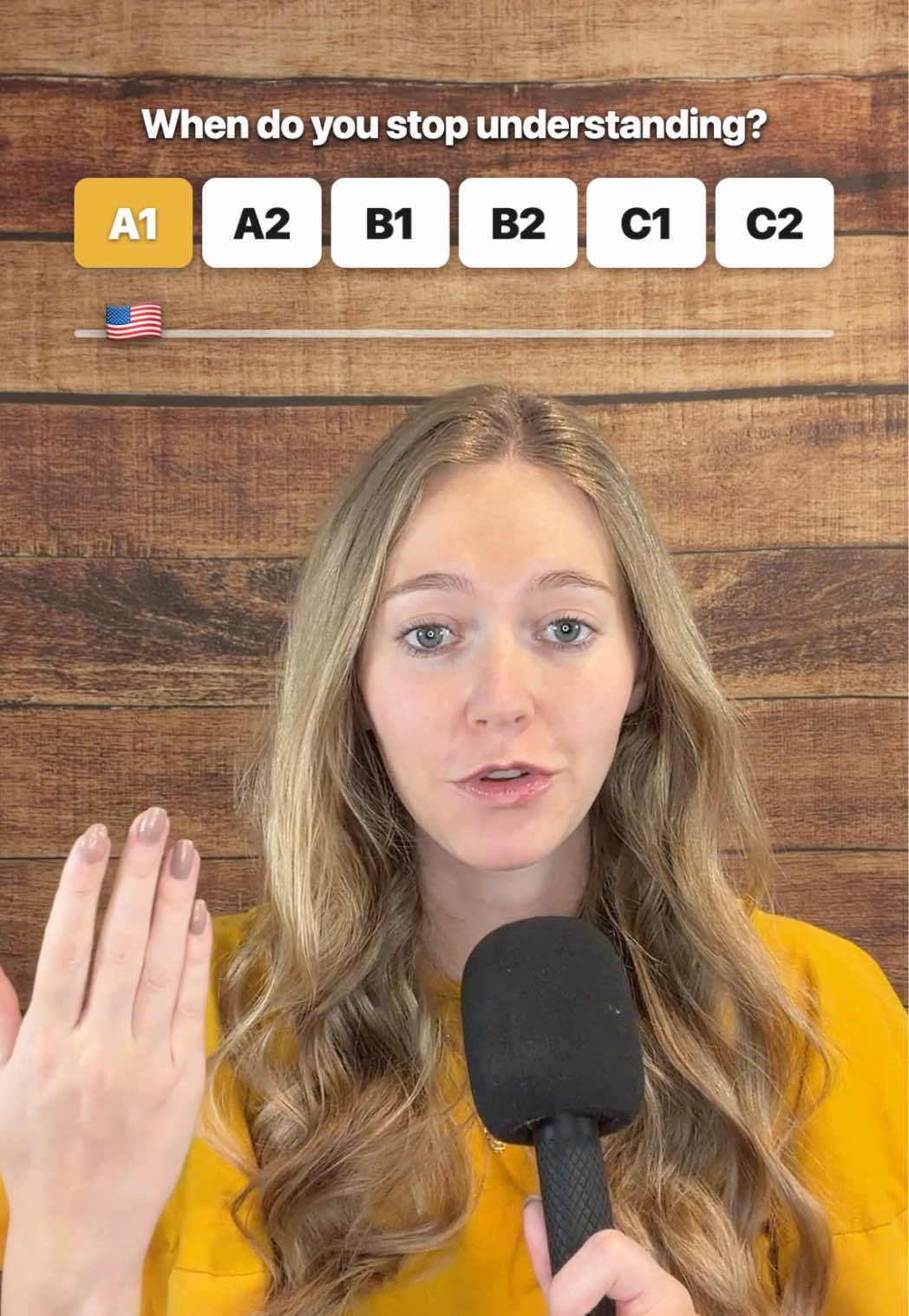
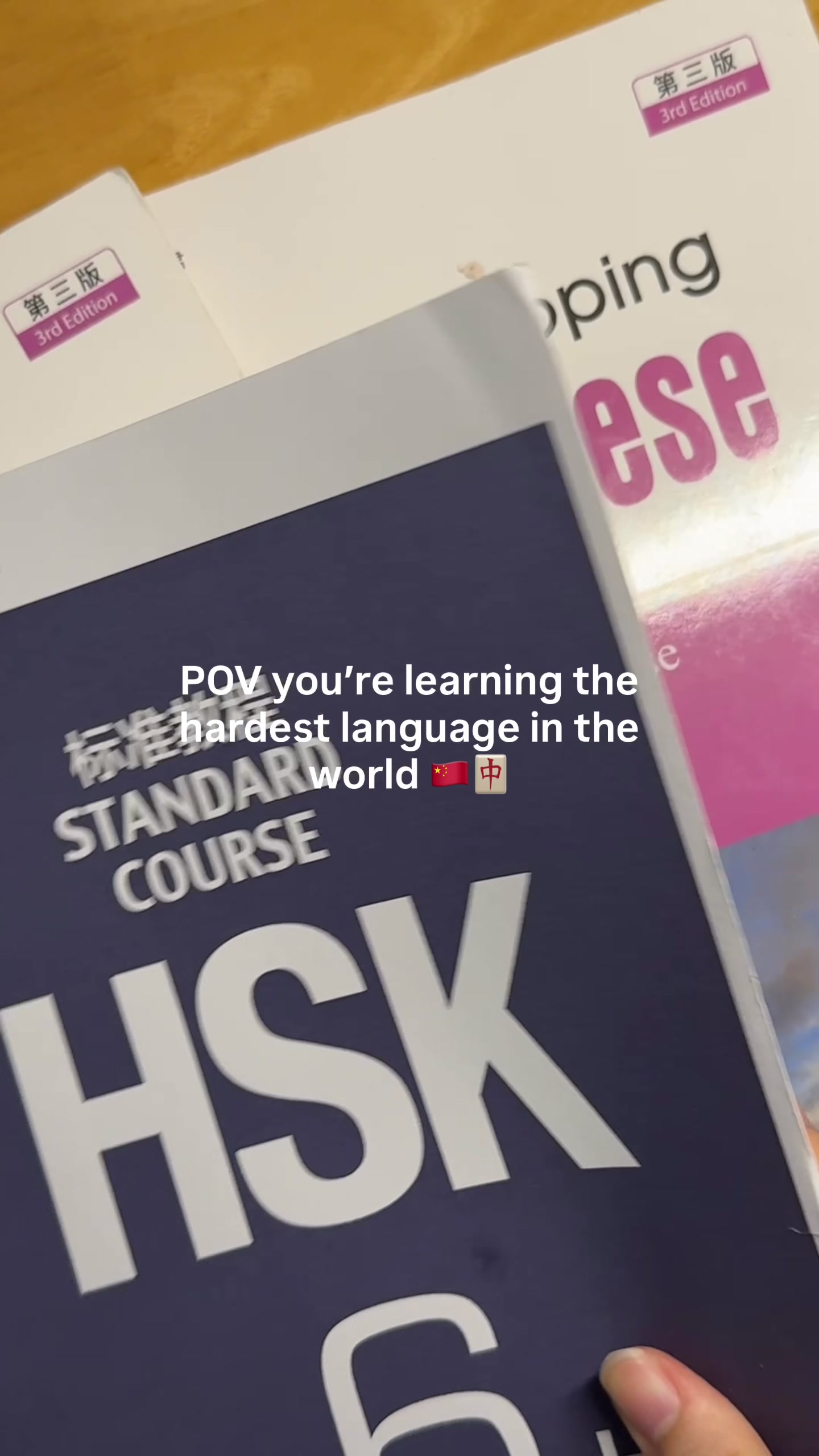
Content that teaches a very small, concrete language skill, such as counting to five in a language or a single phrase, consistently performs at a respectable mid-tier level without the explosive ceiling of comedy or confusion content. These videos work because they deliver an immediate sense of accomplishment in under 30 seconds, which is a satisfying loop for the viewer. They also attract search traffic from people actively trying to learn, giving them a longer shelf life than trend-dependent content. Pairing a micro-lesson with a cultural or flag visual is a reliable signal that boosts saves and shares.
Analysis generated by Reelyze from 20 top-performing language learning videos.