
What Makes Makeup Tutorial Short-Form Videos Go Viral
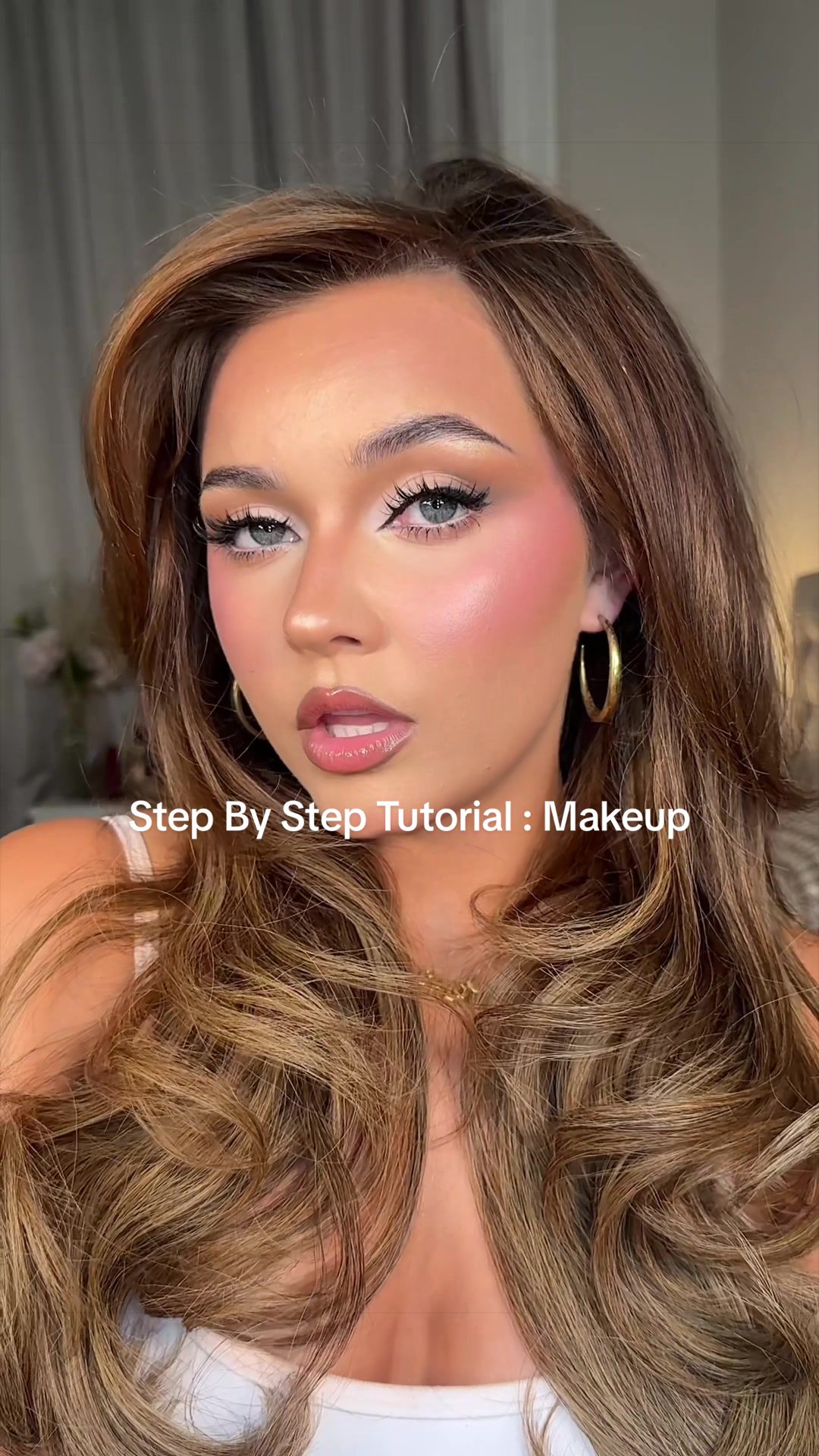
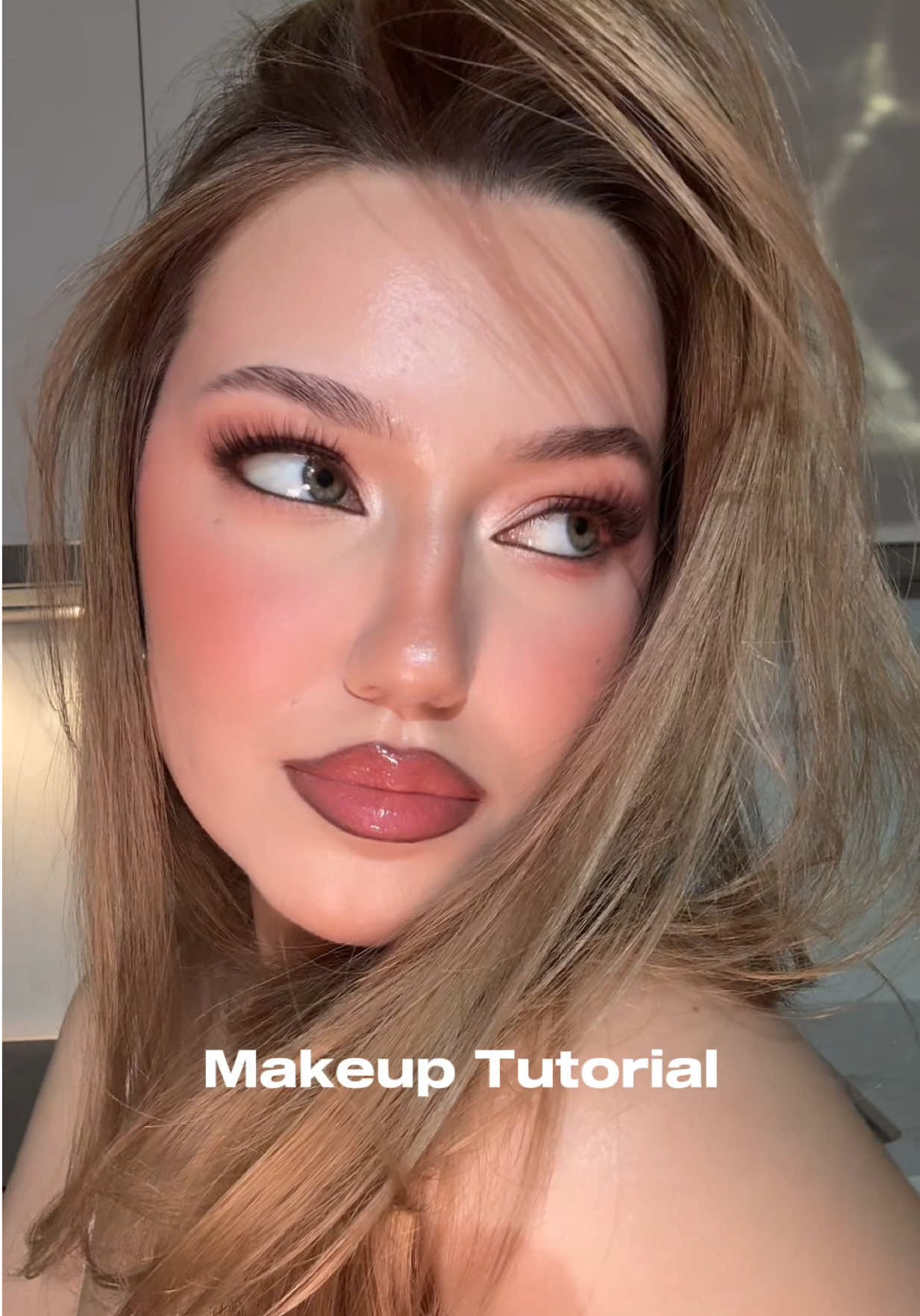
Makeup tutorial videos on short-form platforms win by combining instant visual payoff with a clear promise of transformation, whether that is fixing a specific face feature, mastering a technique, or replicating a trending aesthetic. The highest outliers tend to focus on a single, hyper-specific technique rather than a full look, while mid-tier performers succeed by leaning into comparison formats and interactive questions that drive comment engagement. Across the board, the videos that break through pair an irresistible before-and-after tension with accessible, beginner-friendly framing.
Hook Style 1: The Hyper-Specific Technique Hook
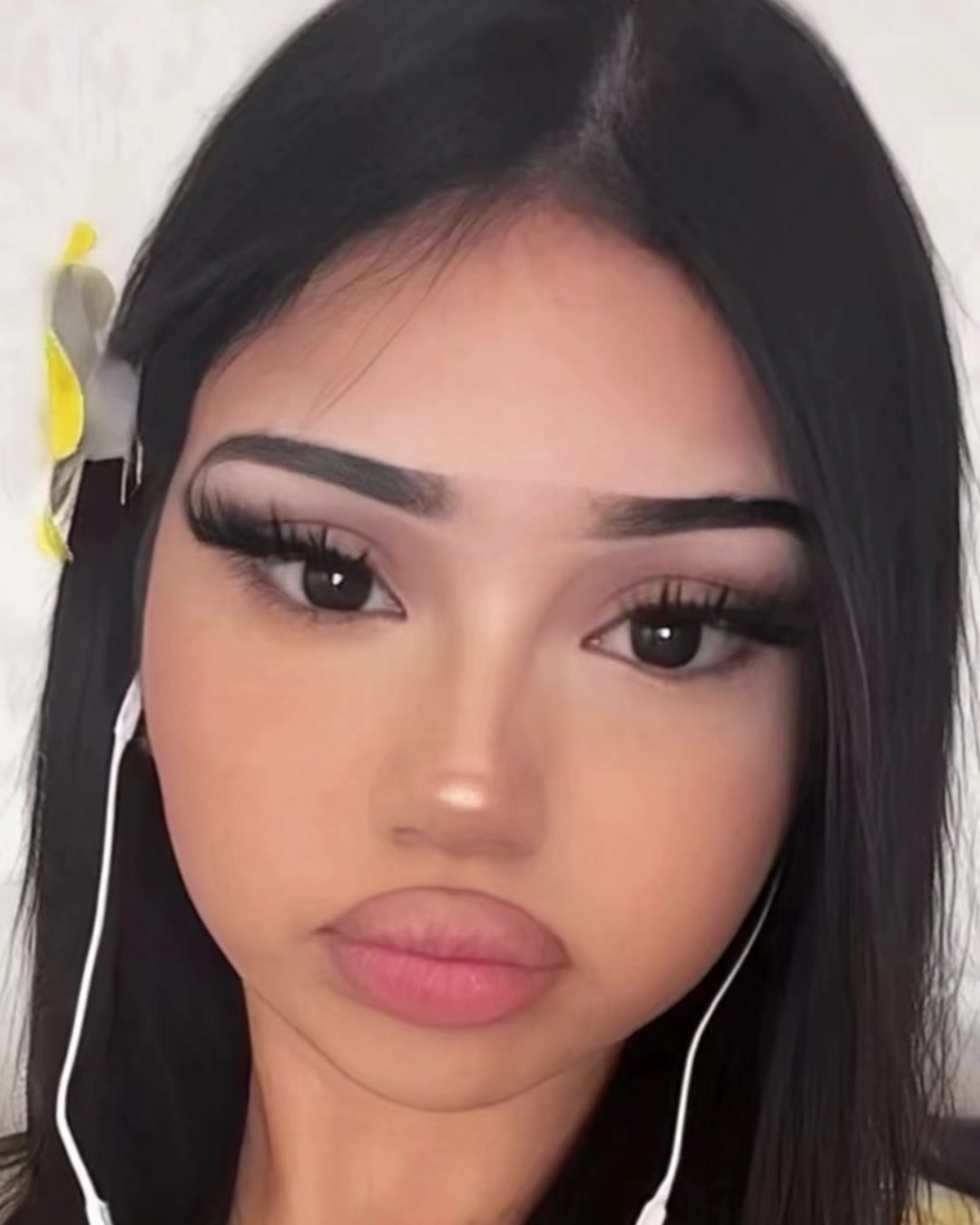
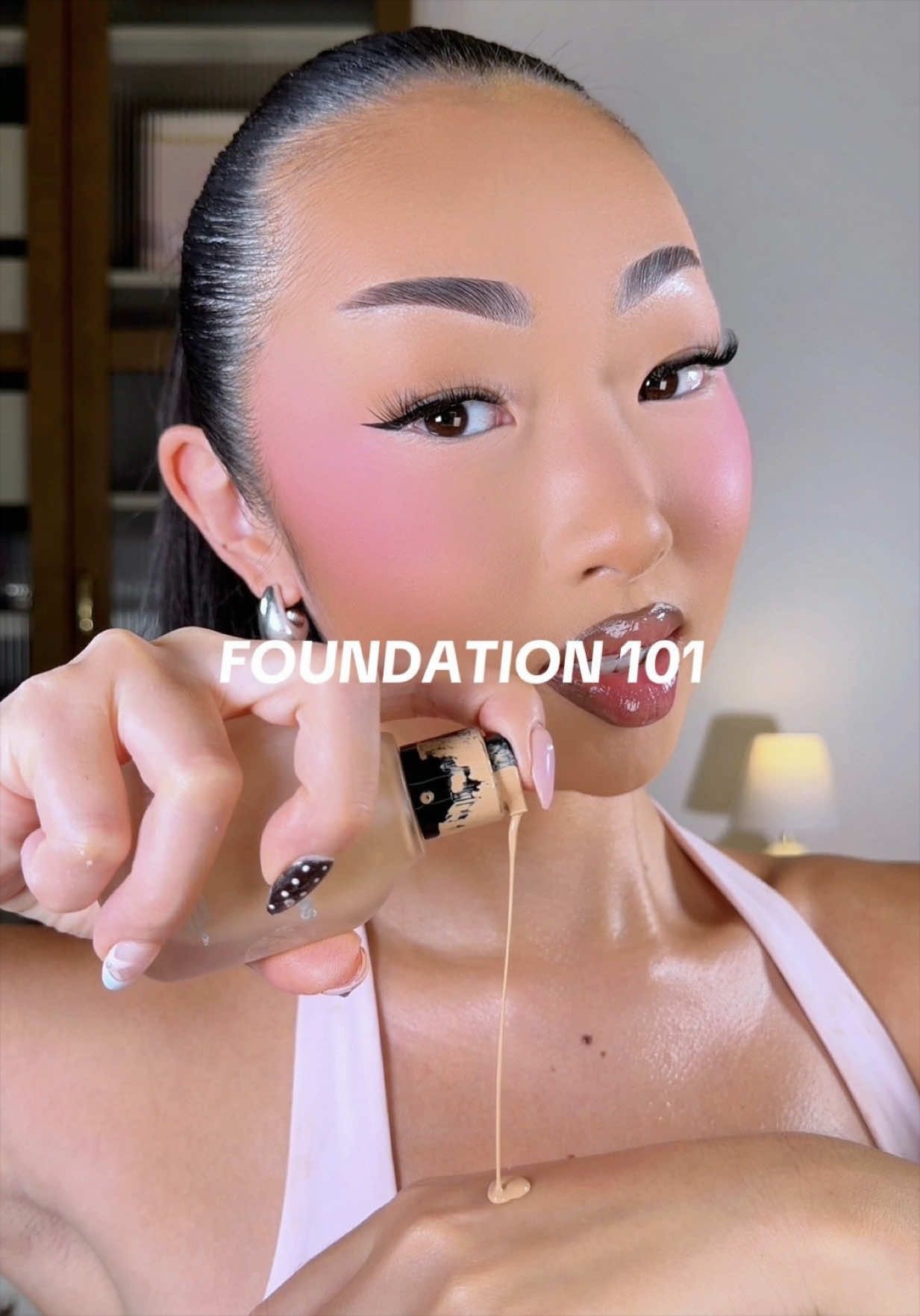
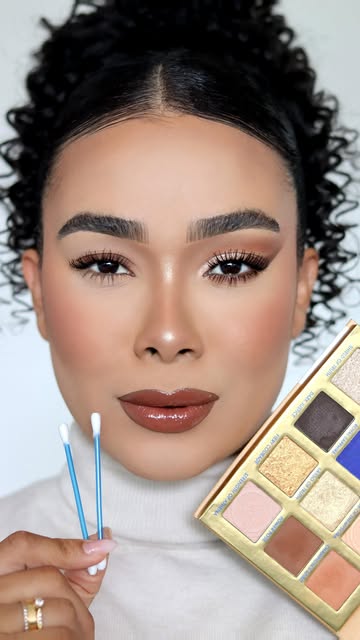
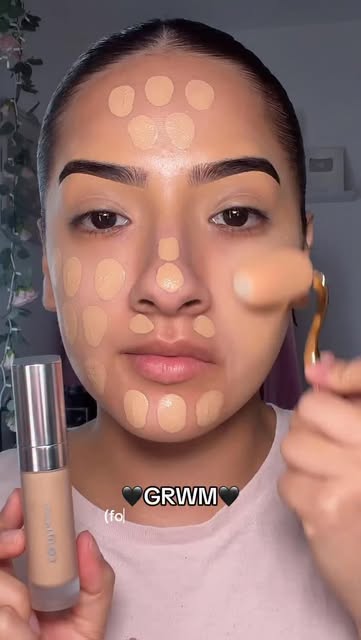
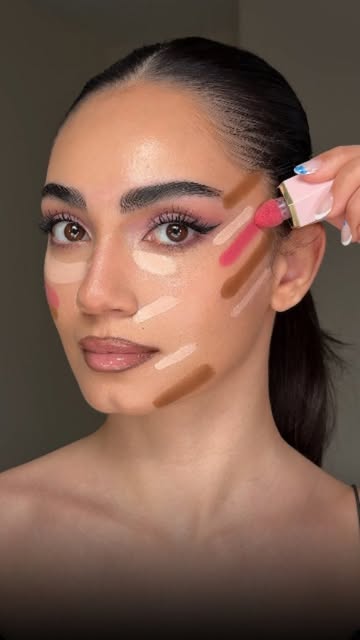
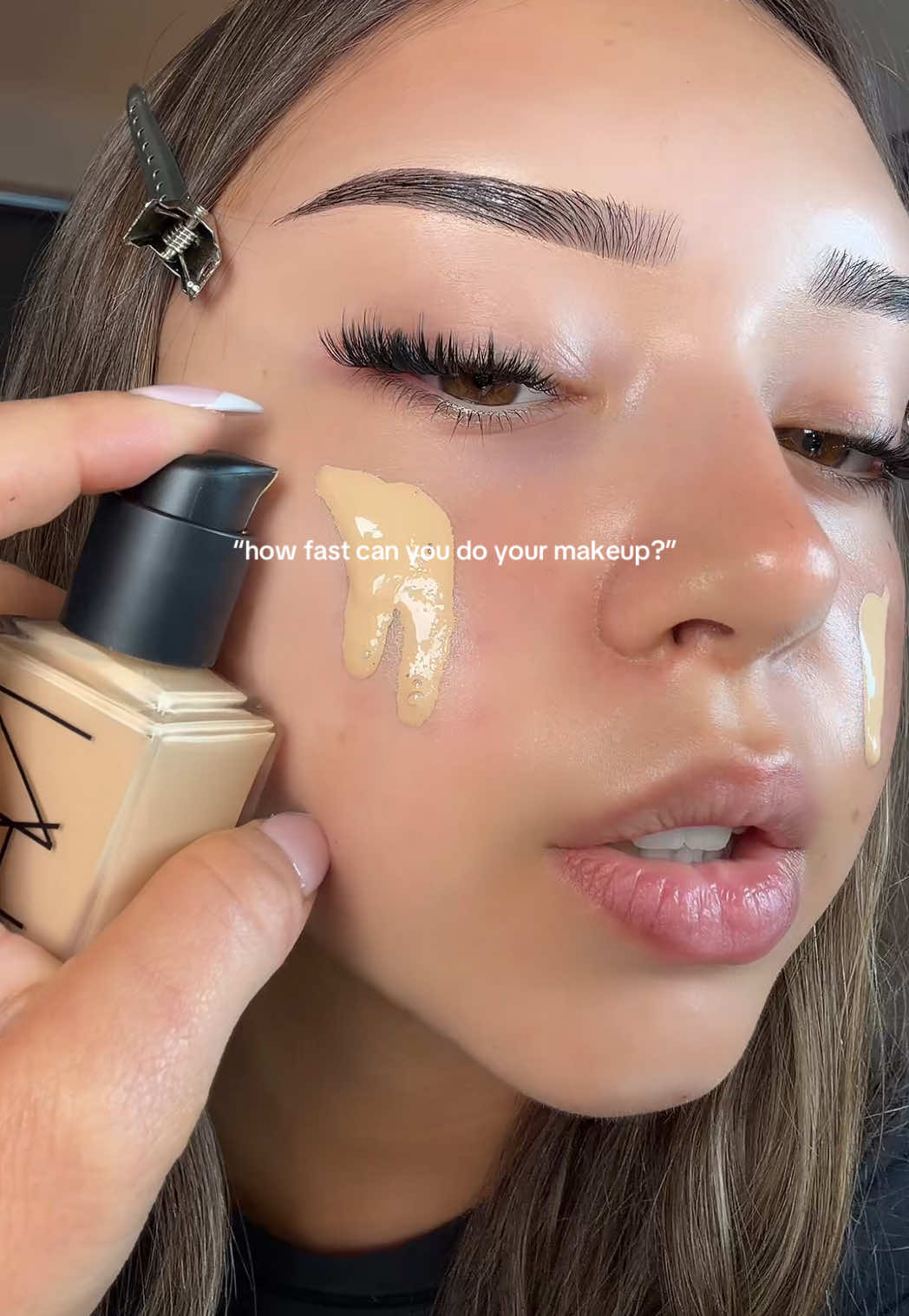
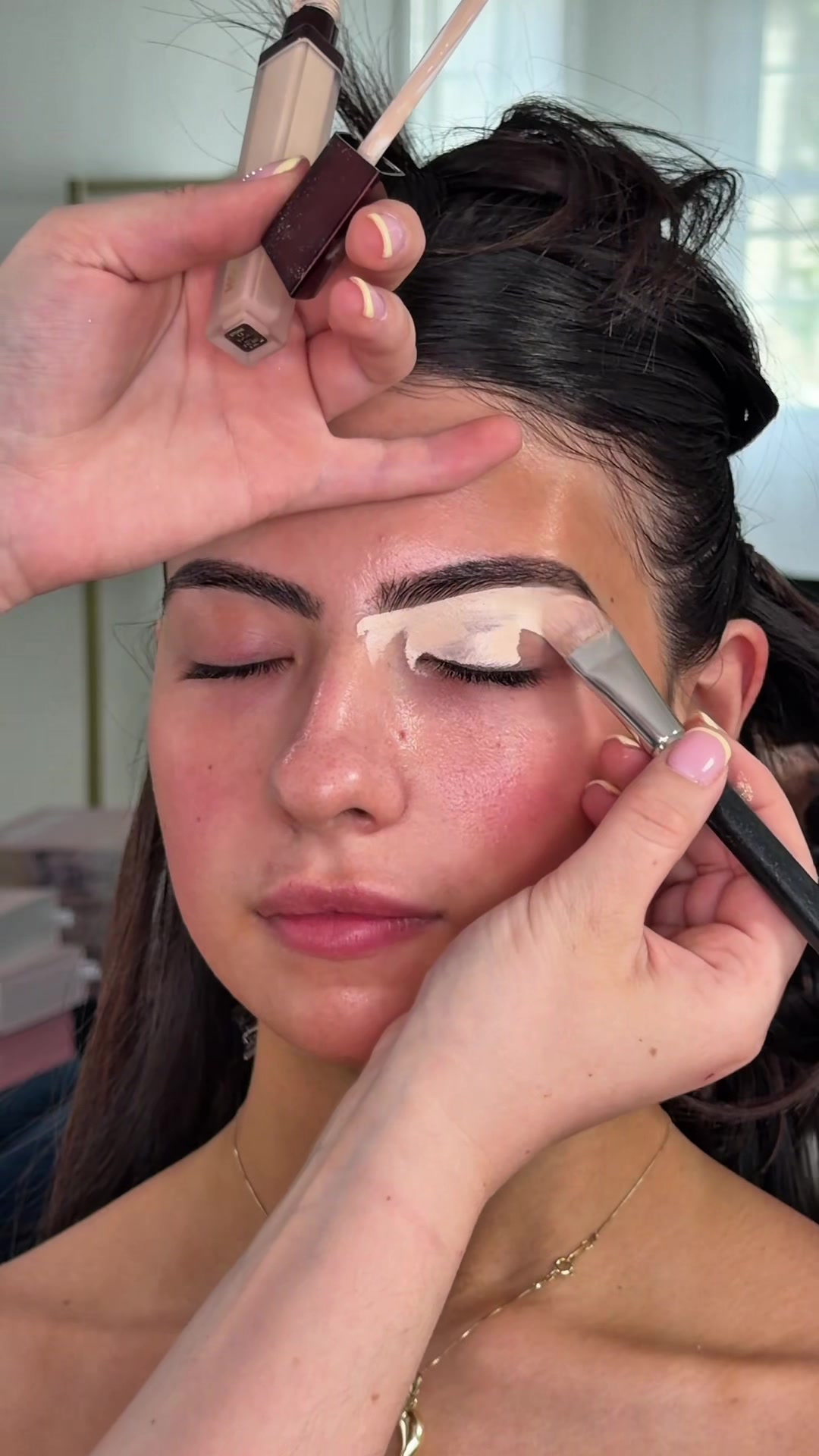
The top outlier videos, those at 8x and above, are built around one named technique rather than a full makeup look. Nose contouring and proper foundation application, for example, signal immediately that the viewer will walk away with a learnable, repeatable skill. This specificity filters in a highly motivated audience and creates a sense of scarcity, as if the creator is sharing insider knowledge that most tutorials skip. The more niche the technique name in the opening frame, the stronger the pull.
Hook Style 2: The Mistake-Correction and Do's and Don'ts Frame
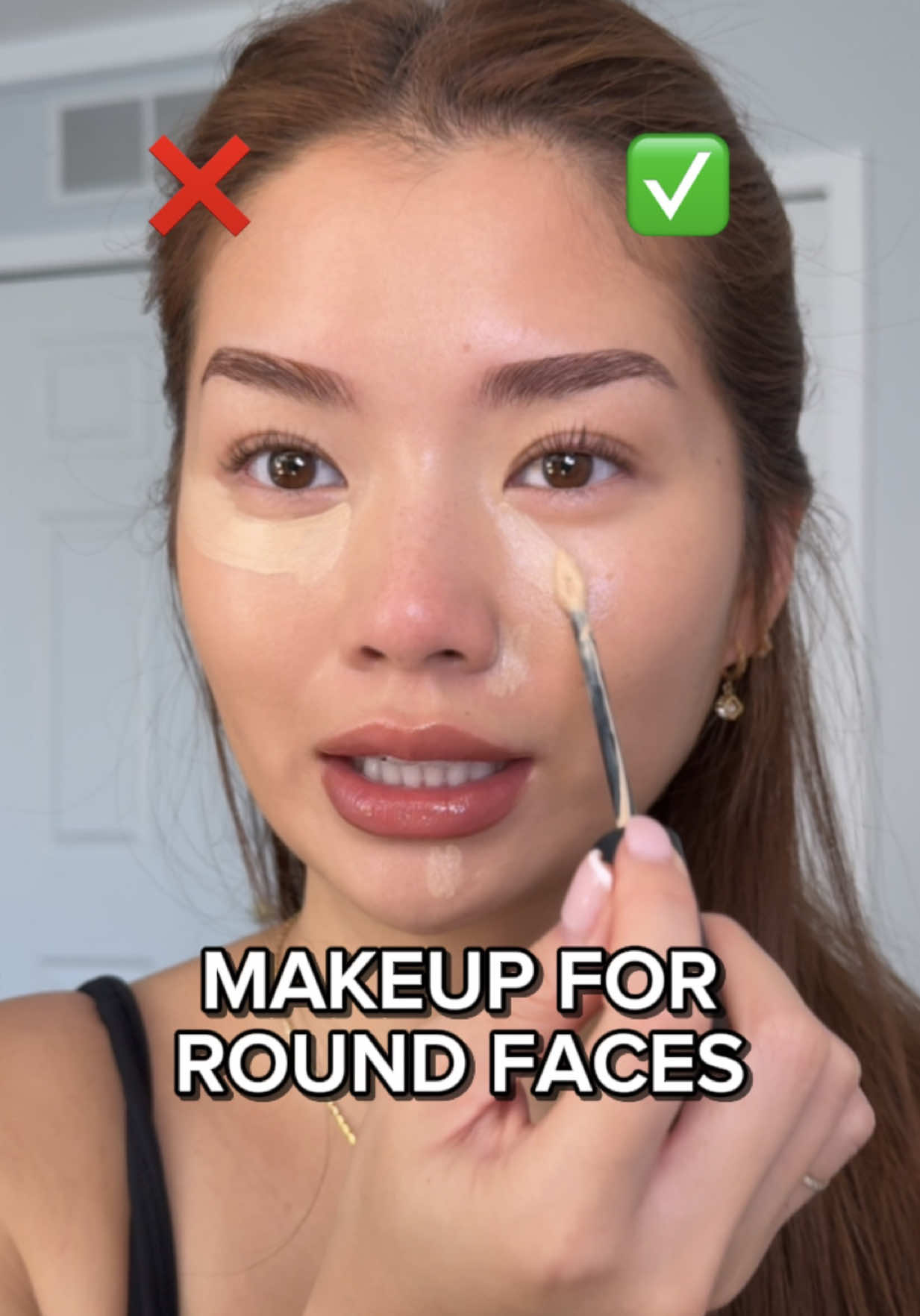
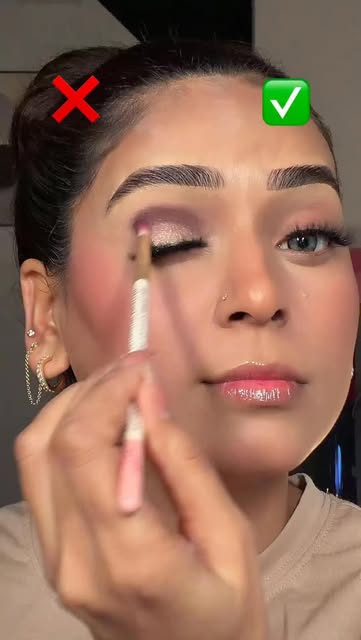
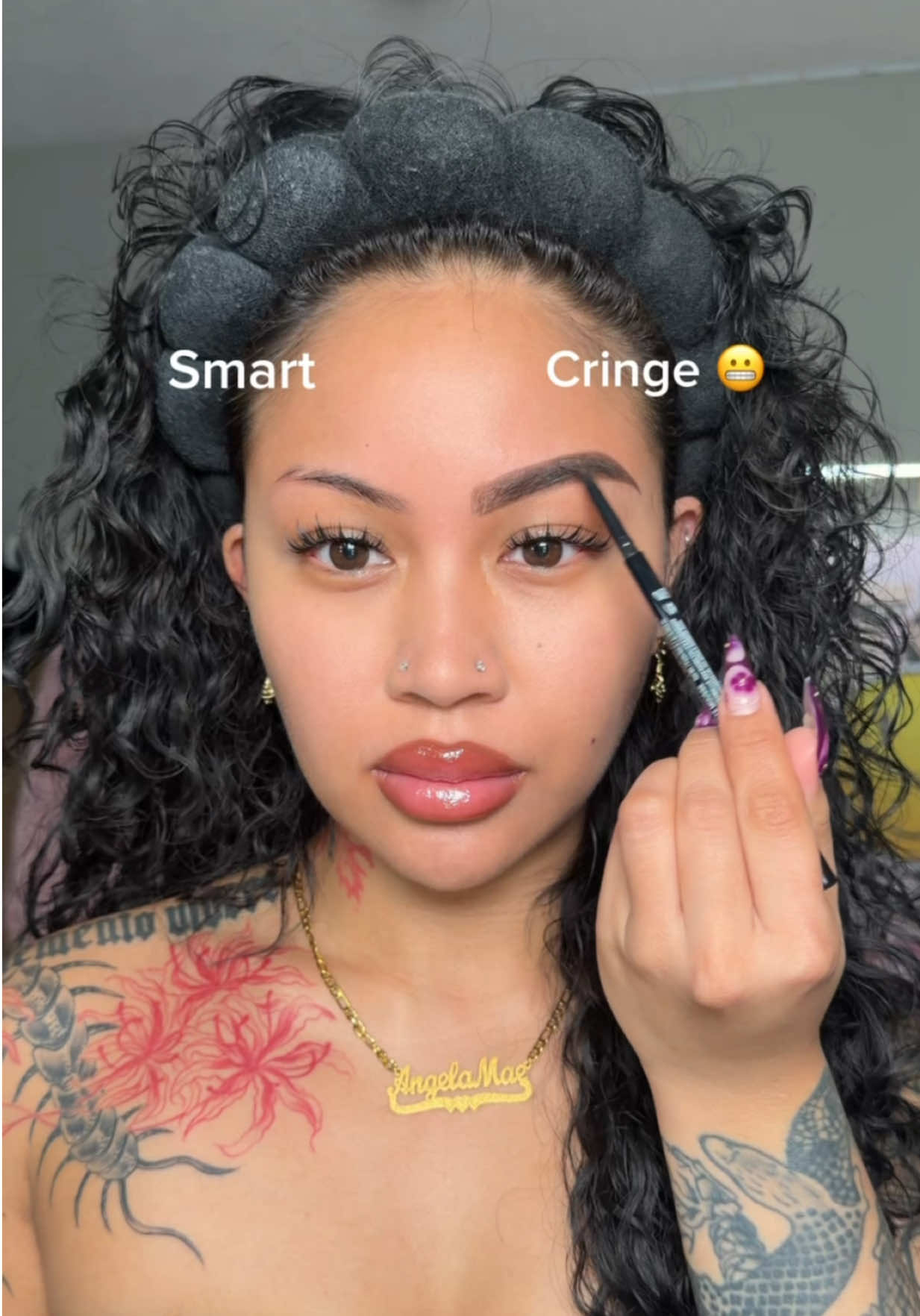
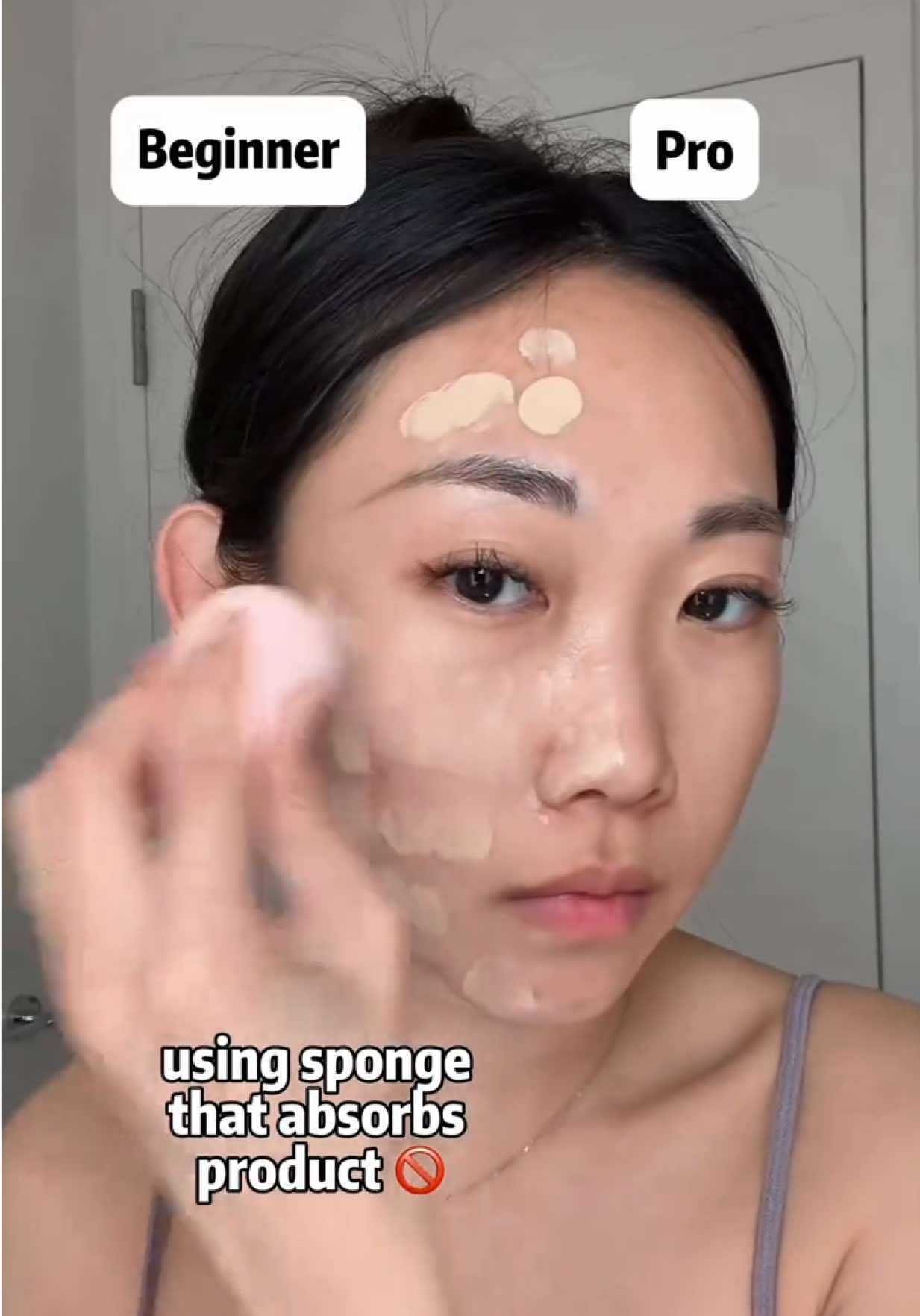
Several of the strongest performers open by positioning the video as a corrective, calling out common errors before showing the right approach. This format works because it triggers mild self-recognition in the viewer, who suspects they may be making the same mistakes. The side-by-side or before-and-after visual structure that follows immediately rewards the viewer for staying, making retention high enough to satisfy platform algorithms. The direct, slightly confrontational tone of 'be honest, which side is your routine closer to' also drives comment replies, which boost distribution.
Format Winner: Face-Shape and Feature-Specific Content
Videos targeting specific face shapes or features, such as round faces or hooded lids, dramatically outperform generic tutorials because they solve a problem the viewer has already identified about themselves. This targeting creates an almost personal feeling without any customization on the creator's part, and it prompts saves because viewers want to return to the technique later. The 'dos and don'ts for a specific face shape' format in particular combines the corrective hook with the identity-matching angle, stacking two high-performing mechanics into one video.
Structure Pattern: The Interactive Comparison Close
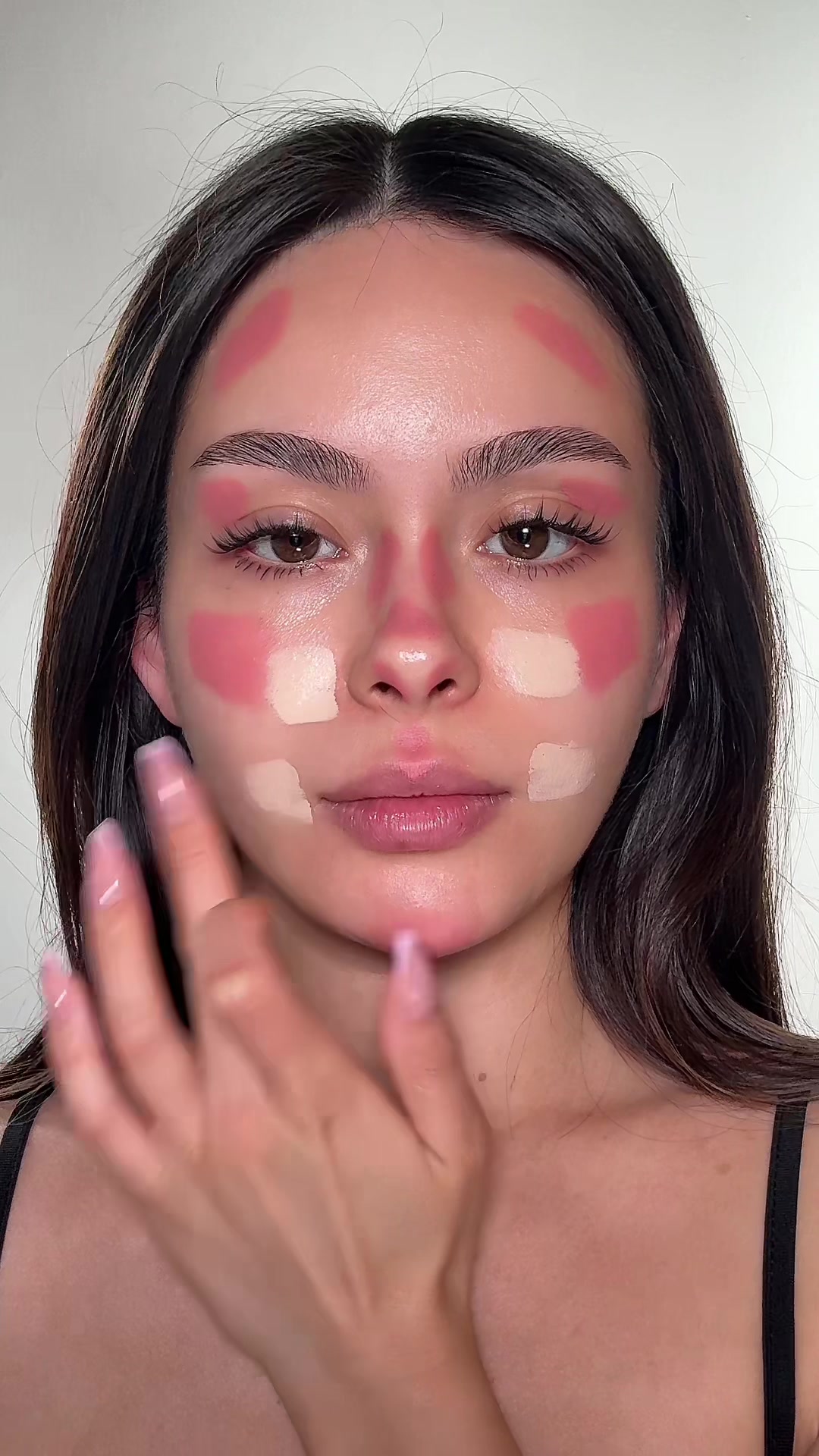
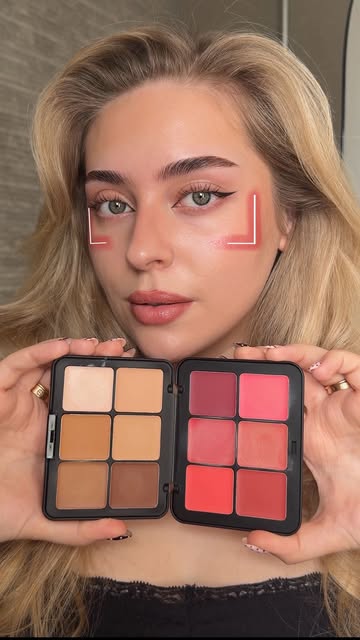
A recurring structure among mid-to-high performers is showing multiple variations of the same element, such as different blush placements across the face, and then explicitly asking viewers to vote in the comments. This transforms a passive tutorial into a participatory experience, and the comment section becomes a self-sustaining engagement engine. Videos using lettered options or numbered choices, as seen in the blush placement video, are especially effective because they lower the barrier to commenting to a single character, maximizing response rate.
Topic Trend: Unexpected or Crossover Aesthetics
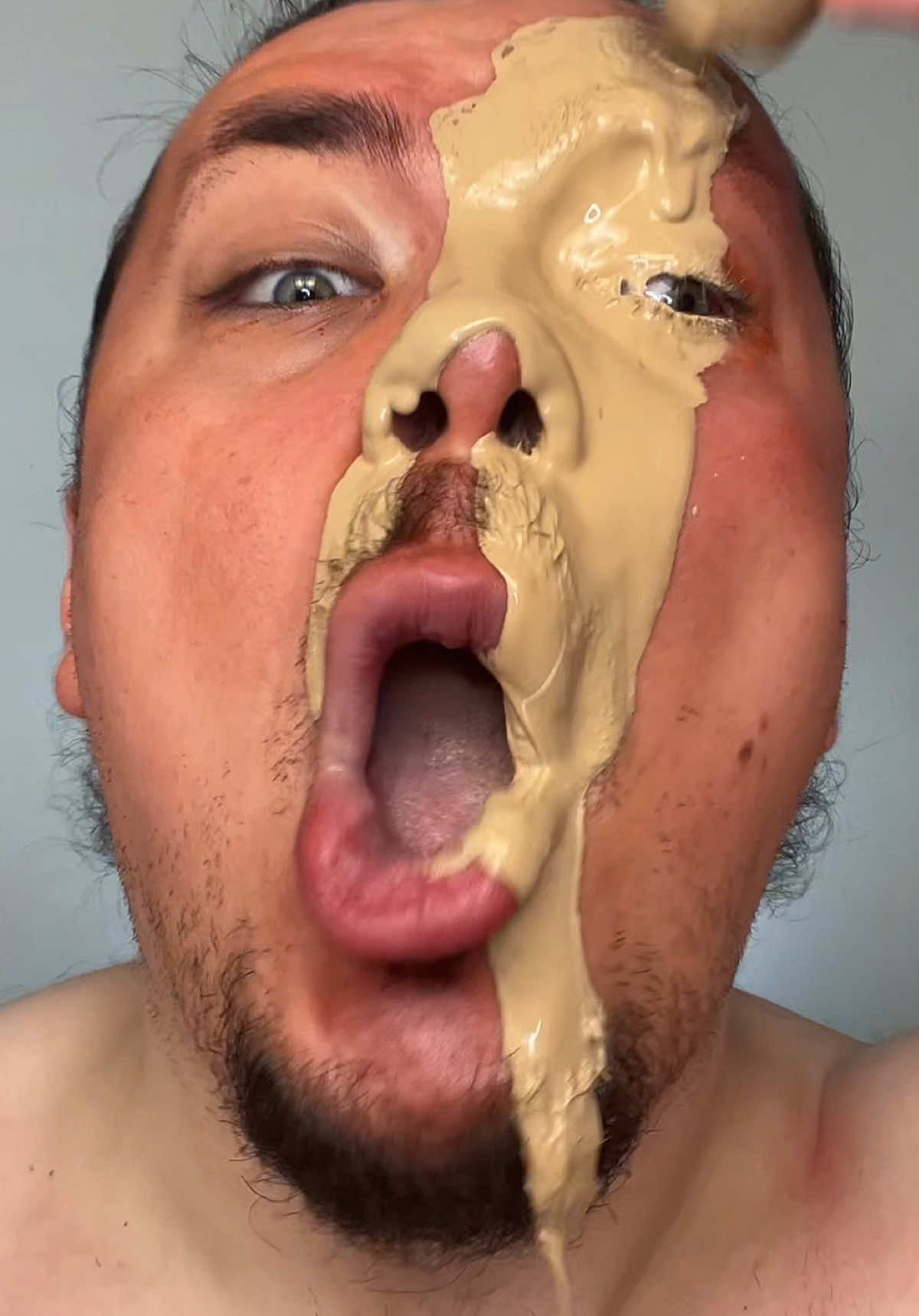
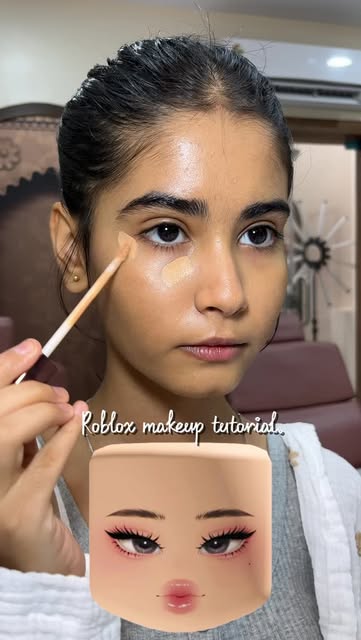
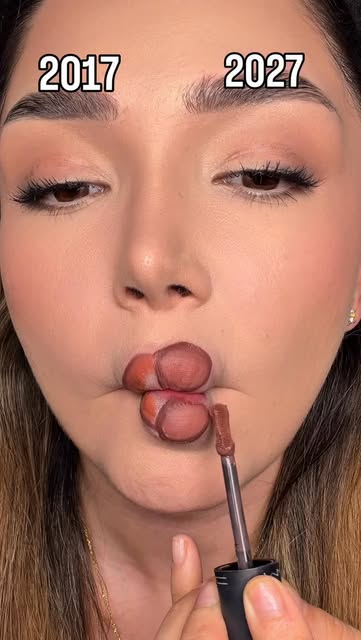
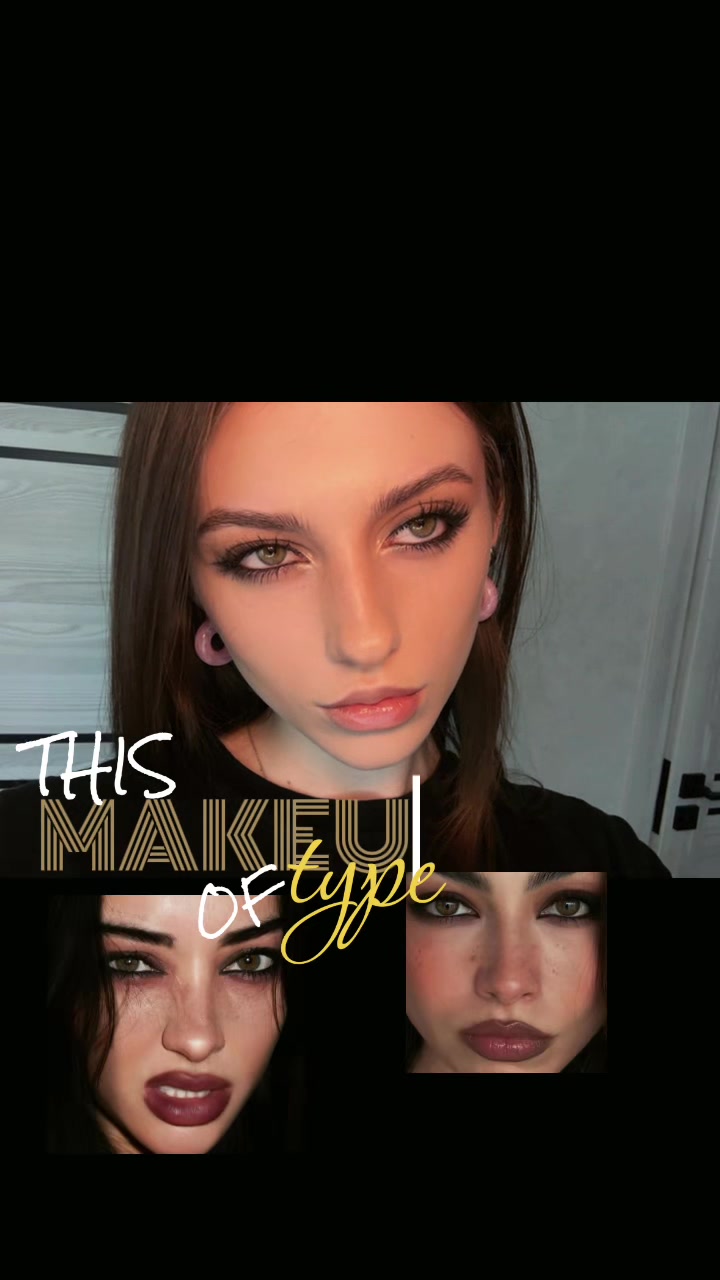
Outlier topics tend to surprise by crossing makeup with an unexpected reference point, such as a character aesthetic, a pop culture moment, or a bold color combination that feels unconventional. The half-and-half dual-color eyeshadow look and the character-inspired tutorial both generated strong engagement by making viewers curious about the finished result from the very first frame. These crossover concepts also benefit from two separate audience pools discovering the content, one from the makeup side and one from the reference point community.
Analysis generated by Reelyze from 20 top-performing makeup tutorial videos.