
What Makes Meal Prep Short-Form Videos Go Viral
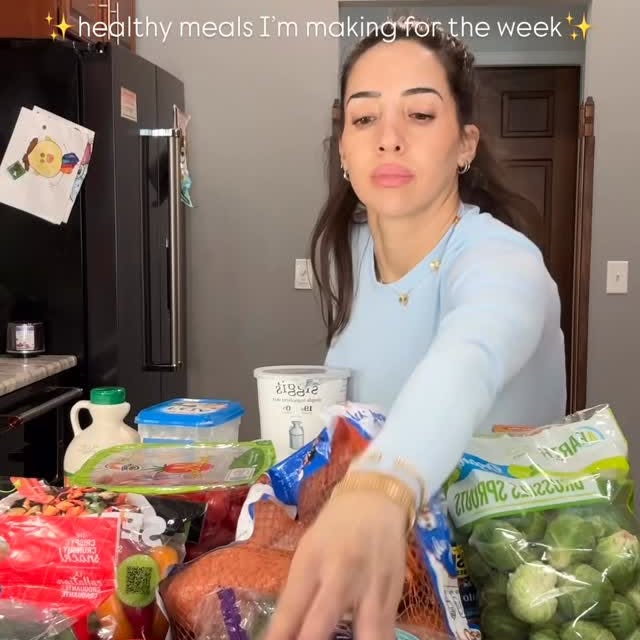
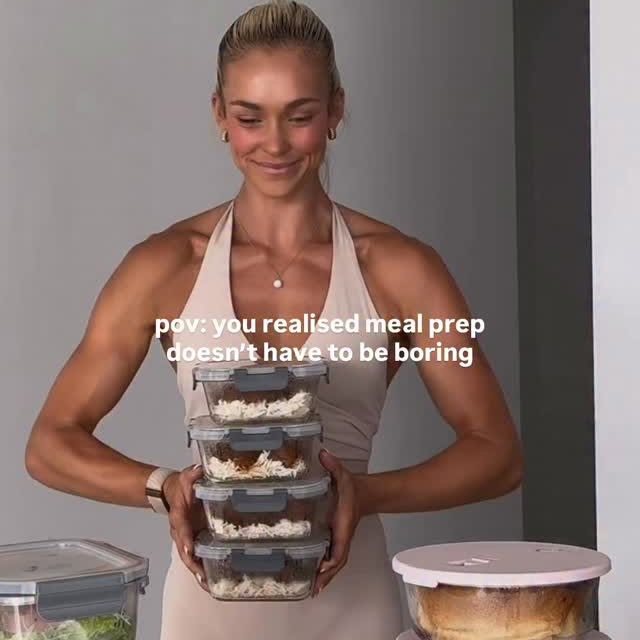
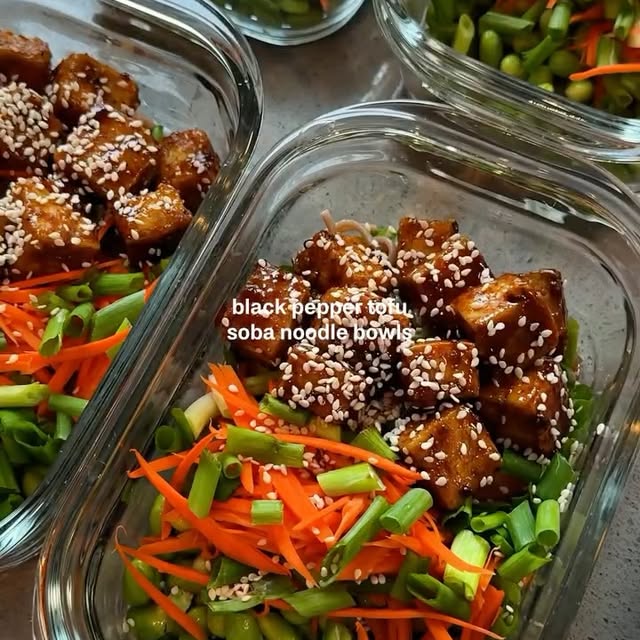
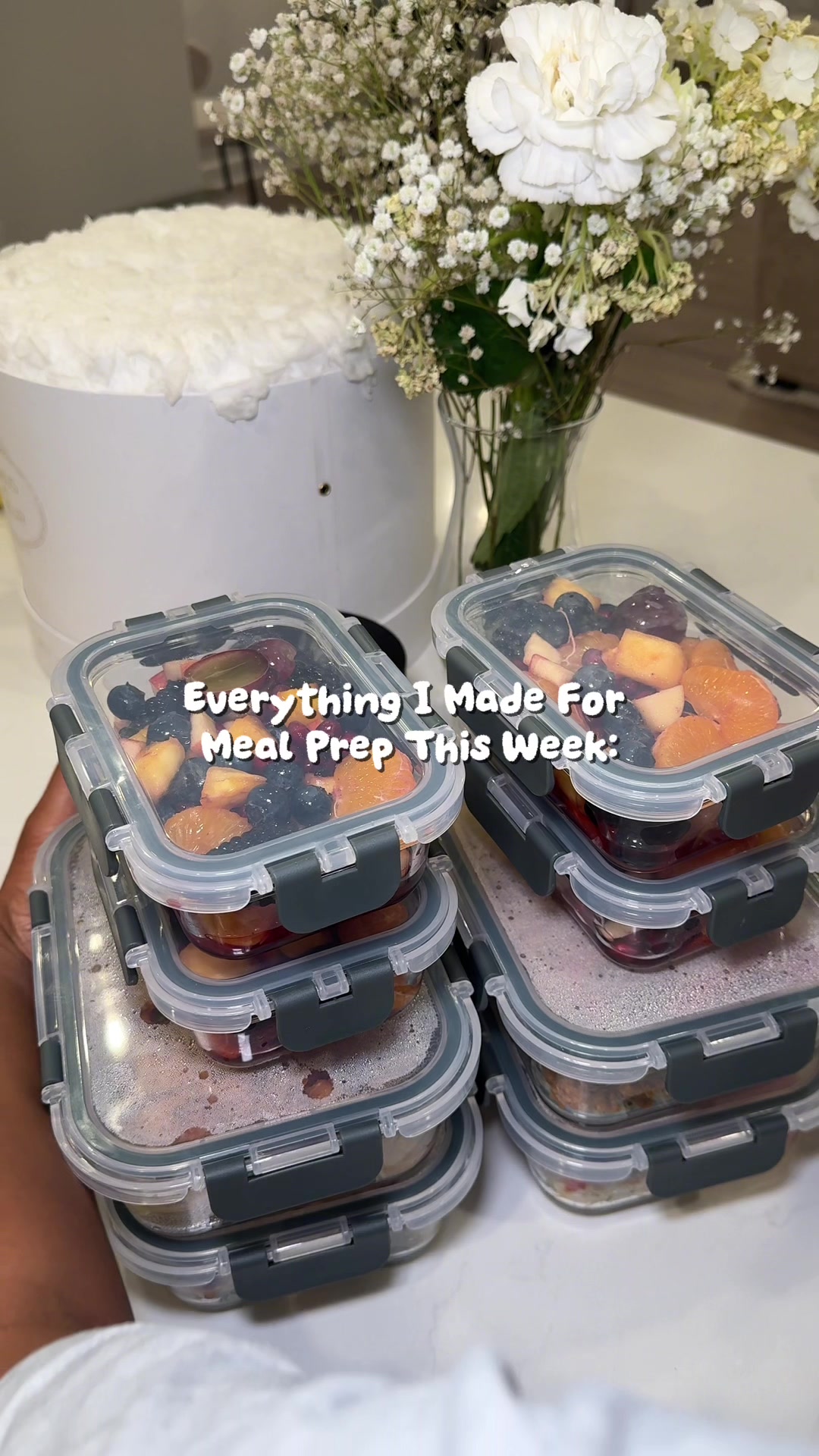
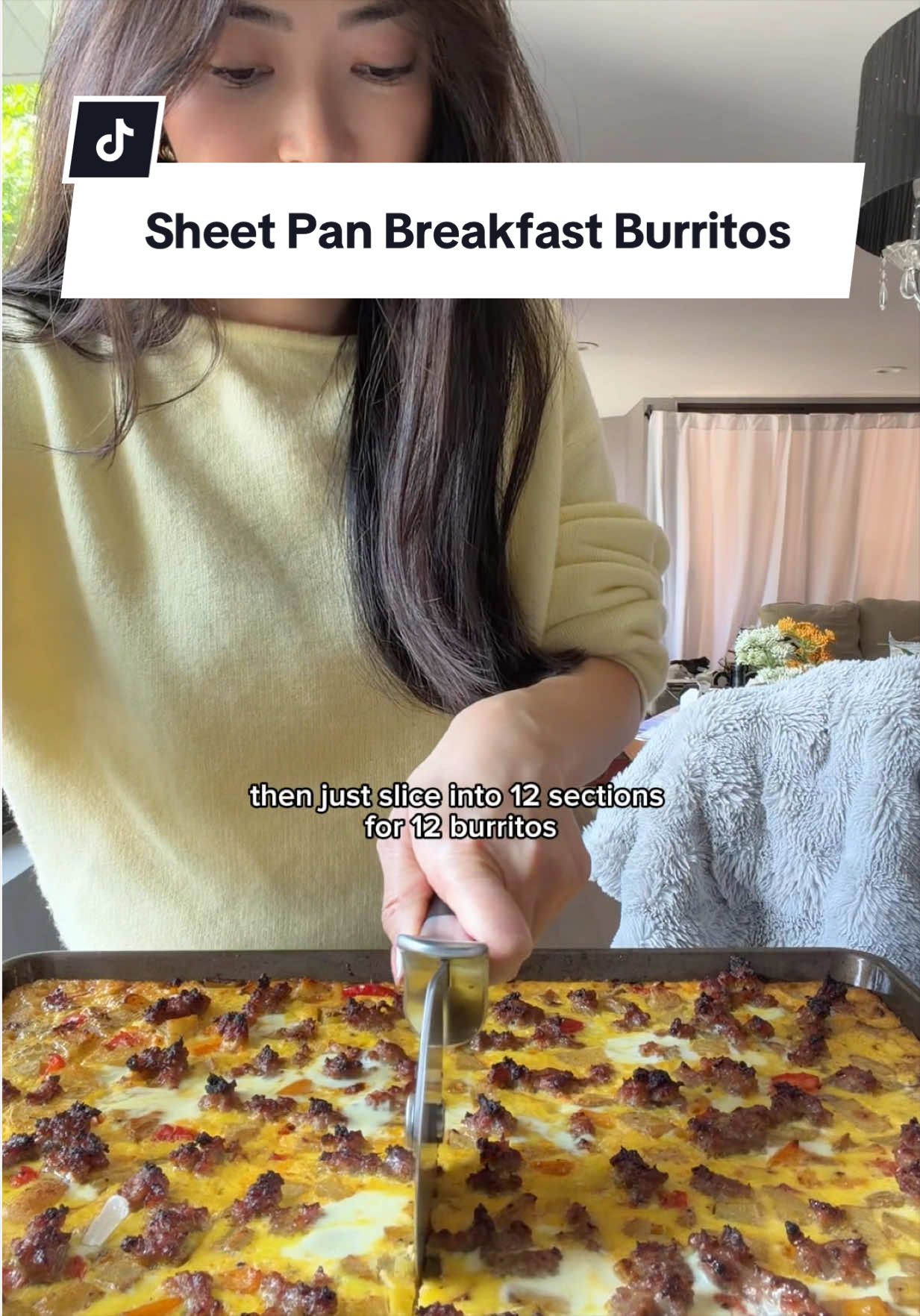
Meal prep content dominates short-form feeds because it sits at the intersection of aspirational lifestyle and immediate practical utility. The top-performing videos in this niche consistently win by making healthy, high-volume cooking feel achievable rather than intimidating, and they weaponize specificity, whether macro numbers, serving counts, or a single transformative technique, to earn instant credibility and saves.
Hyper-Specific Nutritional Hooks Drive Massive Saves
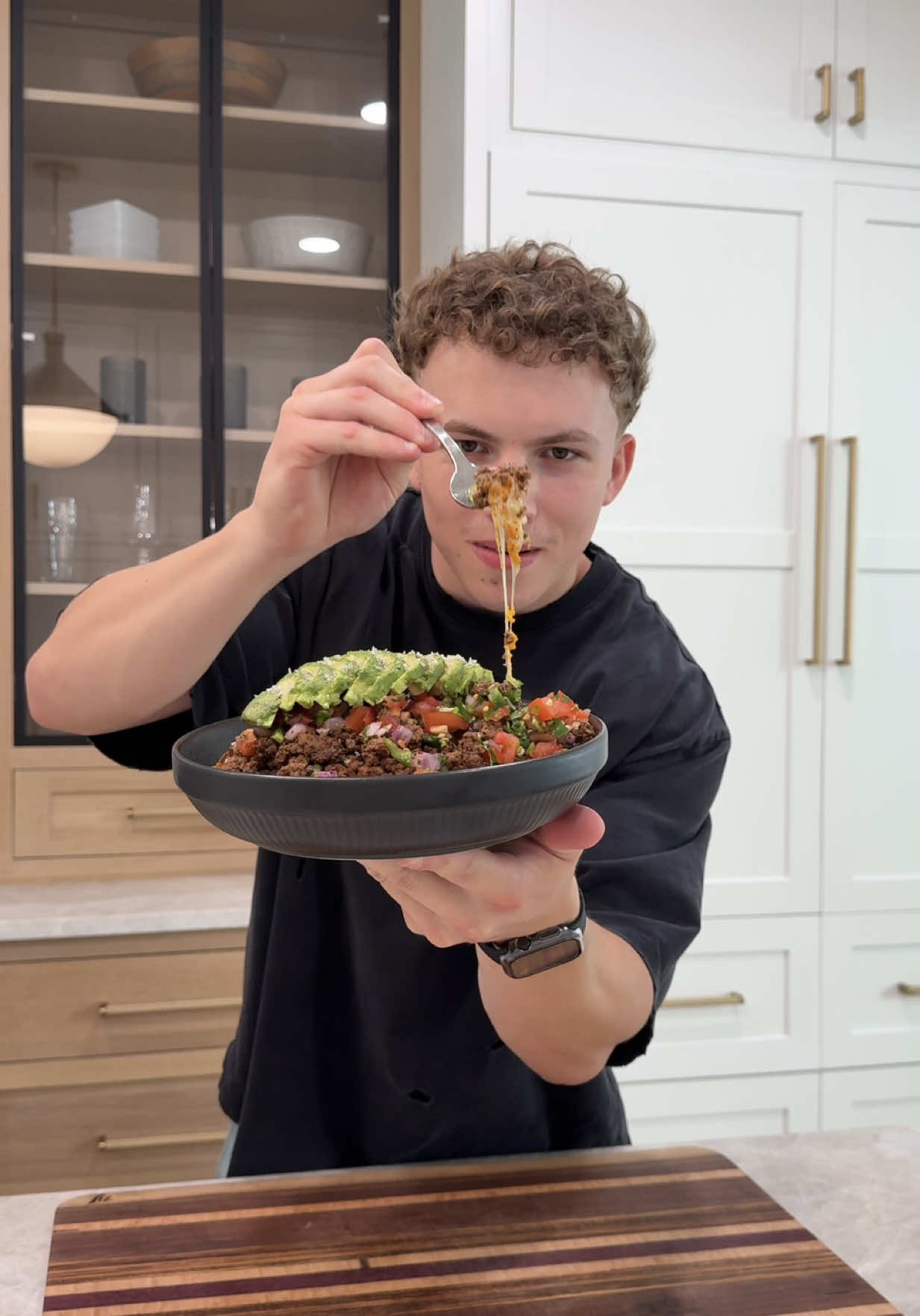
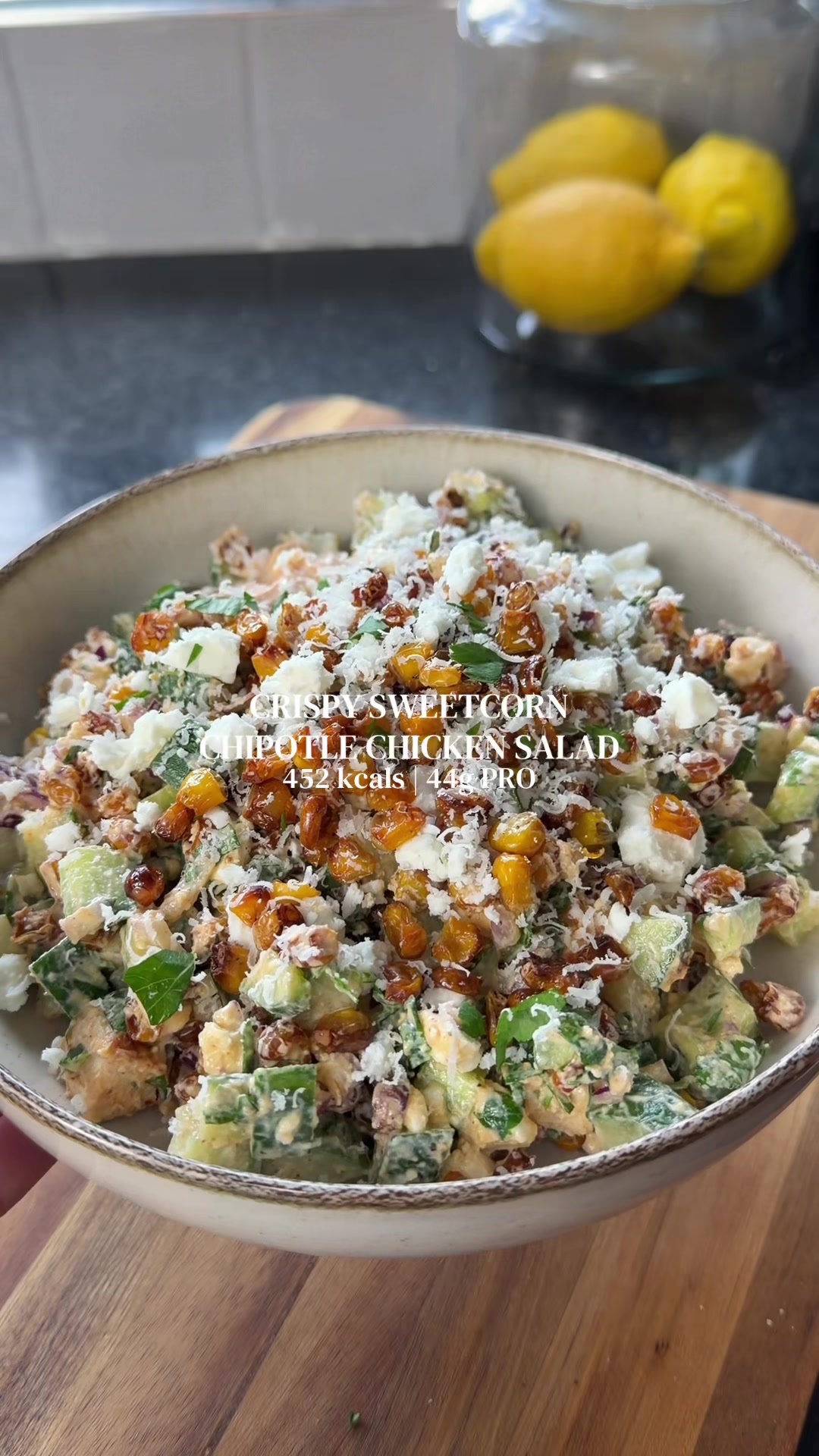
The single highest-performing video in this dataset leads not with a dish name but with an exact calorie count, protein gram total, fat, carbs, and serving yield. This format treats the caption itself as a nutritional label, and it works because fitness-minded viewers save videos they intend to cook, making save rate the primary algorithmic lever here. Vague health claims get scrolled past, but a thumbnail or opening line that reads like a macro tracker entry stops the feed cold. Creators who front-load four or five precise numbers consistently outperform those who describe flavor or ease alone.
The 'Repeat Meal' Emotional Frame Outperforms Pure Recipes
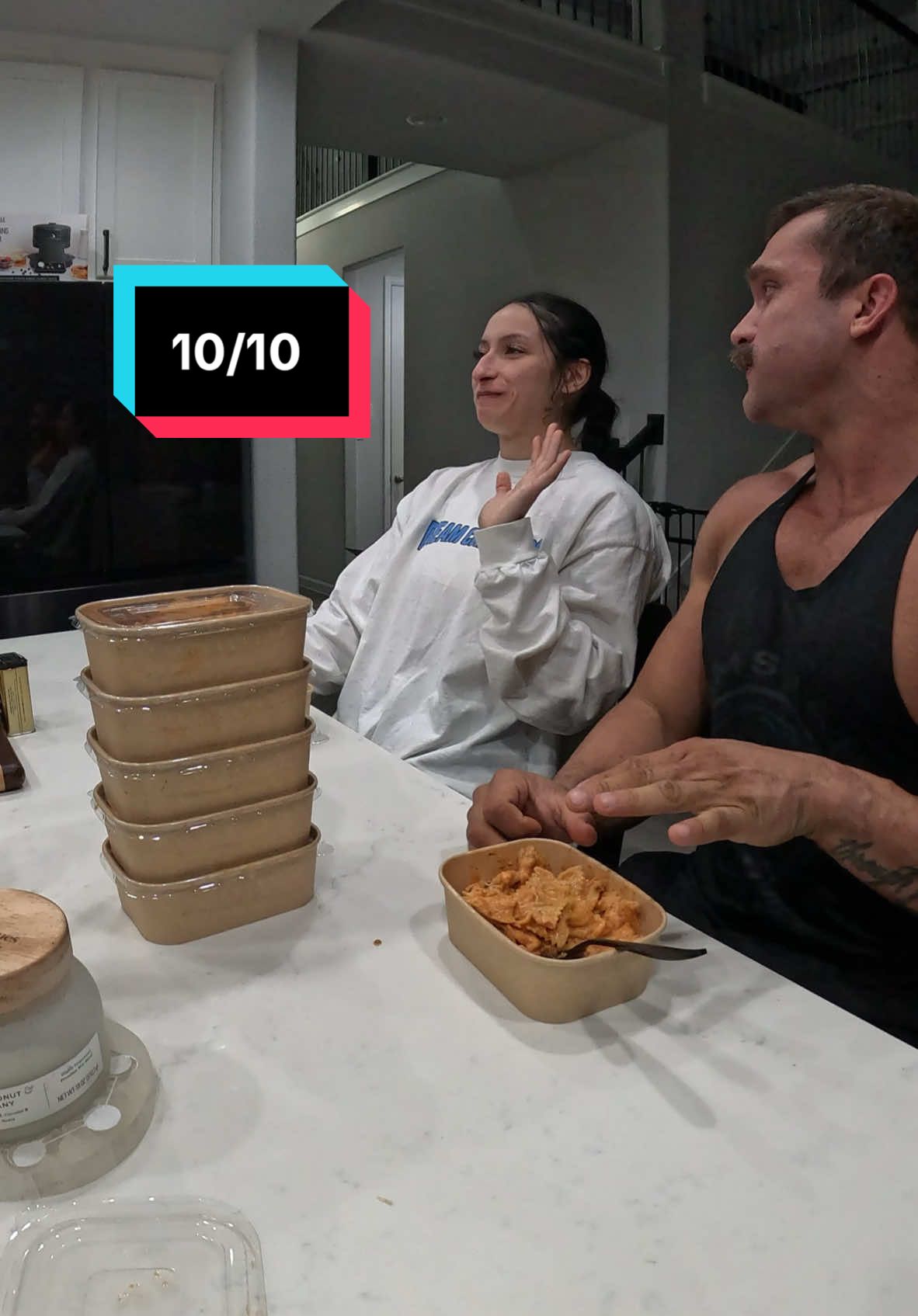
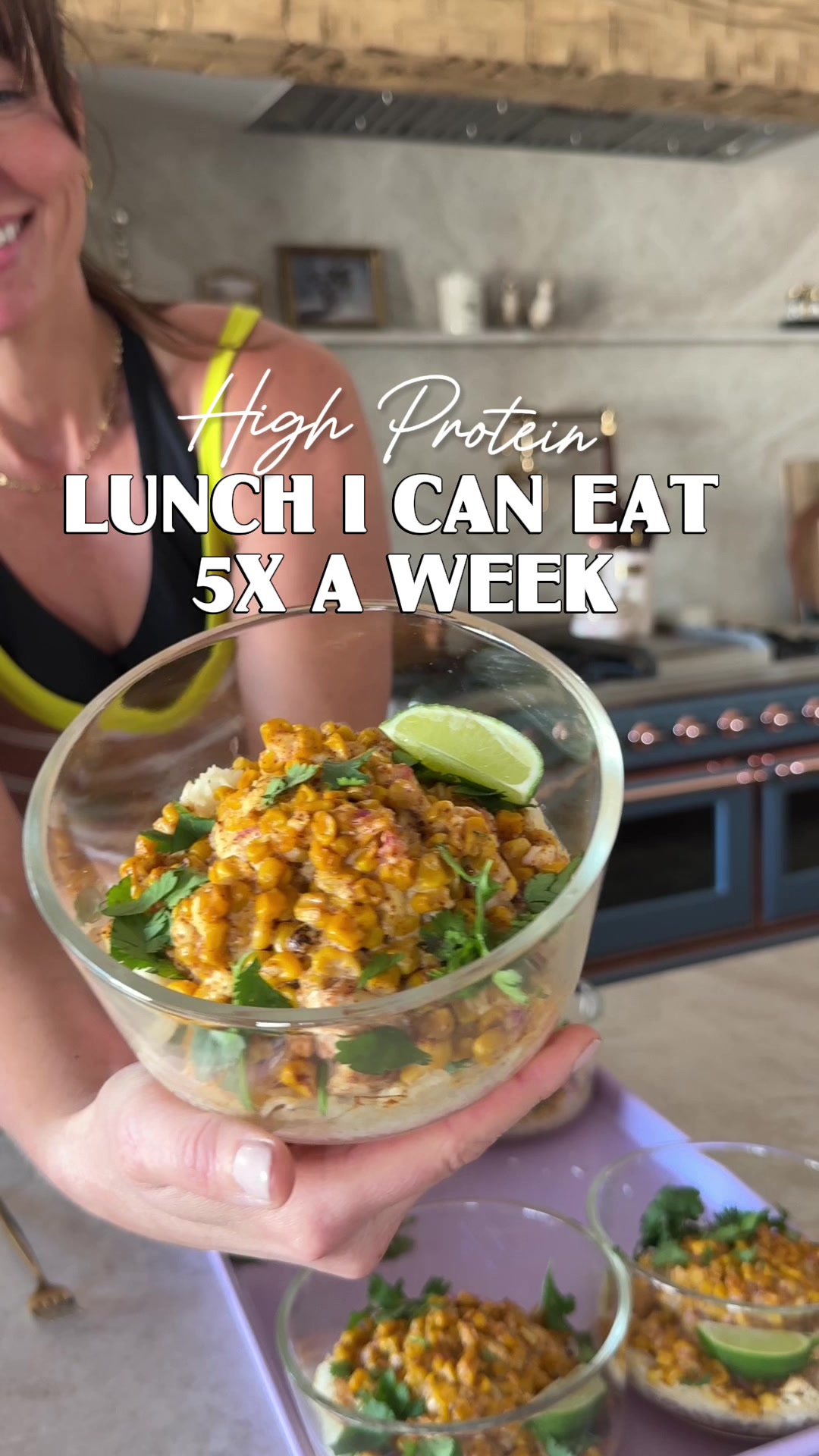
Several high-outlier videos are built around a personal declaration that the creator could eat this dish every single day, or that it has been on repeat in their house. This framing is strategically powerful because it signals that the recipe has already passed a real-world durability test, not just a one-time taste test. Viewers who meal prep are specifically looking for food they will not grow tired of by day four, so this emotional proof point directly answers an unspoken anxiety. The 'repeat meal' hook also creates a parasocial intimacy that pure instructional content misses.
Technique Revelation Hooks Outperform Generic 'Easy Meal Prep' Titles
One of the strongest outliers in this set is built around a single method change for sweet potatoes, specifically a face-down baking technique that produces caramelization. The hook is not 'how to meal prep sweet potatoes' but rather 'this method changed my meal prep,' which signals a before-and-after transformation and triggers curiosity without giving away the payoff. Technique revelation hooks perform better than simple recipe reveals because they promise a skill upgrade, not just a new dish, which makes the content feel more permanently valuable and share-worthy.
Series Formatting and Consistency Build Compounding Engagement
Two of the top five videos by outlier multiple belong to a numbered weekly series, with labeling like 'Week 28' and 'Week 29' visible in the caption. This series structure does several things at once: it rewards returning viewers with a sense of progress, it signals to new viewers that a reliable content system exists, and it trains the algorithm to surface new episodes to past engagers. The blog post cross-link mentioned in these captions also suggests a multi-platform funnel that deepens audience commitment beyond a single view. Creators who build a named, numbered series format consistently outperform one-off recipe posts at the account level.
Cultural Identity and Audience Targeting Unlock Underserved Demand
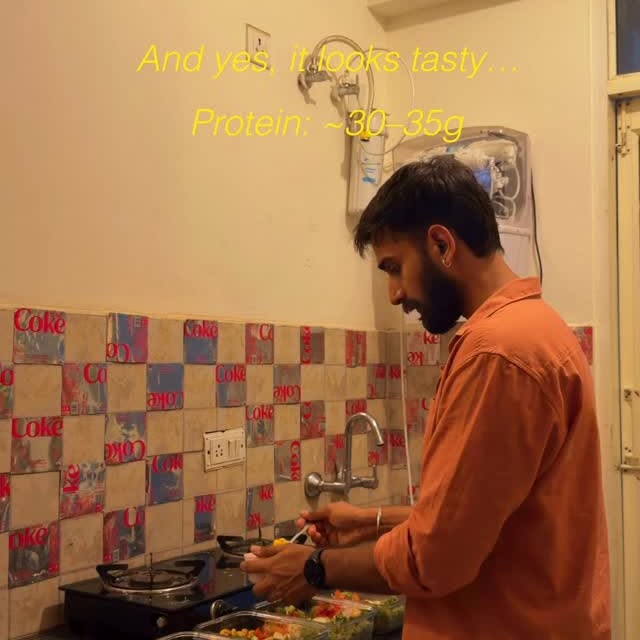
The top outlier video by a wide margin incorporates cultural specificity, targeting Indian meal prep and busy professionals simultaneously, which stacks two distinct audience identifiers in one piece of content. Most meal prep content defaults to a generic Western palate, so content that explicitly names a cultural cuisine or a specific lifestyle segment, such as corporate workers or lazy-girl routines, captures viewers who feel unseen by mainstream meal prep creators. The 'lazy girl' framing is another strong example from this dataset, pairing a self-deprecating identity hook with a high-protein qualifier to attract two overlapping audiences at once. Niche-within-a-niche targeting is a reliable path to outsized outlier multiples.
Analysis generated by Reelyze from 20 top-performing meal prep videos.