






What Makes Mental Health Short-Form Videos Go Viral
Mental health content on short-form video platforms thrives on two dominant forces: emotional resonance and identity recognition. The highest-performing videos in this niche do not simply inform - they make viewers feel instantly seen, whether through a blunt confession, a validating message, or a credible expert voice. The winning formula consistently balances vulnerability with relatability, giving audiences both a mirror and a moment of relief.
The Hook Styles That Stop the Scroll
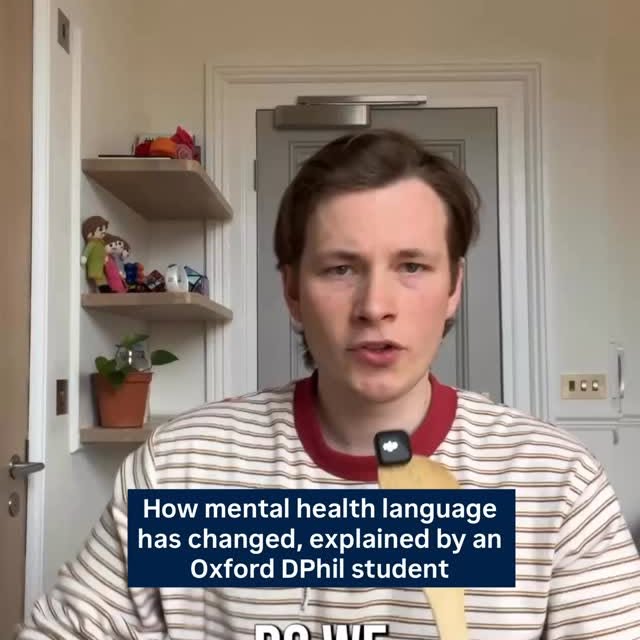
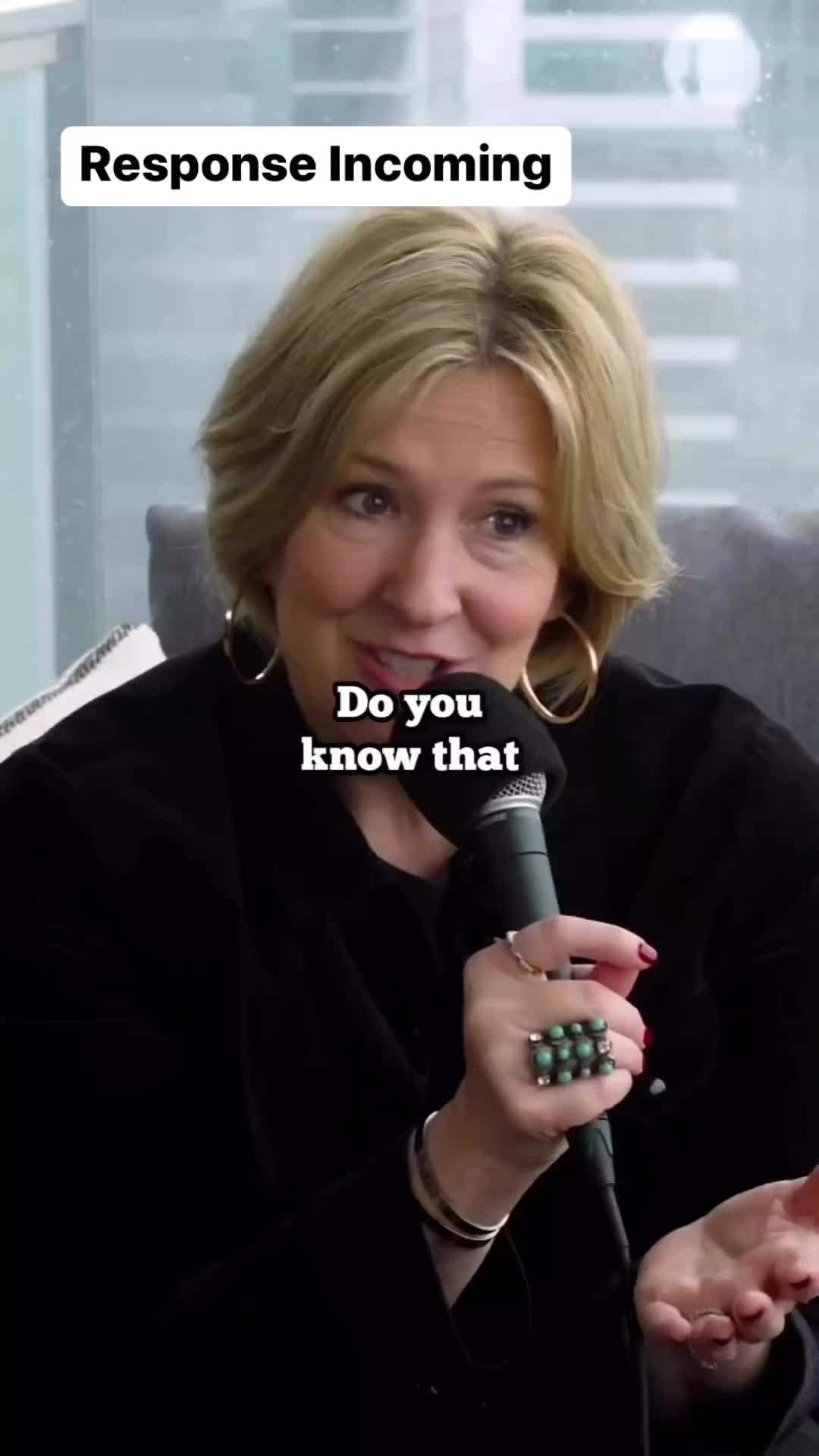
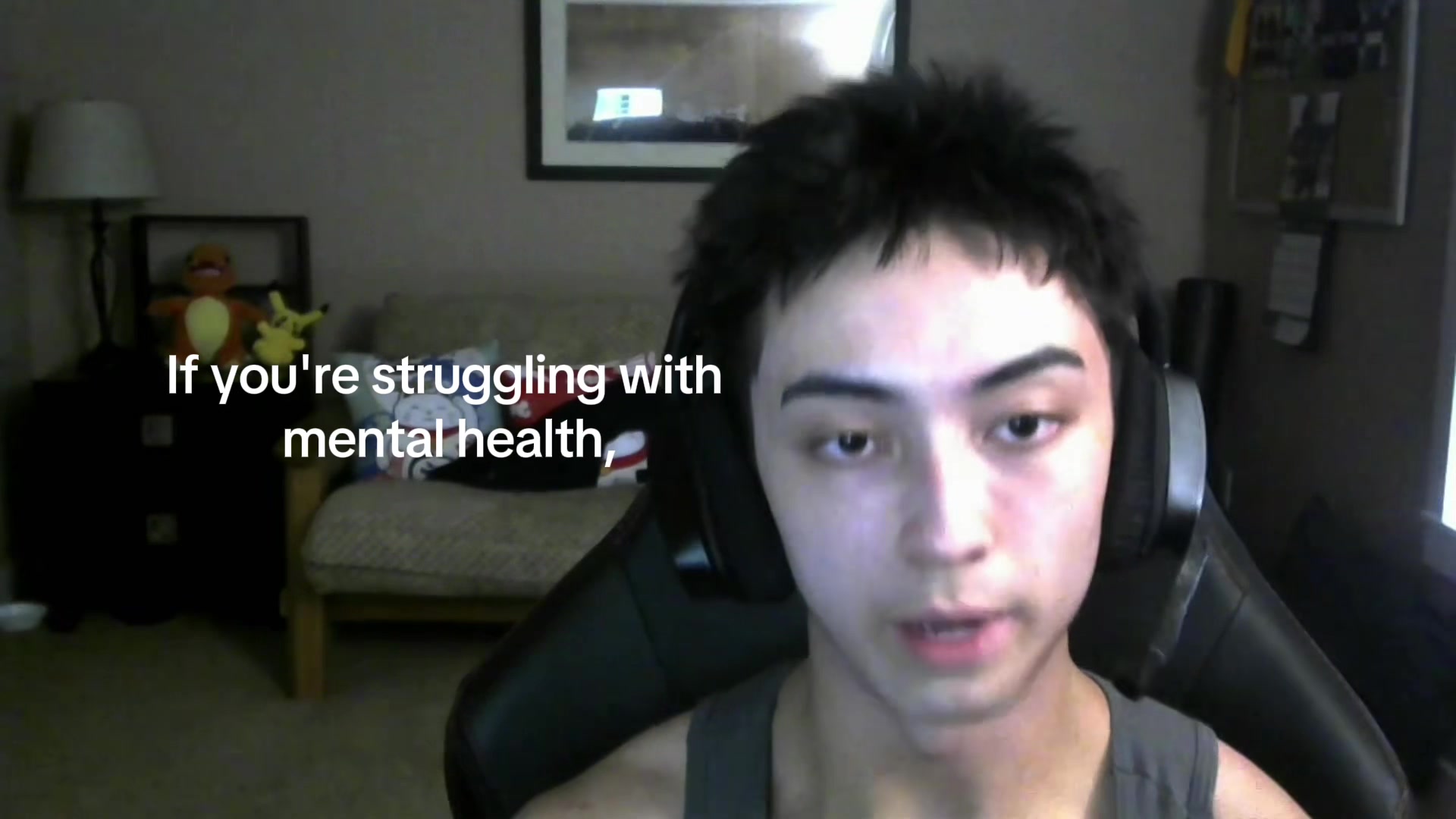
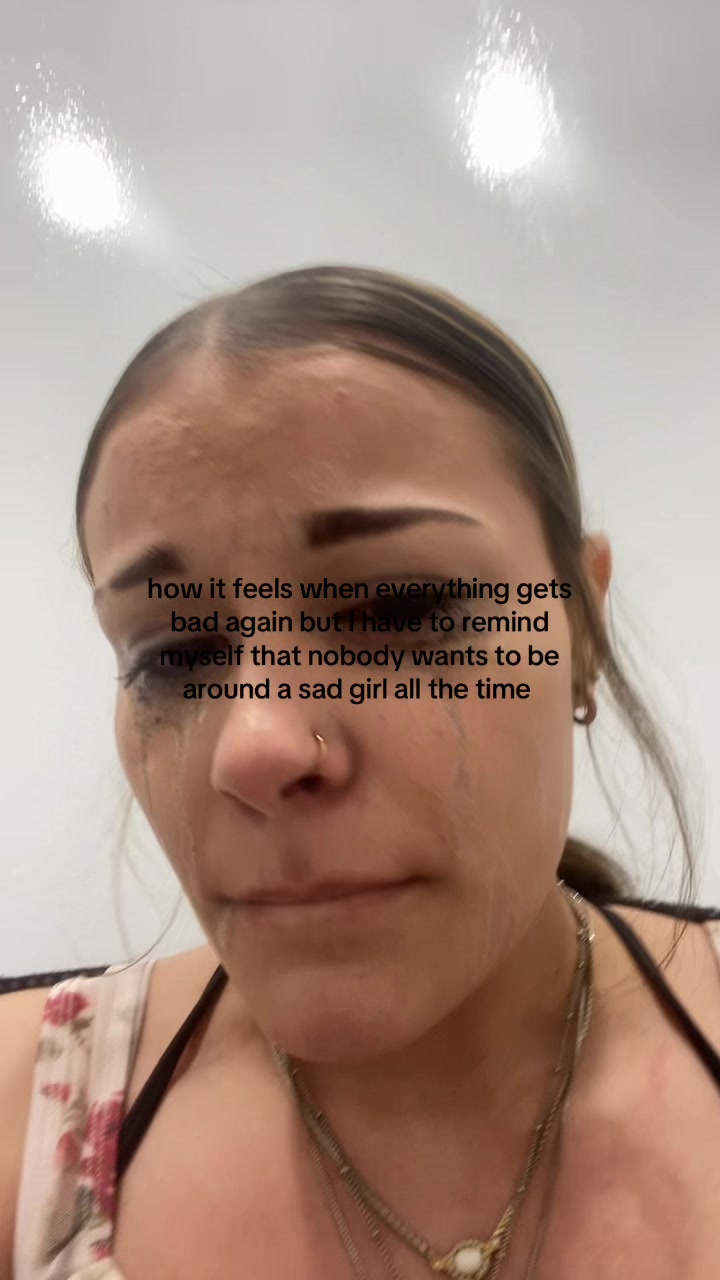
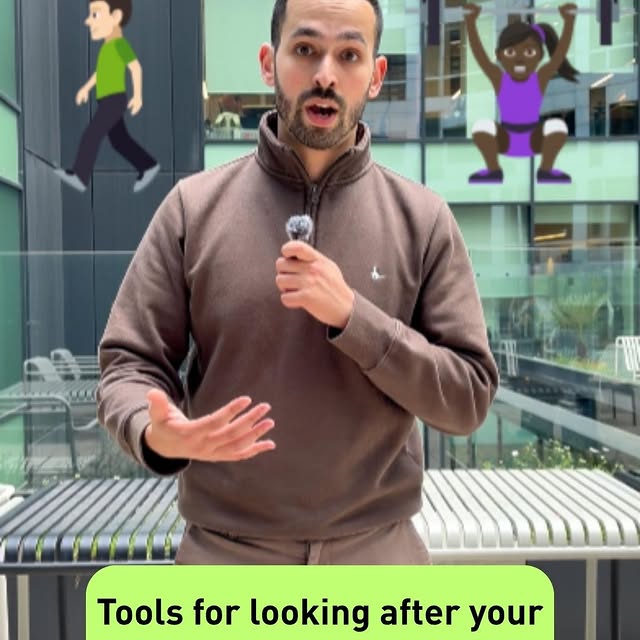
The most powerful hooks in this niche fall into three categories: the blunt emotional declaration, the expert credential drop, and the collective call-out. Videos that open with a raw, unfiltered feeling - such as expressing frustration with a specific condition - trigger immediate self-identification in viewers who share that experience. Expert-led hooks work differently, leaning on a title or institutional affiliation to establish trust in the first half-second. The collective call-out hook addresses a group directly, framing the content as a message meant specifically for them, which creates an almost irresistible sense of personal relevance.
Identity and Community Framing Drive Massive Reach
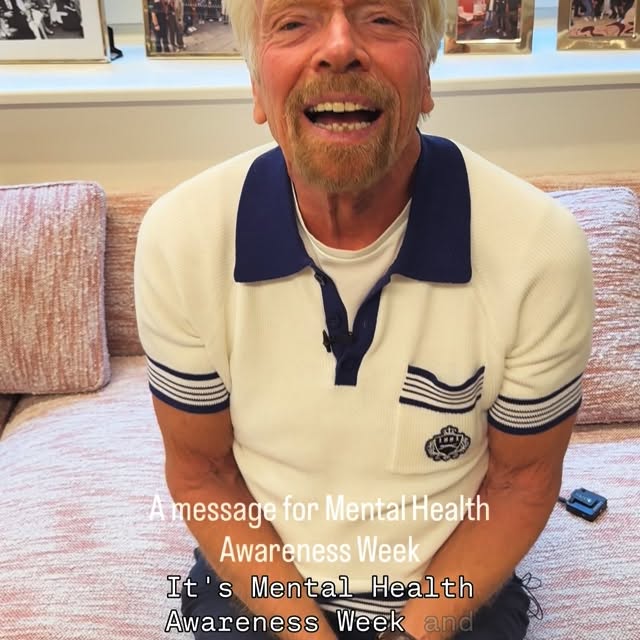
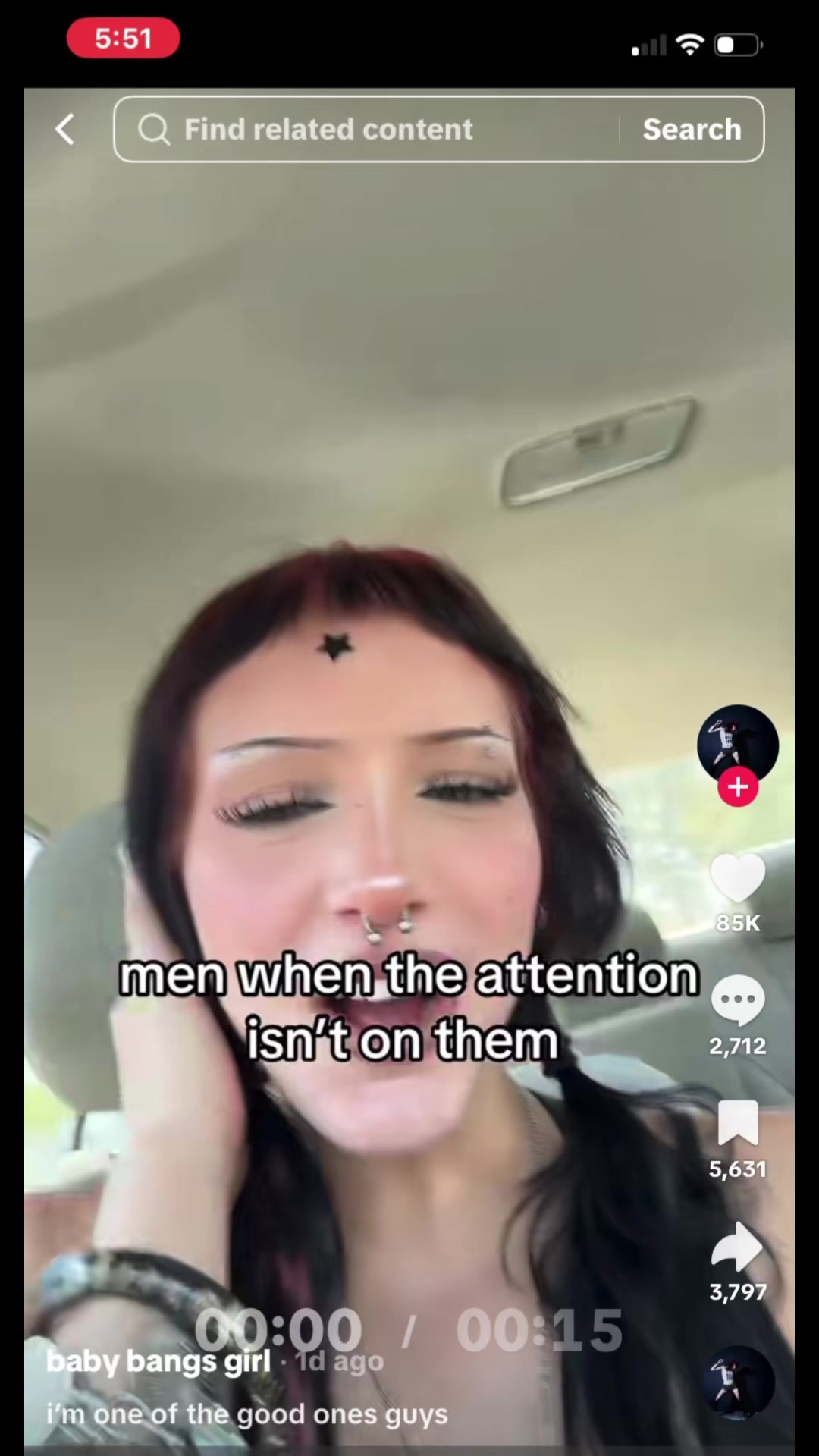
Several of the highest-outlier videos succeed because they anchor their message to a specific identity group - men, people with ADHD, survivors of toxic relationships, or people observing a cultural moment like Pride Month. When a video feels like it was made for a particular community rather than a general audience, that community amplifies it through shares and saves far beyond what a broad mental health message achieves. The most extreme outlier in this dataset, nearly 500 times above average, is a credentialed expert speaking directly to a specific demographic, combining all three of these identity signals at once.
Format Patterns: Talking Head, Text-Over-Feeling, and Expert Clip
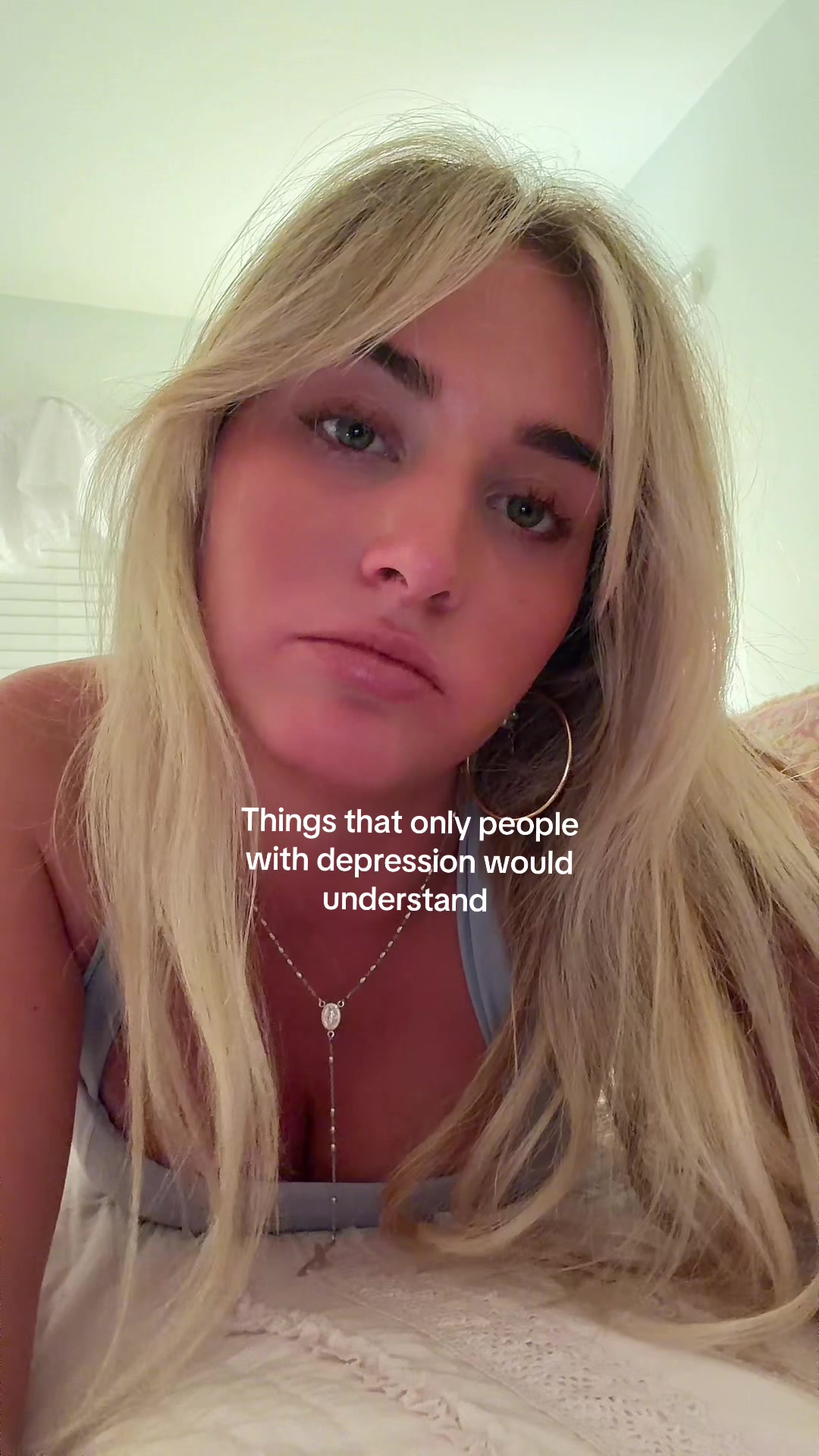
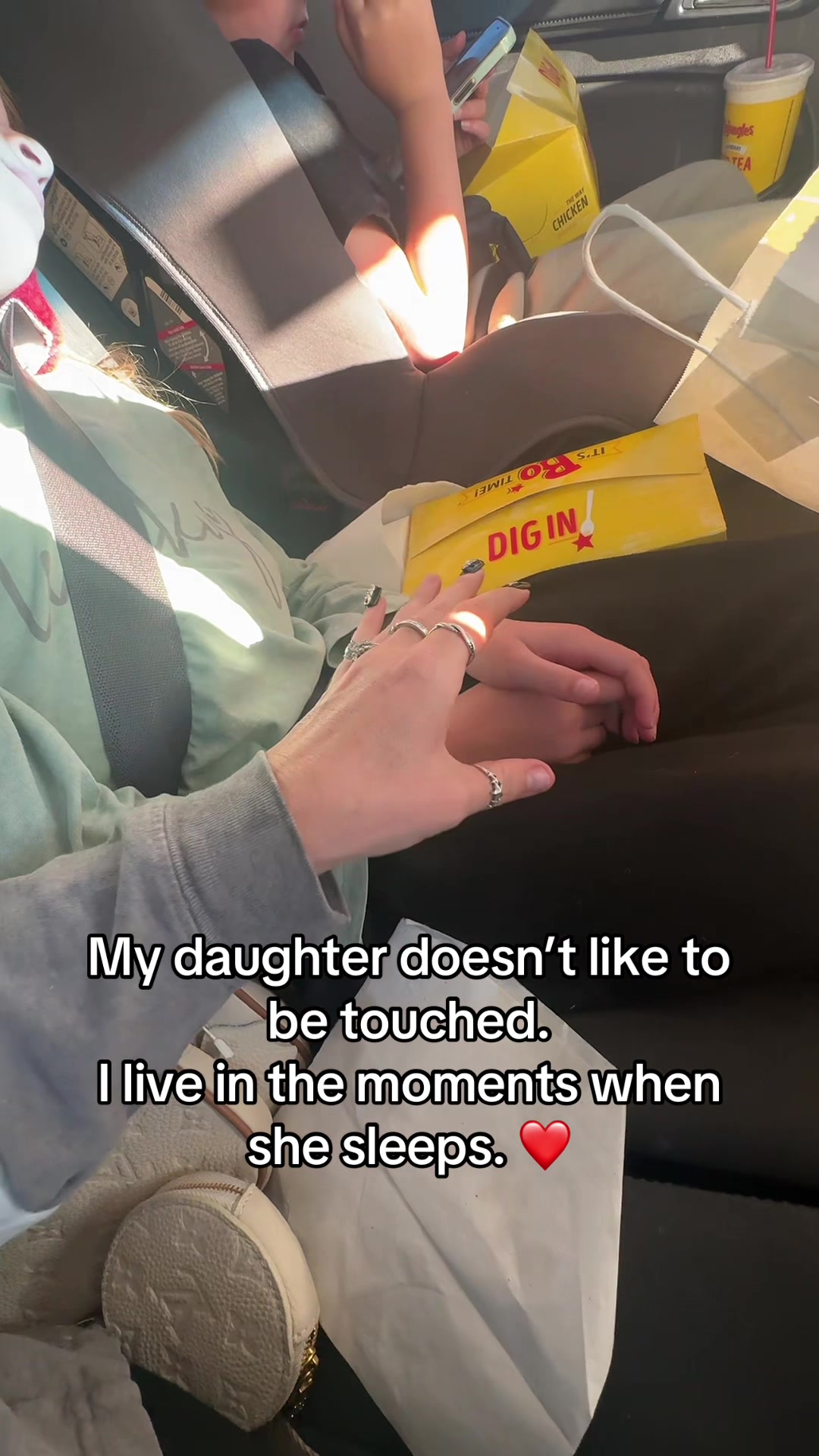
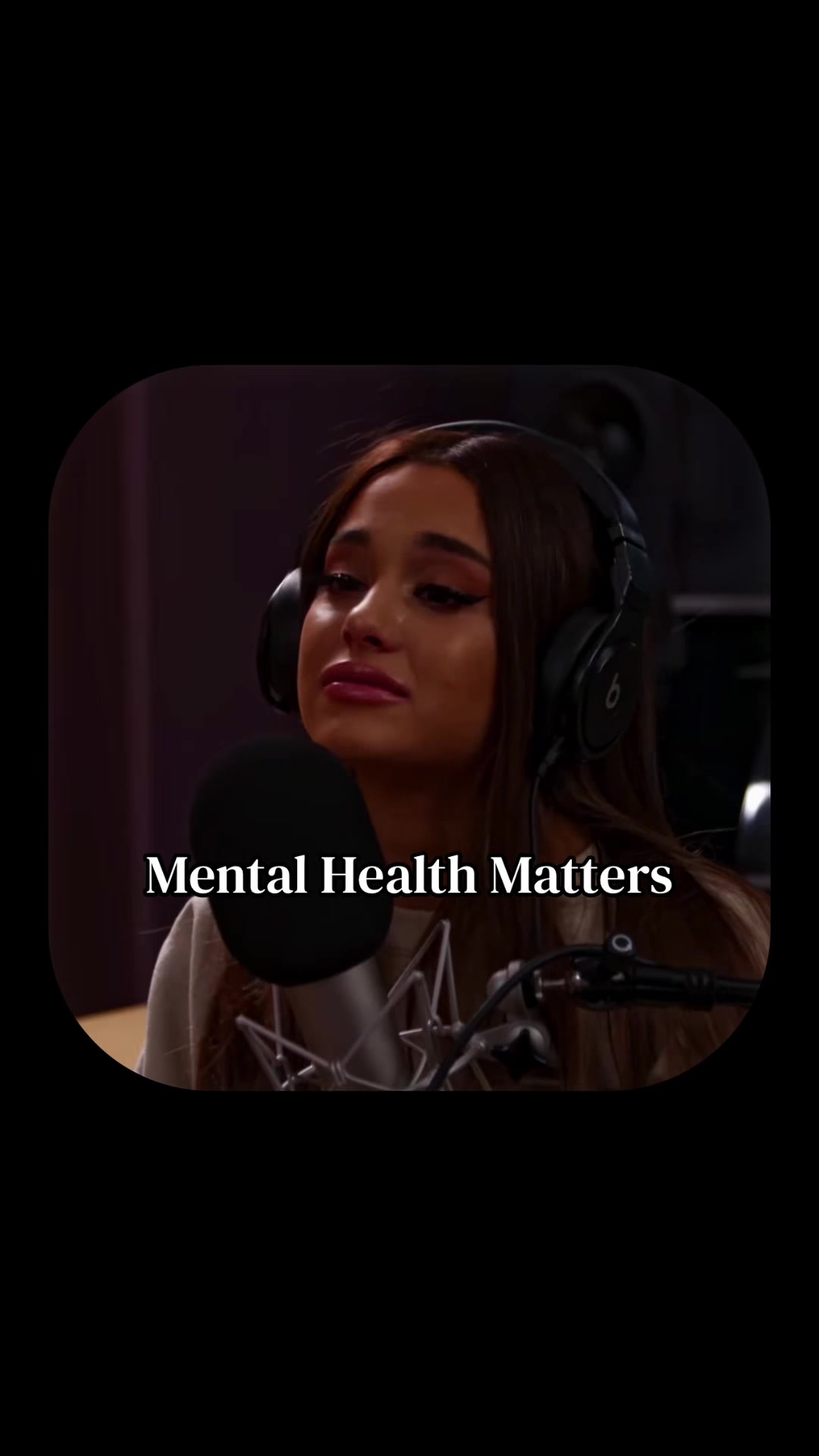
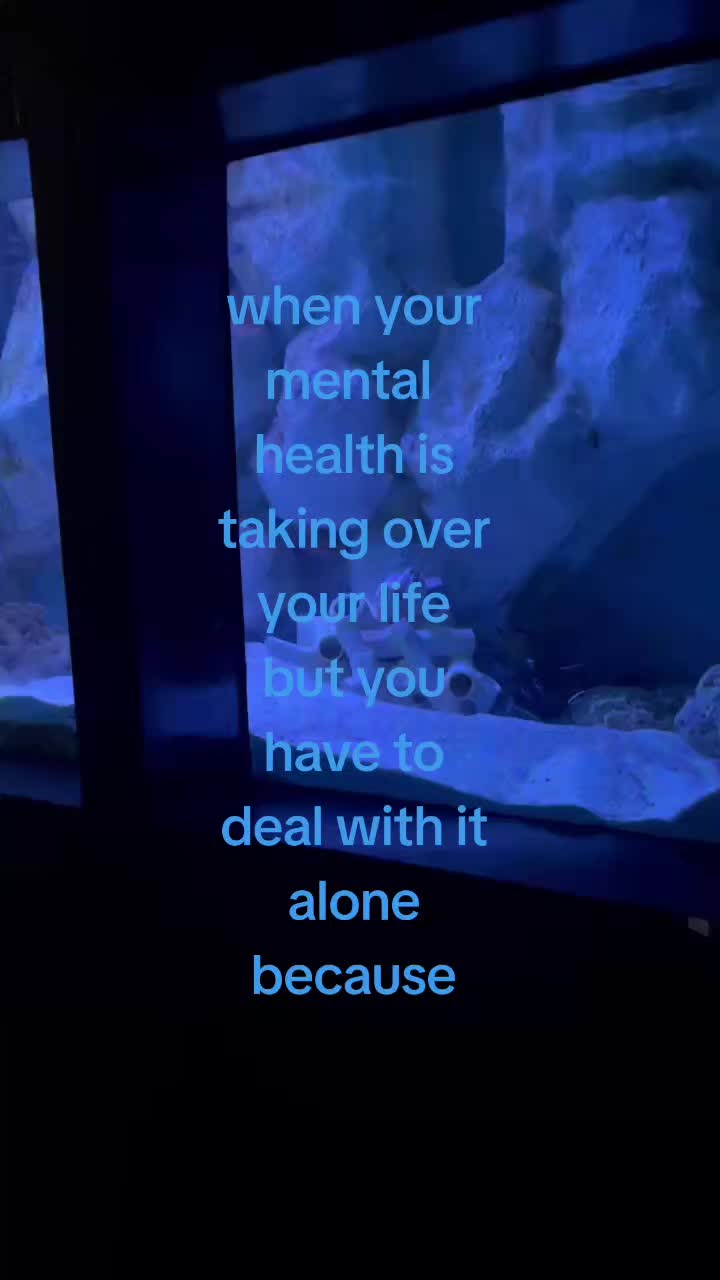
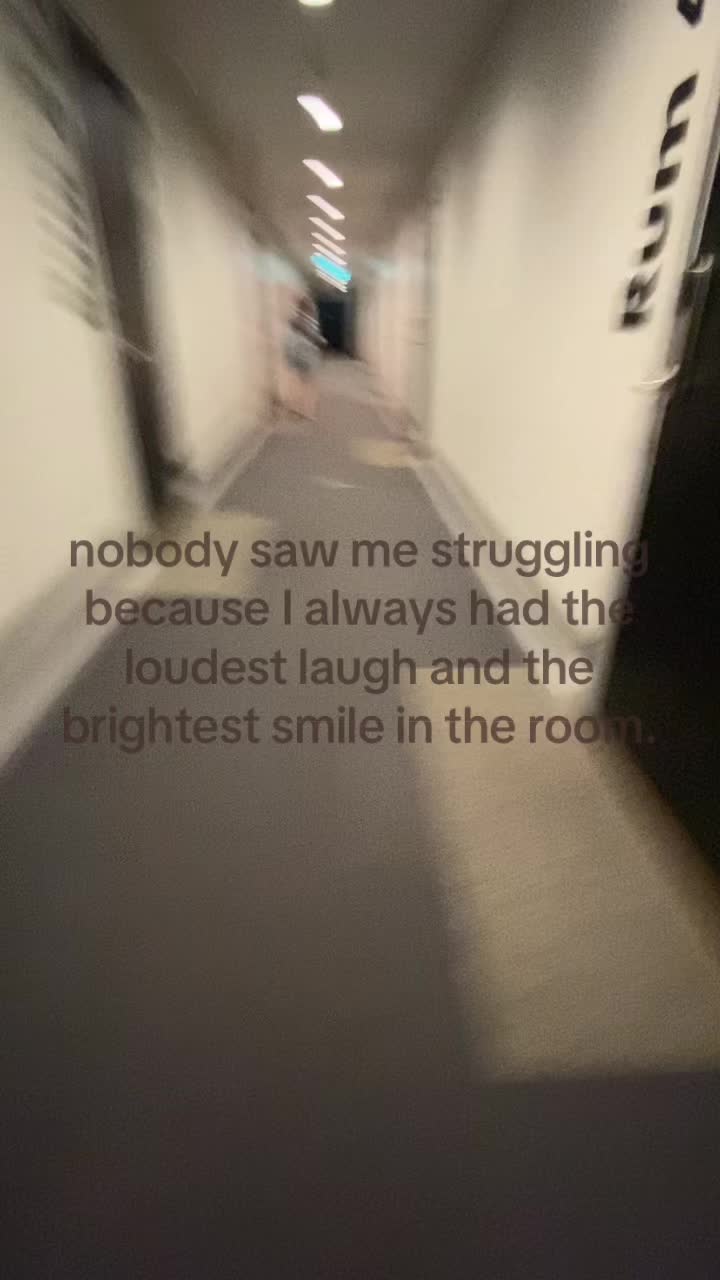
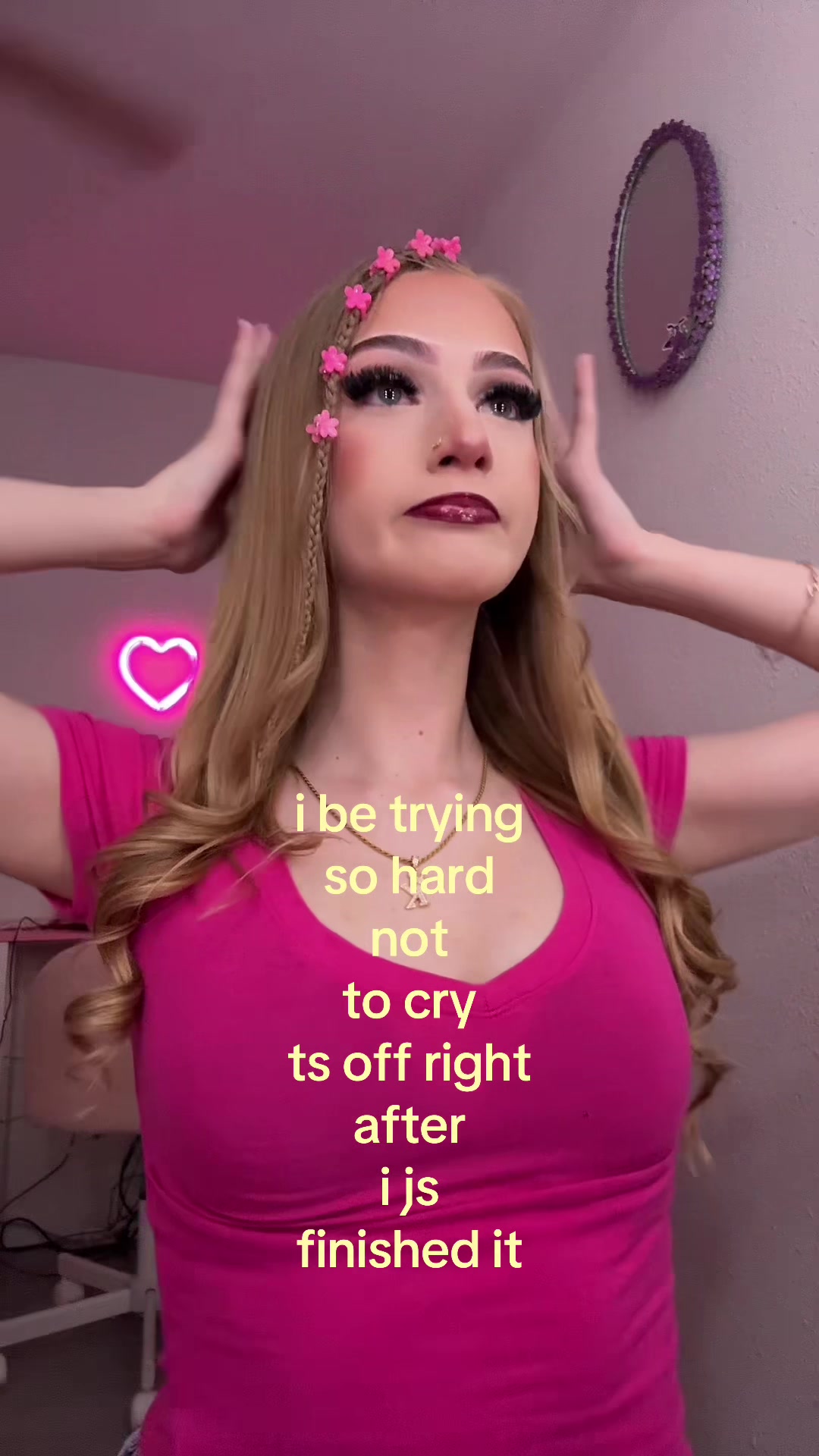
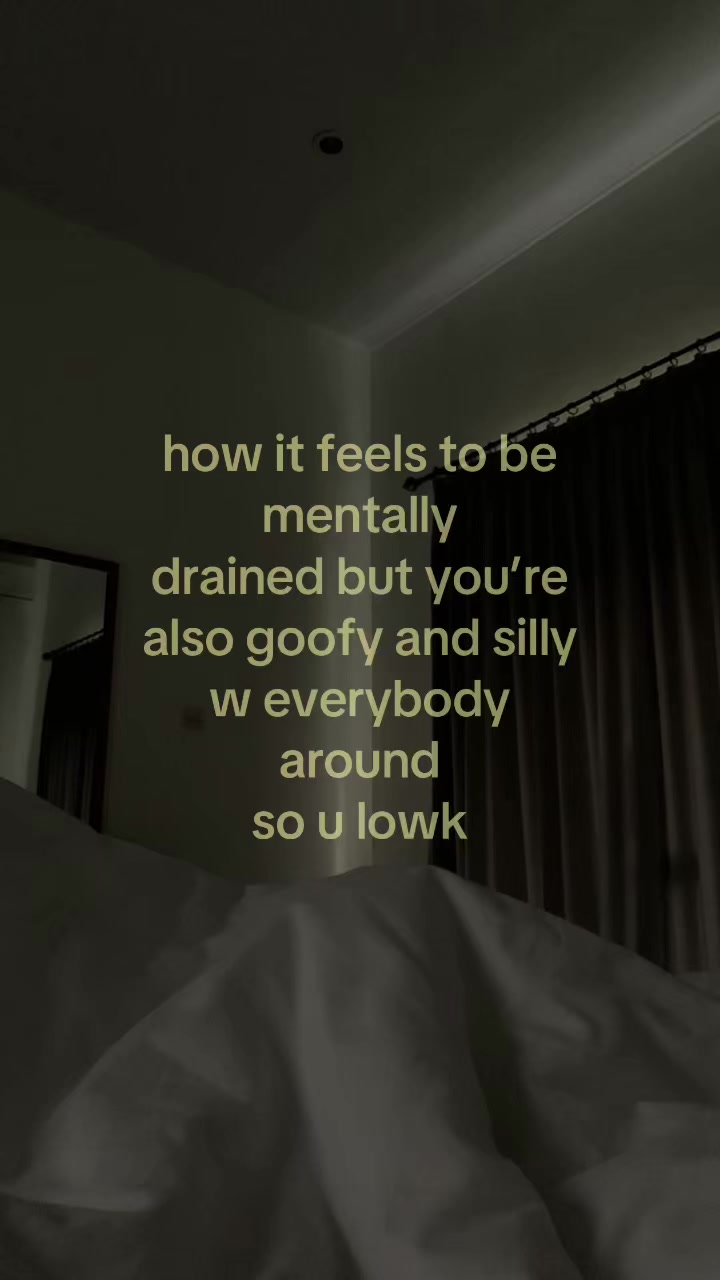
Three formats dominate the top performers. The talking head or expert-to-camera format performs best when paired with a strong credential, because viewers accept the speaker as a trusted guide rather than just another person sharing opinions. The text-over-emotional-visual format - where minimal or no narration accompanies words on screen - captures viewers who are scrolling silently and converts emotional resonance into shares. The repurposed long-form clip, pulled from a podcast or longer interview and trimmed to a single insight, benefits from an existing audience and a built-in call-to-action directing viewers to the full episode.
Topic Clusters That Consistently Outperform
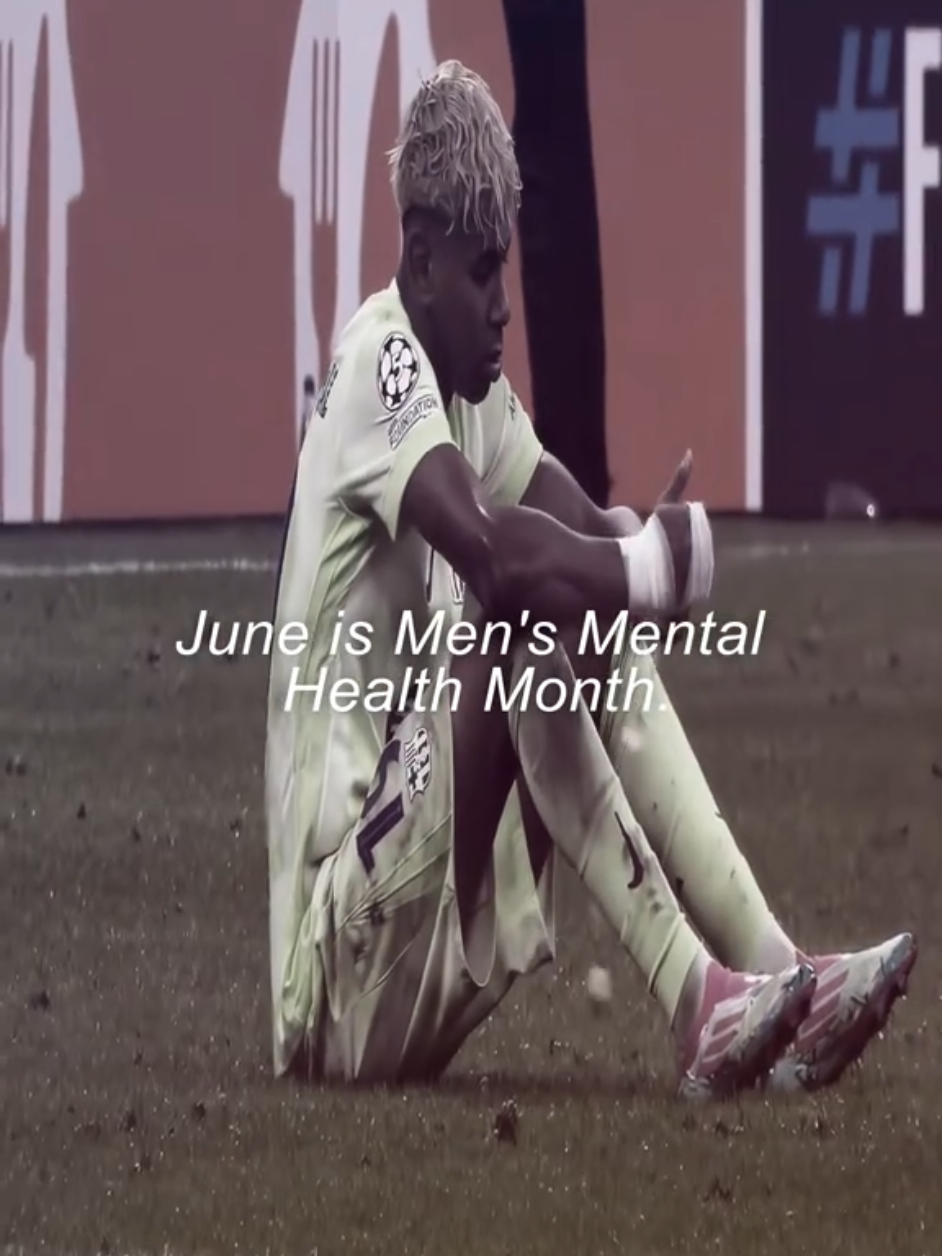
Across the data, four topic clusters reliably drive above-average engagement: men's mental health and the stigma of silence, neurodivergent experiences especially ADHD, toxic personality dynamics including narcissism, and broad validating messages tied to awareness events or cultural moments. Men's mental health content appears multiple times in the top performers, suggesting significant unmet demand and high share behavior within that audience. Narcissism and toxic relationship content benefits from a strong discovery mechanism, as viewers actively search for language to describe their experiences and then share what finally names it for them.
Structural Patterns: Short Validation Loops and Open Emotional Loops
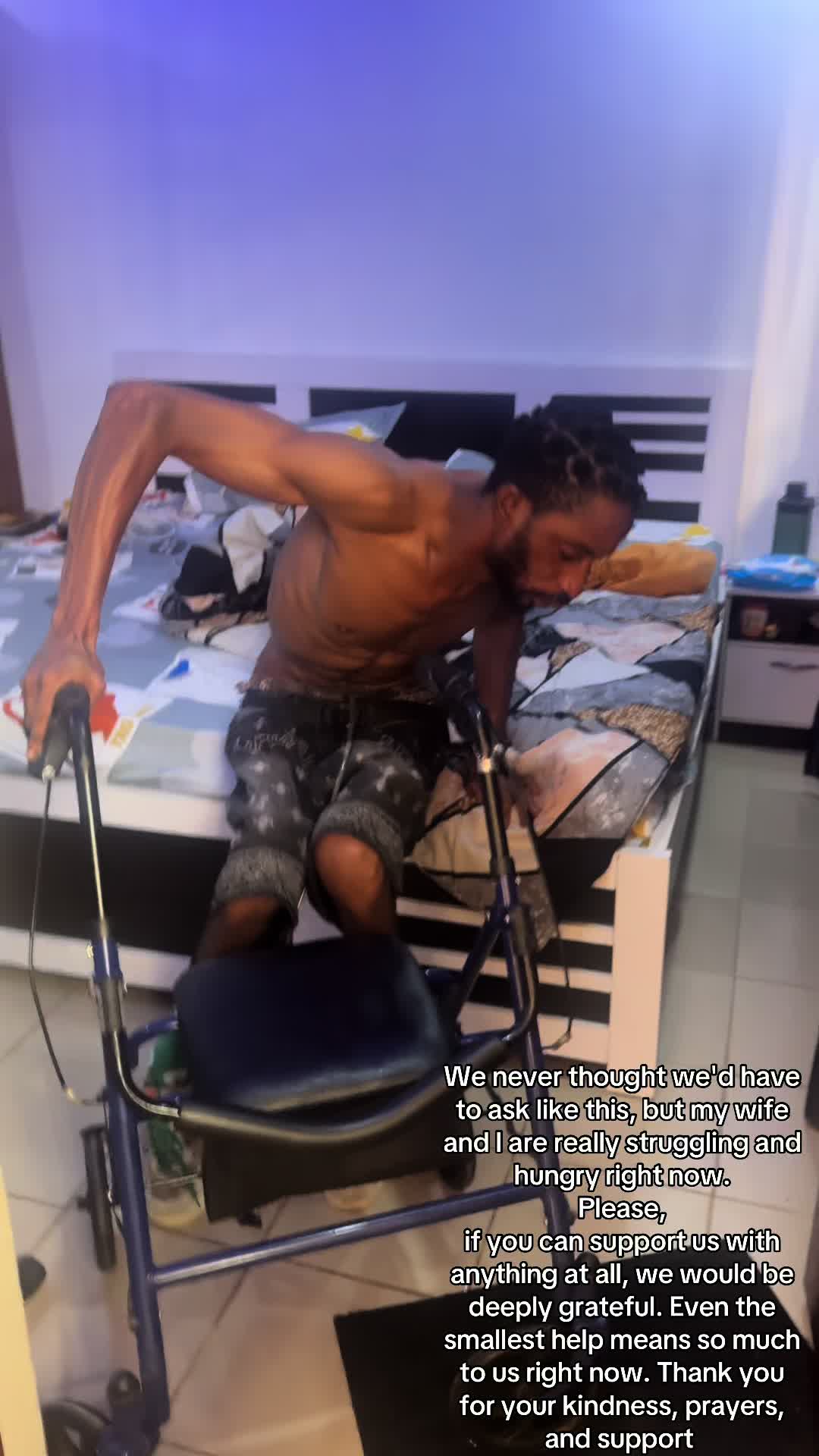
The most effective structural approach in this niche is what can be called a short validation loop - the video opens by naming a painful or relatable experience, confirms it is real and shared, and closes with a brief message of solidarity or hope. This loop completes in under 30 seconds and leaves the viewer feeling better for having watched, which is the primary driver of saves and shares. A second structure, the open emotional loop, names a feeling or dynamic without fully resolving it, prompting viewers to comment their own experiences and dramatically boosting algorithmic visibility through engagement depth rather than just view count.
Analysis generated by Reelyze from 20 top-performing mental health videos.