




What Makes Travel Tips Short-Form Videos Go Viral
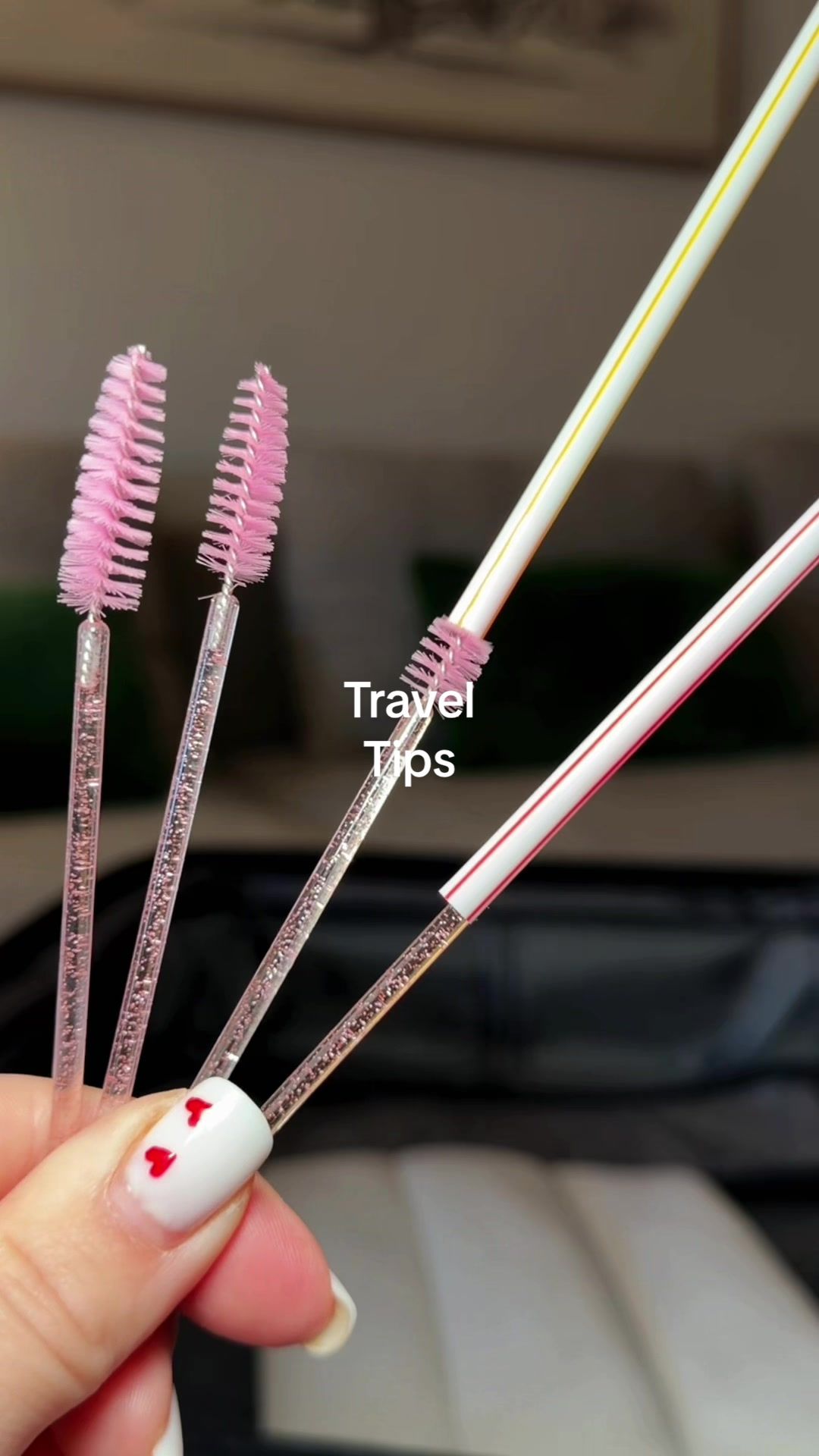
Travel tips videos consistently outperform in short-form because they deliver immediate, actionable value that viewers feel compelled to save and share before their next trip. The top performers share a common DNA: they frame ordinary travel friction, packing stress, flight discomfort, hidden fees, as problems the viewer did not know had a solution. The strongest outliers combine a credibility source, a specific dollar figure or sensory payoff, and a format that feels discovered rather than produced.
Hook Style: The Insider Revelation
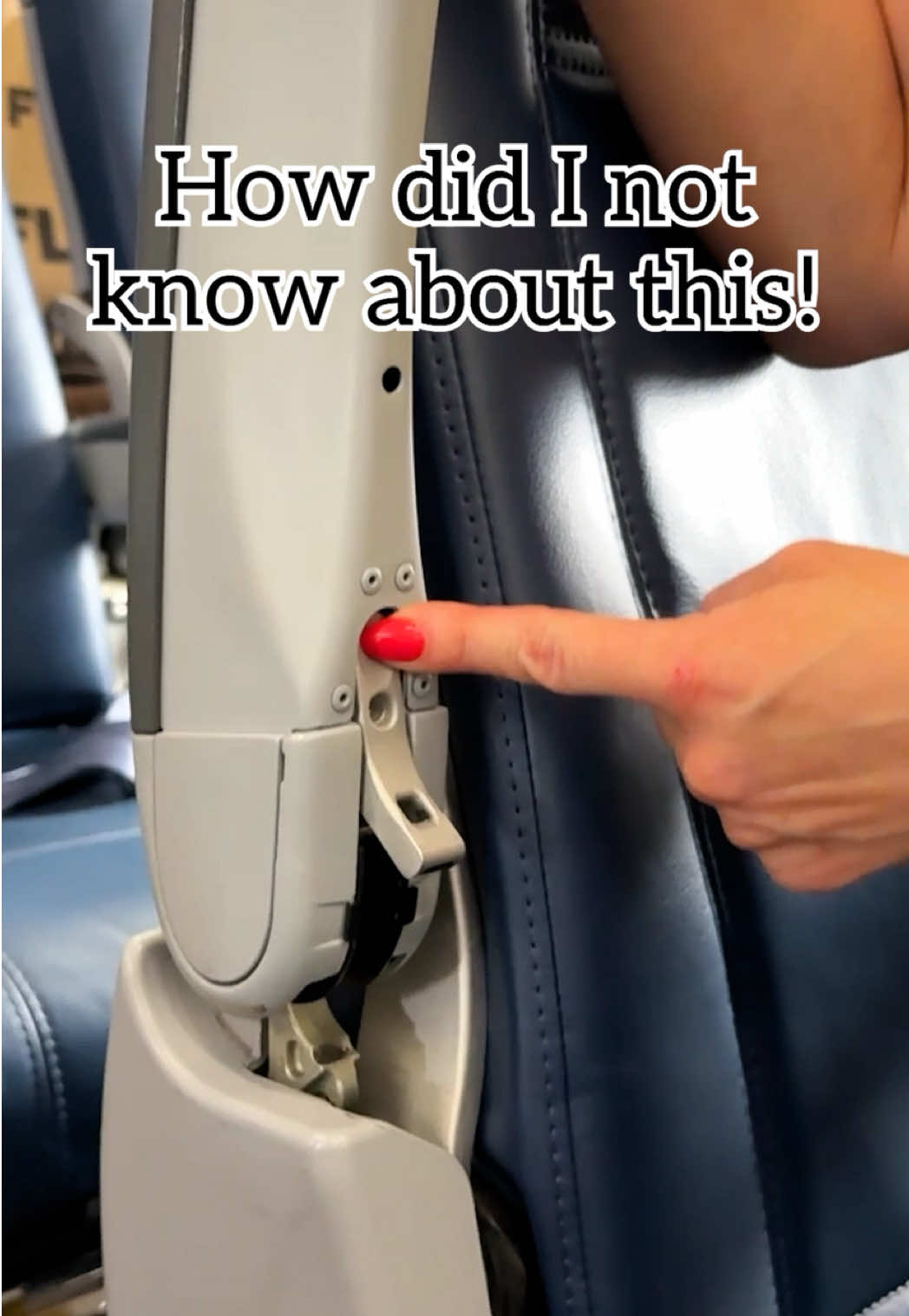
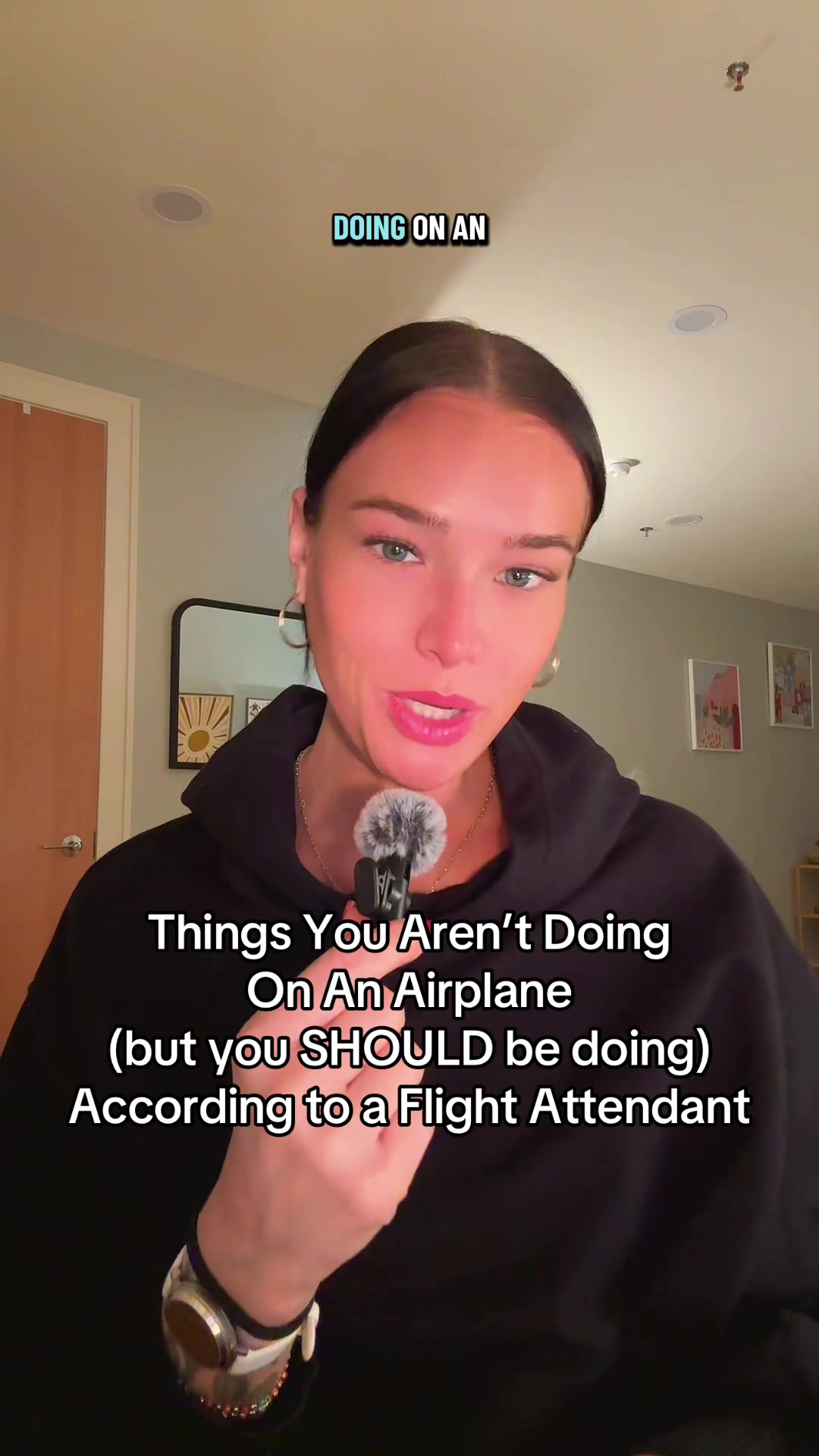
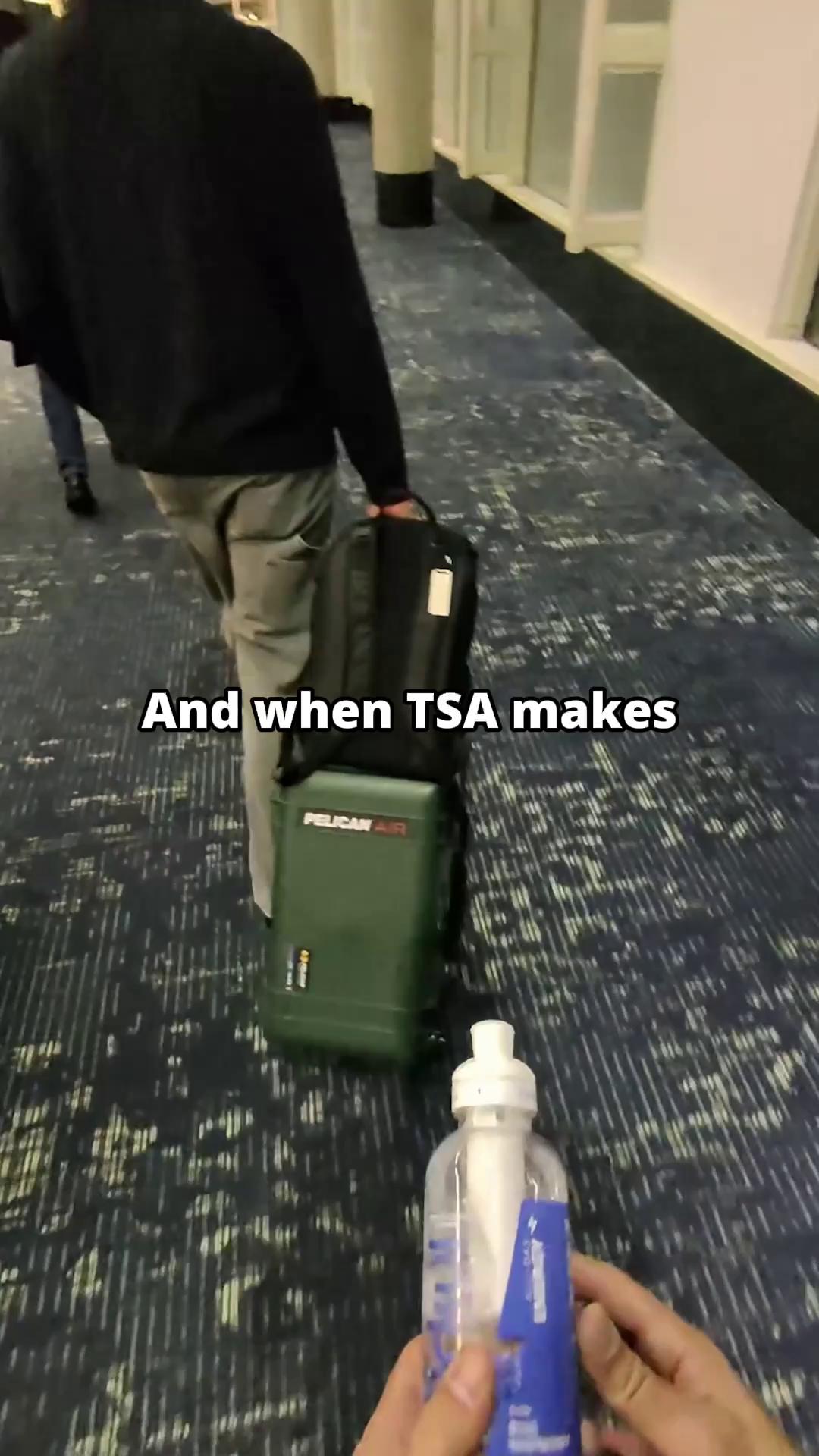
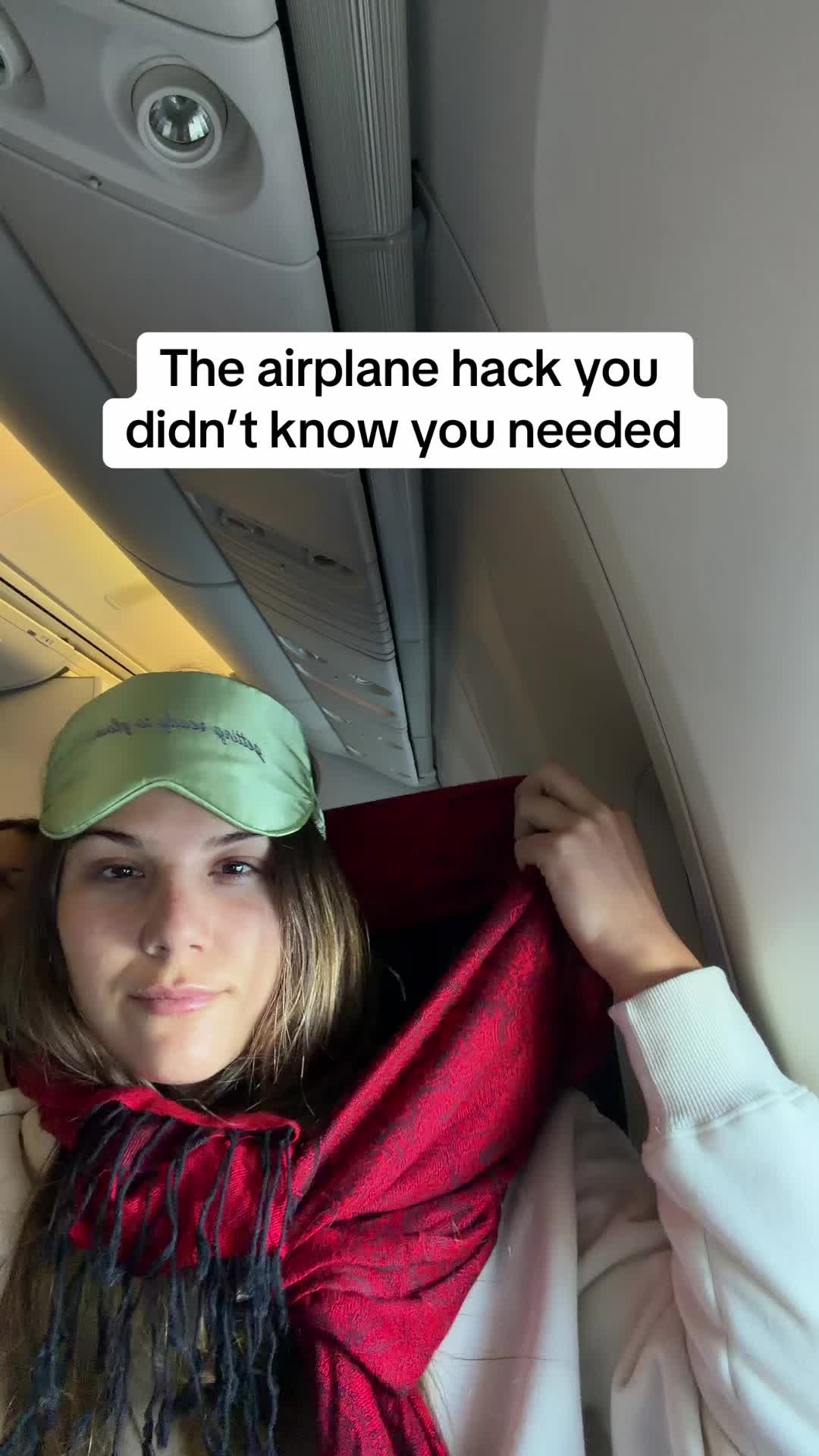
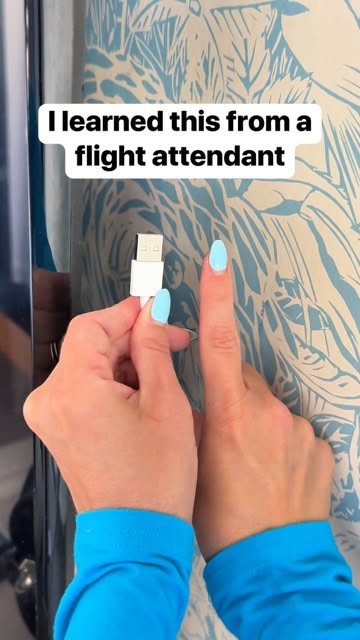
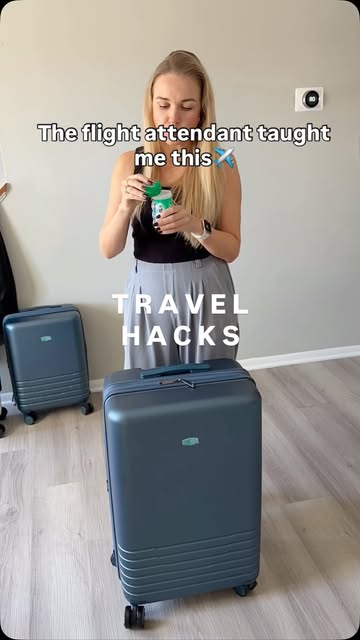
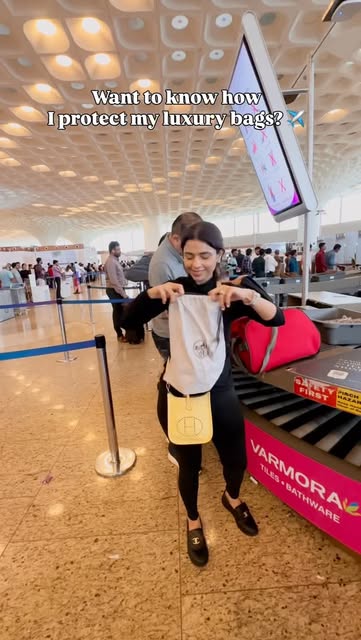
The single most powerful hook pattern in this niche is the attributed insider tip, specifically crediting a flight attendant, airline employee, or industry source as the origin of the information. This framing does two things at once: it signals that the viewer is about to receive privileged knowledge, and it pre-empts skepticism by lending professional authority. Videos using this structure consistently outperform generic tip compilations because the hook answers the implicit viewer question, 'why should I trust this?' before they can ask it.
Hook Style: Quantified Savings and Concrete Stakes
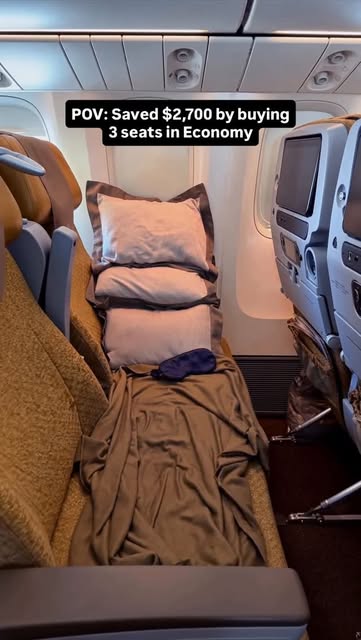
Several of the highest-outlier videos anchor their hook around a specific, surprising number, whether it is a dollar amount saved, a number of seats purchased, or a count of changes travelers need to know. Specificity beats vagueness because it creates an instant curiosity gap: the viewer cannot intuit how the outcome was achieved from the number alone, so they must keep watching. A round, relatable savings figure in the hundreds or thousands also activates a 'that could be me' response that abstract advice never triggers.
Format: The Packing Reveal
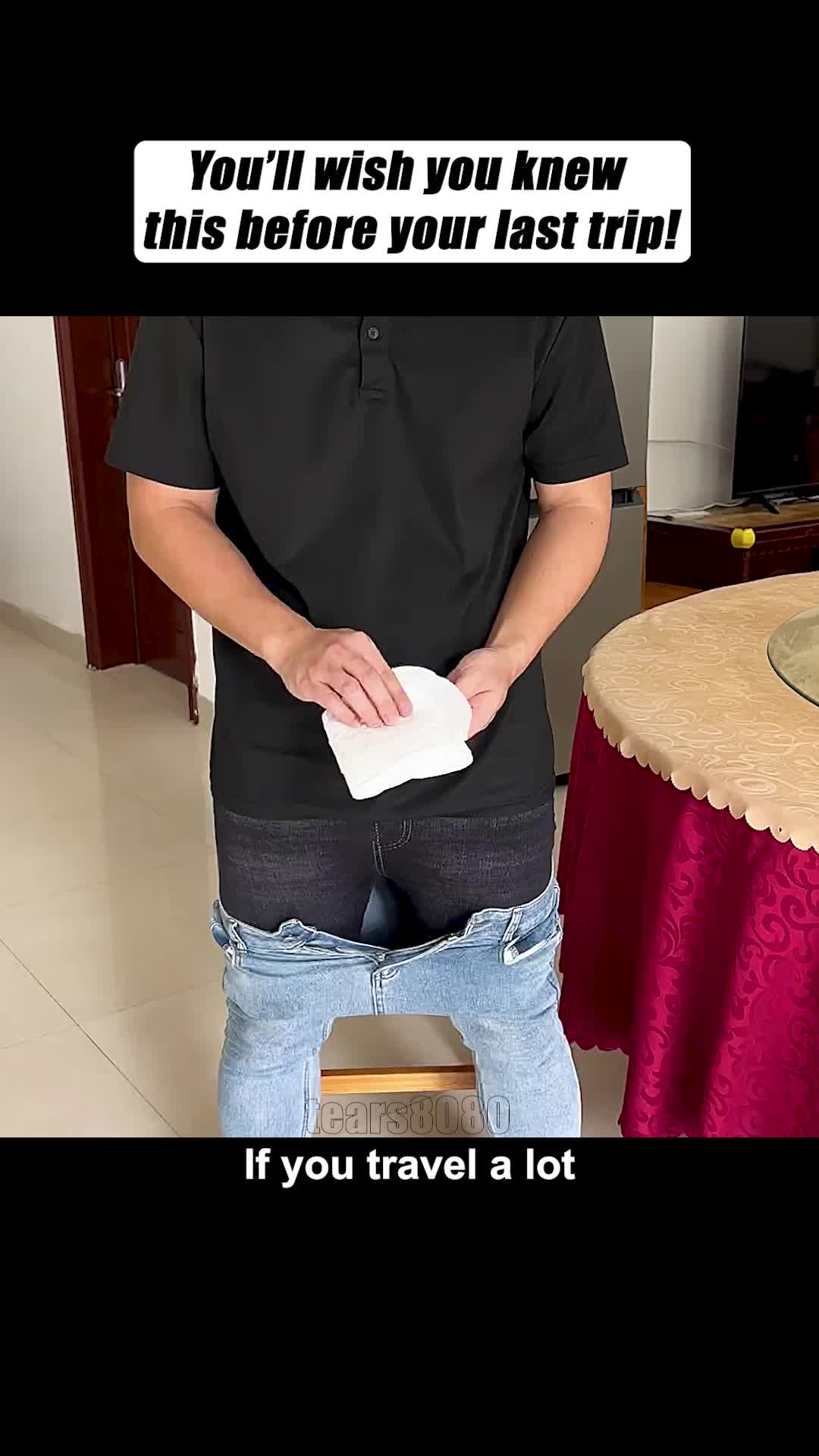
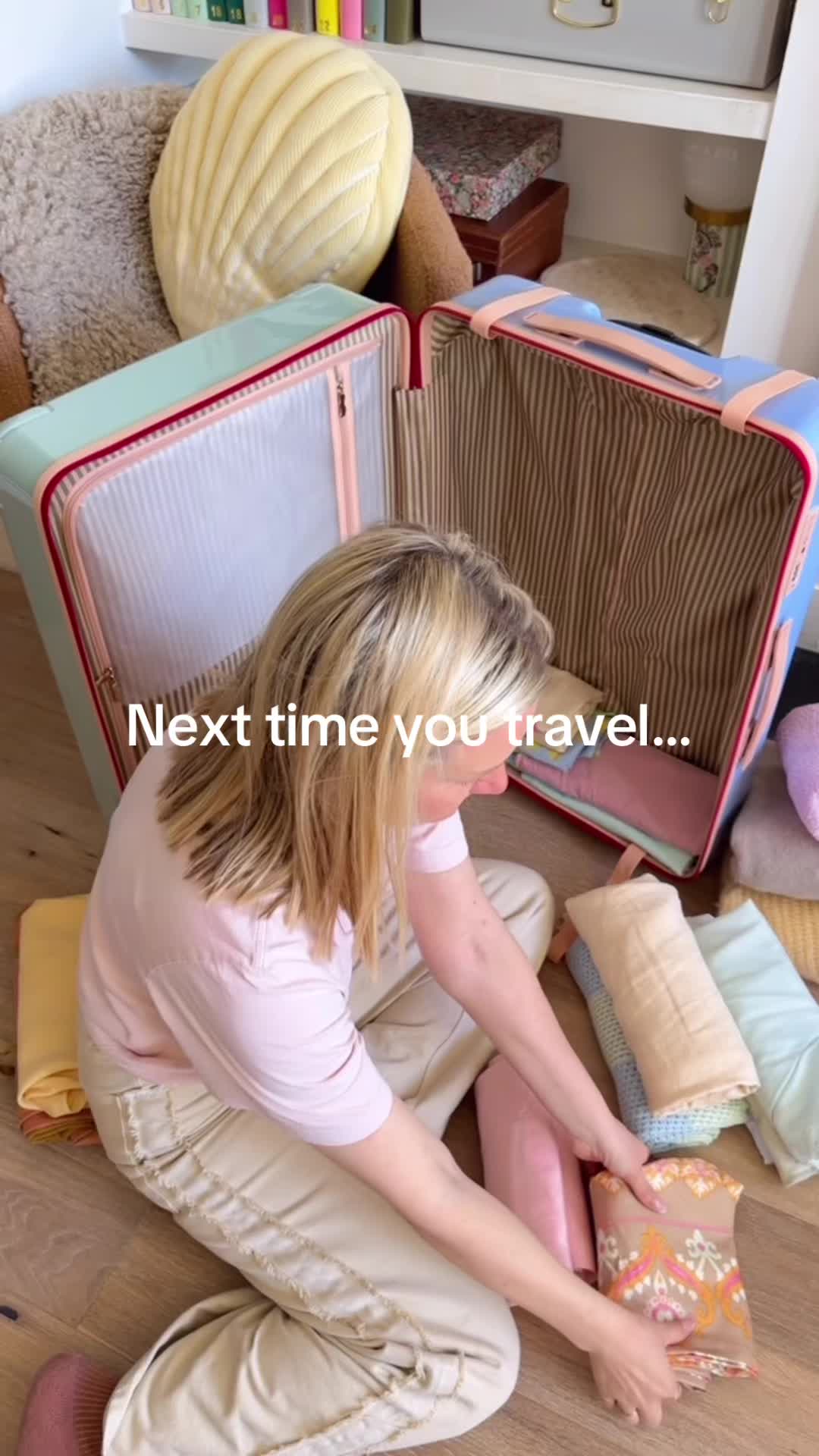
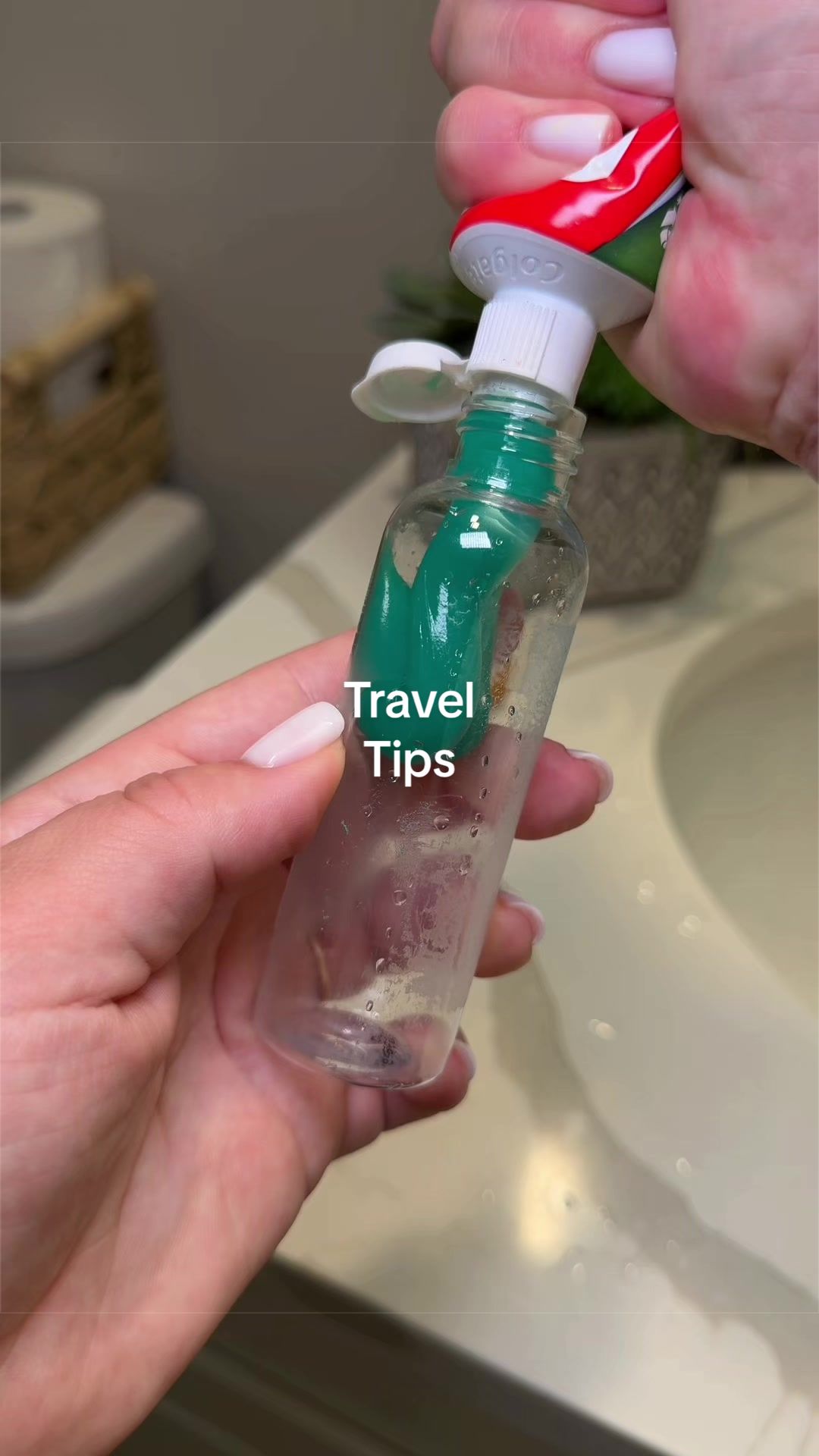
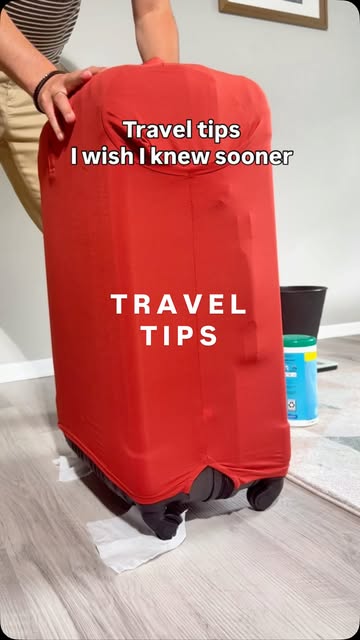
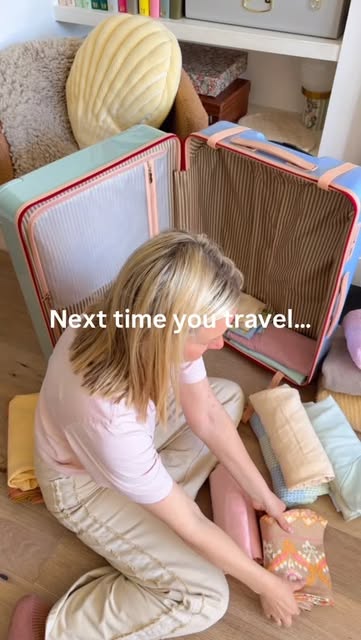
Packing hack videos dominate the mid-tier and breakout performers alike, and their success is almost entirely format-driven. The visual logic of 'here is a chaotic suitcase, here is the organized result' is inherently satisfying and works without sound, making it highly replayable and scroll-stopping on muted feeds. The most effective versions add a layer of emotional relatability, positioning the creator as someone who personally struggled with the problem, which makes the solution feel earned rather than instructional.
Structure: Problem Agitation Before the Payoff
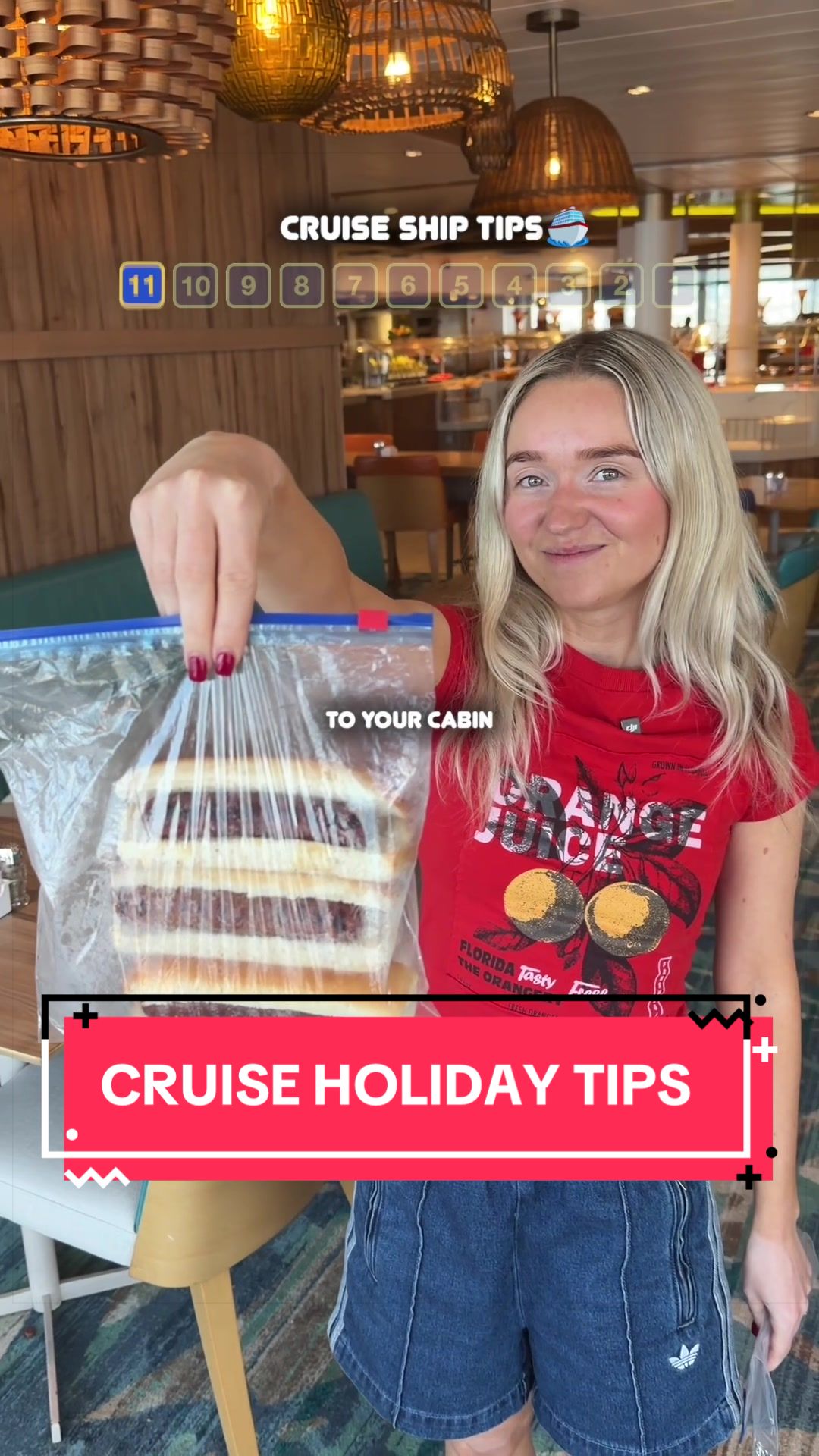
Top-performing travel tips videos rarely open with the tip itself. Instead, they open with the problem, the lost charger, the cramped economy seat, the chaotic buffet line, and let it breathe for two to three seconds before pivoting to the solution. This structure mirrors classic direct-response copywriting and is especially effective in travel because the audience has near-universal lived experience with the frustrations being described. The agitation phase creates buy-in so the payoff lands with genuine relief rather than passive interest.
Topic Clusters: What Subjects Consistently Win
Across the top performers, four topic clusters appear repeatedly: flight comfort and sleep on long-haul routes, airport navigation and security efficiency, packing organization and luggage hacks, and money-saving strategies tied to bookings or upgrades. The common thread is that every winning topic addresses a universal pain point with a non-obvious solution. Videos that win on evergreen topics, such as hotel TV USB charging or carry-on organization, do so because the tip is genuinely unknown to most viewers, not because the topic itself is new or trendy.
Analysis generated by Reelyze from 20 top-performing travel tips videos.